The apparel and accessories industry has largely decided fur is out. The conversation around what we wear is getting a lot more complicated.
Steven Kolb probably didn’t expect a protest over wool to end his 20-year run at the Council of Fashion Designers of America.
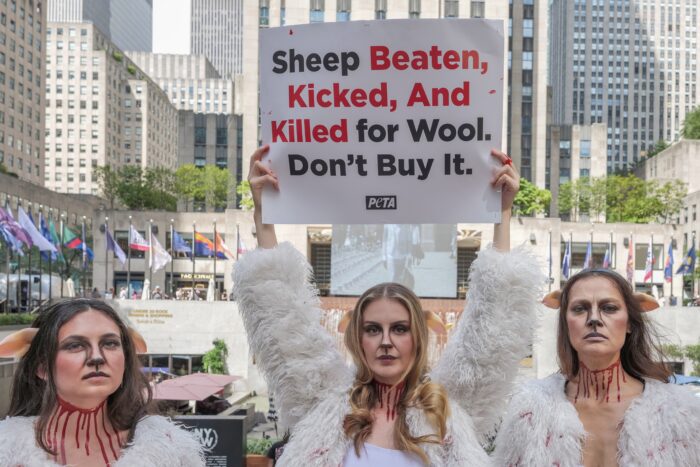
But during the COS show at New York Fashion Week on Sept. 13, two PETA protesters made their way onto the runway. Kolb intervened, physically restraining the protesters in an incident captured on video. He later apologized, was placed on leave and resigned as president and CEO of the CFDA on Sept. 18.
Four days later, Milan Fashion Week 2026 kicked off its Sept. 22-28 run in a city already having its own conversation about animals and fashion.
This spring, Camera Nazionale della Moda Italiana, the organization behind Milan Fashion Week, issued voluntary guidelines asking designers not to show clothing, accessories or other items made with animal fur beginning with the September 2026 shows.
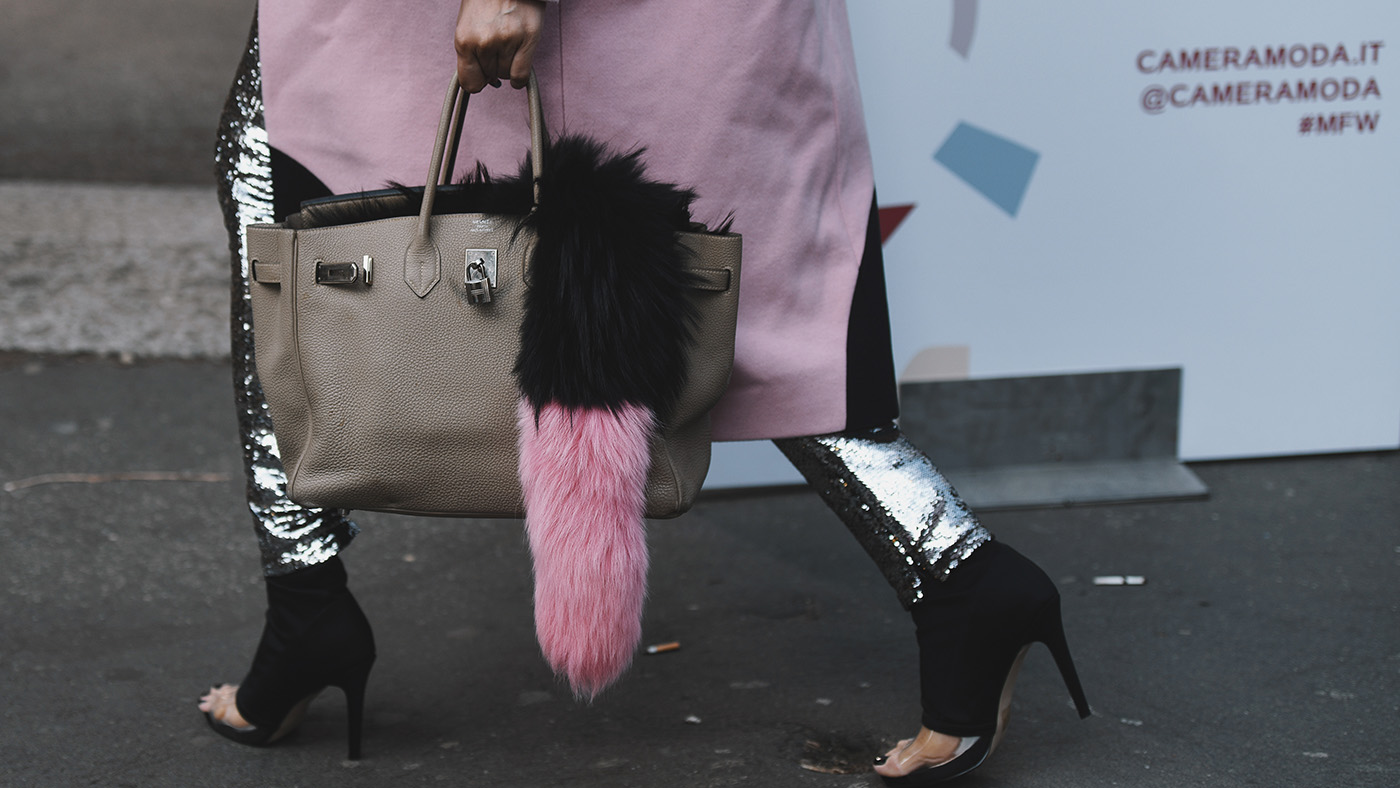
That notion would have sounded far more radical not so long ago. Fur was once practically synonymous with luxury, particularly in Milan. Fendi began as a Roman fur and leather house in 1925. Gucci’s history is rooted in leather goods. Prada started with trunks, handbags and travel accessories. For generations, the material’s rarity and the skill required to work with it were part of what made something luxurious in the first place.
But the argument has moved beyond mink coats and leather loafers. The PETA protest that ultimately led to Kolb’s resignation wasn’t about fur or leather or slaughtering an animal for the sake of fashion. It was about wool.
Wool isn’t exactly a fringe material that fashion can quietly remove from a runway and hope nobody notices. Just a couple of hours from Milan sits Biella, Italy’s wool capital and a global center for cashmere production, which we highlighted in the inaugural issue of STNDRDS. Generations of textile makers there have turned raw fibers into fabrics used by some of fashion’s most prestigious houses.
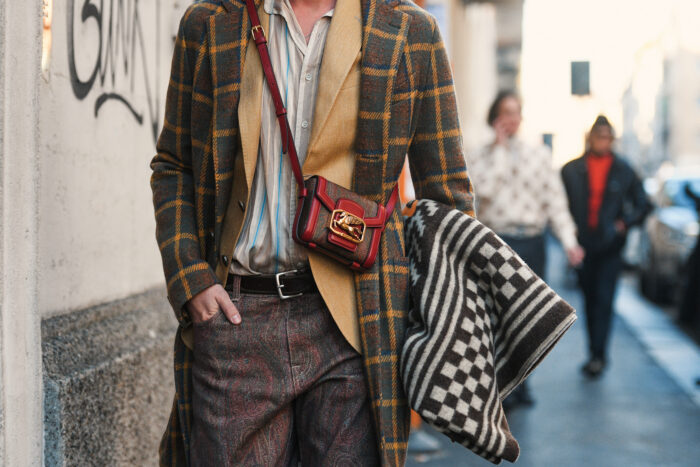
We’re talking about cashmere sweaters, beautifully tailored suits and the winter coat you buy precisely because you expect to keep it for 20 years. These aren’t pieces most of us associate with disposable fashion.
However, PETA argues that wool production is cruel and wants fashion to stop using it. Others in the industry are working toward traceable wool, regenerative farming and stronger animal-welfare standards rather than abandoning the material altogether.
And wool isn’t the only material PETA is gunning for. Feathers, shearling, silk and exotic skins are on the list too. On the opening day of Milan Fashion Week, PETA protesters dressed as alligators turned up in Piazza del Duomo to protest the use of materials sourced from animals.
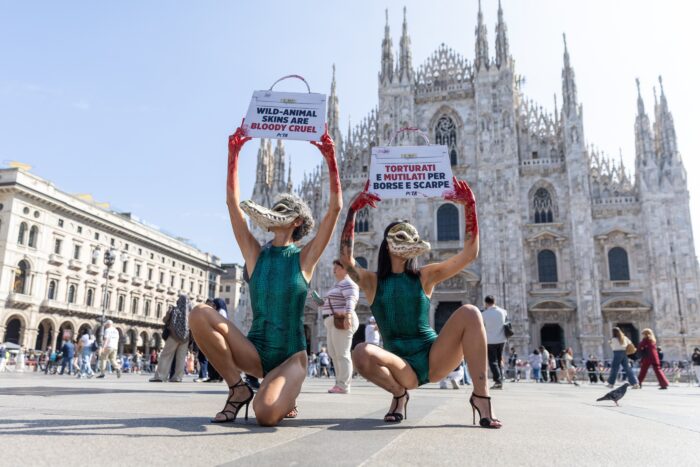
People dressed as alligators in front of the Duomo are going to get attention. That’s the point.
Once you get past the costumes, though, fashion faces a legitimate problem. If more animal-derived materials become unacceptable, what are the alternatives?
Plastic certainly isn’t the answer. Many faux leathers and other synthetic fabrics are petroleum-based. They may spare an animal, but that doesn’t necessarily make them environmentally safe. A cheaply made plastic handbag destined for a landfill isn’t automatically more ethical than a leather bag someone carries for 30 years.
Newer materials are being developed from mushrooms, grapes, apples, cactus and other plants. Some are promising, while others still rely on plastics or coatings to make them durable enough to function like leather. None has yet made calfskin, cashmere or wool obsolete in the luxury market.
And there’s a bit of irony in the timing of this whole brouhaha. Just weeks after the former CFDA CEO’s confrontation with PETA protesters over wool, the CFDA will take its annual Americans in Paris program to Paris Fashion Week. Among this year’s Fashion Fund initiatives is a Material Innovation Challenge with Humane World for Animals, asking emerging designers to work with bio-based textiles as the organization pushes the industry toward alternatives to animal-derived materials.
While Kolb was physically removing protesters from a runway, the organization he led for two decades was already helping young designers figure out what fashion might use instead.
Maybe that’s the more interesting thing to watch as the fashion crowd moves from Milan to Paris.
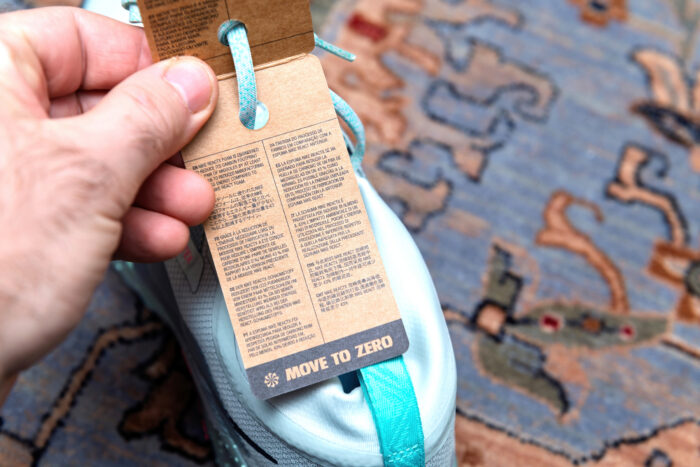
There will be plenty of talk about silhouettes, colors, bags, shoes and whatever item someone decides we’ll all desperately need six months from now. But maybe we should direct our attention to the labels: what these clothes are actually made of; whether designers are finding materials that can stand up to the ones luxury has relied on for generations; and whether they’re changing how those materials are sourced.
Even the most promising of those alternatives faces one more hurdle after the runway. Someone has to want to wear it.