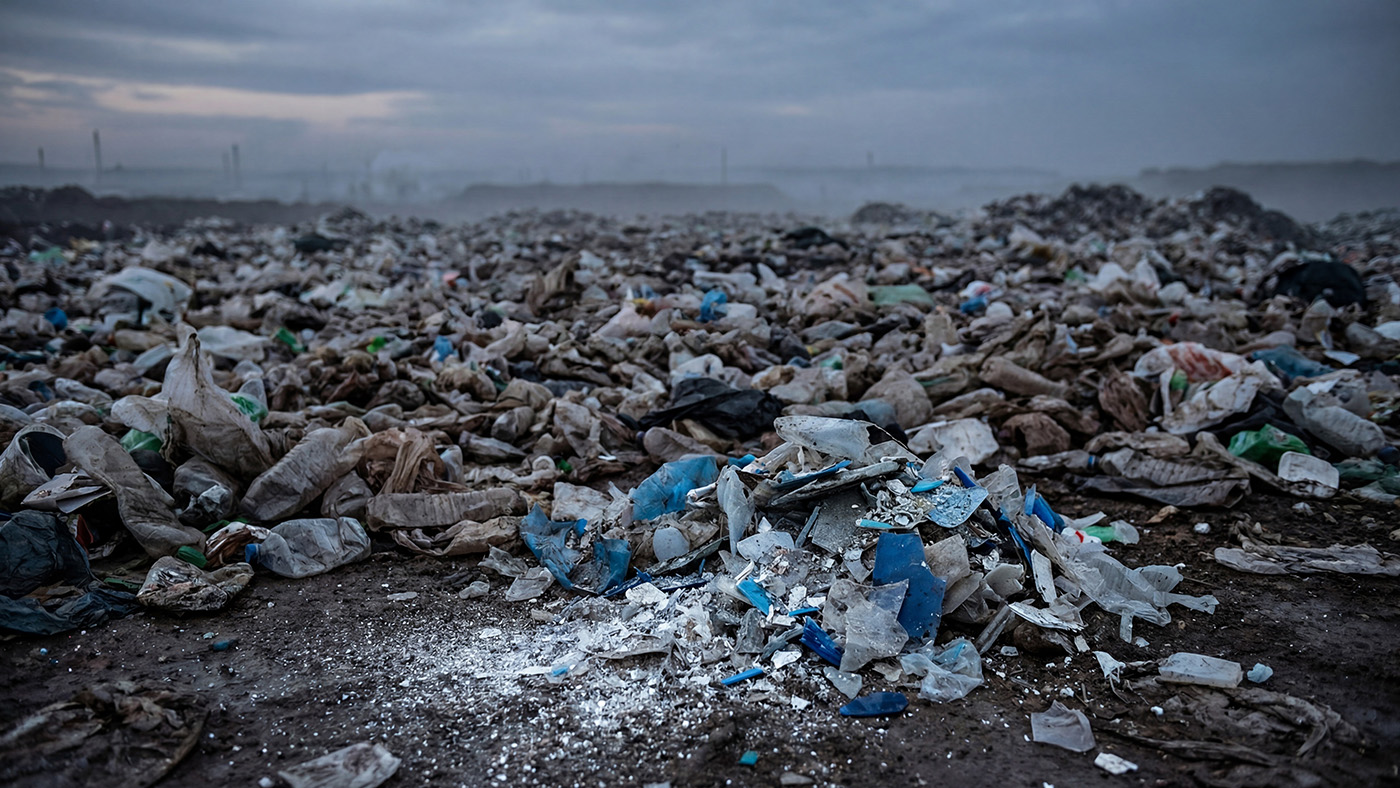
My plastic-free lifestyle is going great, thanks for asking. Please send help.
I blame Tim, my personal Doomsday RSS feed. Tim reads medical studies recreationally just so he can enjoy informing me of the many ways I’ve been poisoning myself with fun since childhood. Last year, he started me on microplastics.
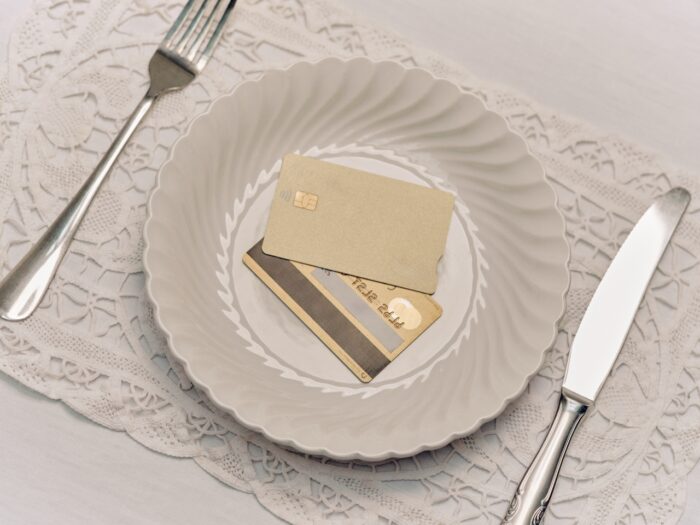
“You know, 77% of us have plastic in our blood, 90% have it in our lungs, and the average human eats a credit card’s worth of plastic every week,” Tim said, cornering me at a barbecue.
Meanwhile, I blissfully ate corn off a Styrofoam plate, feeling smug because I’m a vegetarian who will probably outlive him.
He wasn’t done.
“A 2024 New England Journal of Medicine study found that people with microplastics in their arteries are 4.5 times more likely to have a heart attack.”
Fantastic, Tim. So what should we do about it? Well, because I’m me … everything.
Down another rabbit hole I disappeared, replacing our chipped, decade-old nonstick pans—the ones YouTube guys in Hawaiian shirts call “slow-release poison grenades”—with ceramic cookware that costs four times as much, lasts a quarter as long, and comes with instructions like “Never use high heat,” “Never use metal utensils,” and “Never experience joy again.”
The Final Plastic Straw
Then came what my wife and daughter now refer to as the “Great Plastic Purge of 2025.” I exiled every plastic container, plate, cup and straw from our apartment and replaced them with stainless steel and silicone “nice tries.” Because nothing says refreshing beverage like nearly taking a tooth out with a steel straw because you didn’t aim right.
When I swapped our Sonicare brush heads for nonplastic versions—with bamboo bristles jammed into unvarnished driftwood—my daughter informed me that forcing her to use a toothbrush with a brown top that doesn’t match the white bottom was child abuse.
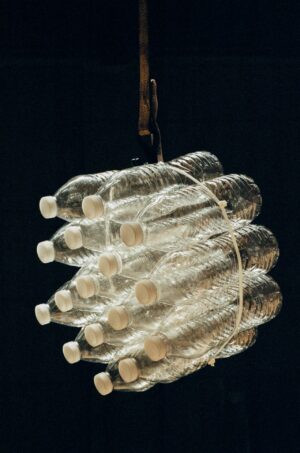
But I was proud. We were detoxed. We were pure. Then Tim and his wife came over for dinner.
“Nice steel straws,” he said. “You do realize the water you’re drinking through them comes from plastic delivery bottles.”
Dammit, Tim.
We used to have a reverse osmosis system, but our current apartment complex won’t allow tenants to install them. And according to Tim—and a 2025 Journal of Hazardous Materials I checked—people who drink truck-delivered water ingest an additional 90,000 microplastic particles per year.
Glass bottle delivery? Not a thing. I know because I called every single water supplier in my zip code. When I got to the bottom of my list, some laughed because I had already called their other business names earlier.
So I dropped $650 on a Brio countertop reverse osmosis system from Costco … and kept dropping. Because my family drinks water like a midsized law firm, the three filters died inside three months and cost $300 to replace every six months. But at least we’re finally plastic-free, right?
Not quite, according to Tim.
So you no longer eat out of cans anymore?” he asked.
All cans are lined with plastic. It prevents the food from corroding the aluminum or tin.
Did you know this? I didn’t. Tim did.
Cracked Polystyrene Man
Noticing plastic is a lot like eating potato chips; once you start, you can’t stop. Even when you realize that the actual inside of a Lay’s bag is plastic with an aluminum coating so thin that it can’t protect microplastics from leaching into the chips.
For instance, I use a plastic neti bottle to rinse my sinuses. No problem, I thought. Easy fix—a $29 silicone rubber neti bottle on Amazon. Yes, silicone is technically still a polymer, but at least it’s the kind that doesn’t break down into microplastics unless you look at it funny.
Then one morning at 3 a.m., a thought slapped me awake: WHERE DO I GET MY DISTILLED WATER?!
I spent $1,500 dollars on a countertop reverse osmosis, Caraway cookware, “knife”-straws and pioneer era fence-post toothbrushes while still injecting microplastics from store-bought distilled water jugs directly into my own brain.
One minute after I discovered that countertop water distillers existed, I bought one for $300 on Amazon.
And of course it had to be a more expensive stainless steel model because most of them are made with— say it with me, people—plastic!

So now we own two countertop appliances that cool and heat water, switching pumps and compressors on and off all night, taking up valuable counter real estate and adding $50-$75 a month to our electric bill.
Once this quitting plastic frenzy bankrupts me, maybe I can reconfigure these things to Walter White up some Blue Sky crystal to afford my new stainless steel lifestyle.
“What else?” I demanded recently, as I scanned our apartment for more polymers. “What else is made mostly of plastic and needs to go right now?”
My wife didn’t even look up from her phone.
“You,” she said.