As apps and plastic become the norm, traditional keys continue to reign at hotels old and new.
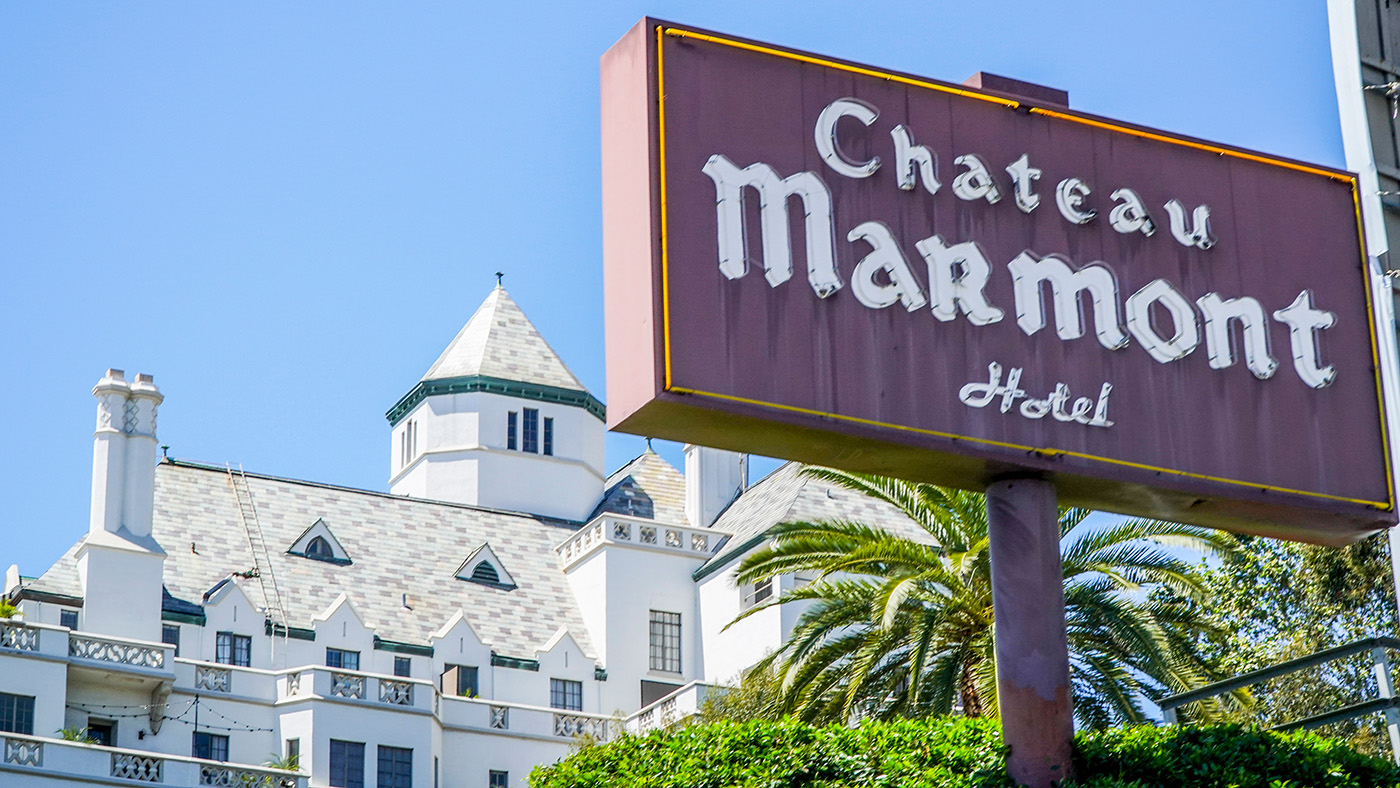
The privacy policy at Chateau Marmont in West Hollywood, California, is famously strict. Tactful staff, photography bans and an understanding that its A-list guests—from Marilyn Monroe to Leonardo DiCaprio—have always valued discretion. But one item is an instant “tell” that you’re a guest: the room key’s tasseled keychain. Crafted in Italy from polished brass and twisted green silk, it’s a tribute to Old Hollywood glamour and the ultimate #IYKYK symbol.
But Chateau Marmont is a standout in an industry dominated by plastic key cards. First enabled by magstripe technology in the 1980s then RFID in the 2000s, they’re now being overshadowed by smartphones and apps. While there are practical reasons for digital locks for both hoteliers and guests—portability, security, remote access—a real hotel key still holds weight.
There’s something almost sensual about checking into a 500-year-old Italian palazzo or remote Maldives resort and jiggling a key in the lock versus tapping a card. Something tactile that keeps you rapt in an Old World fantasy or deep in a digital detox, far from a life of screens and emails. Also, a brass key can not be demagnetize or hacked from halfway across the world.
Found Objects
While many older properties have simply kept their original metal keys, some newer hotels have opted for them from the get-go to evoke a real sense of place. At remote Canadian design mecca Fogo Island Inn, the fobs were crafted with the same care as every object in the three-Michelin-key property.
The inn, launched in 2013 by Newfoundland entrepreneur Zita Cobb and Norway-based architect Todd Saunders, is a conversation between the traditional craftspeople of the tiny Atlantic island with a population of 2,125 and some of the world’s most prestigious designers. It’s an ethos that can be found in everything from a fishing-rope chandelier fashioned by Frank Tjepkema to Elaine Fortin’s Punt boat chairs.
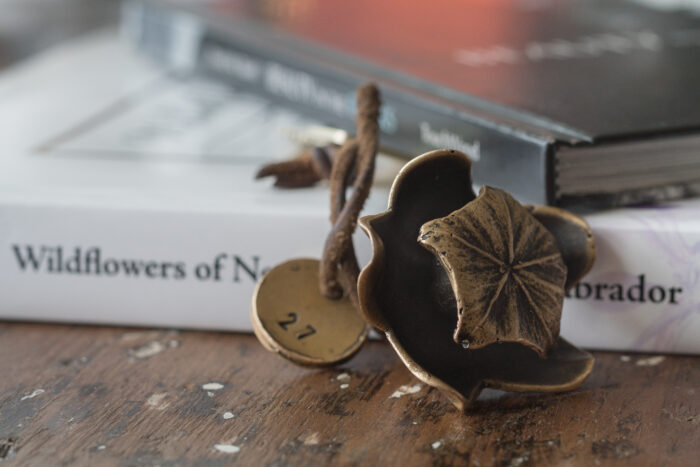
The Fogo Island Inn’s keychains were the brainchild of Dutch industrial designer Chris Kabel, who based them on objects he found while exploring Fogo’s rocky shores and fishermen’s sheds. The result: 29 pieces cast in solid bronze and affixed to keys with leather, including a snow-crab claw, spent shotgun shell and a spearhead fashioned by the native Beothuk tribe.
“Together they become the chapters of a book about the present and past daily life on the island and its rough nature,” Kabel said. Arranged behind the front desk, they are as much a work of art as a functional display.
The Personal Touch
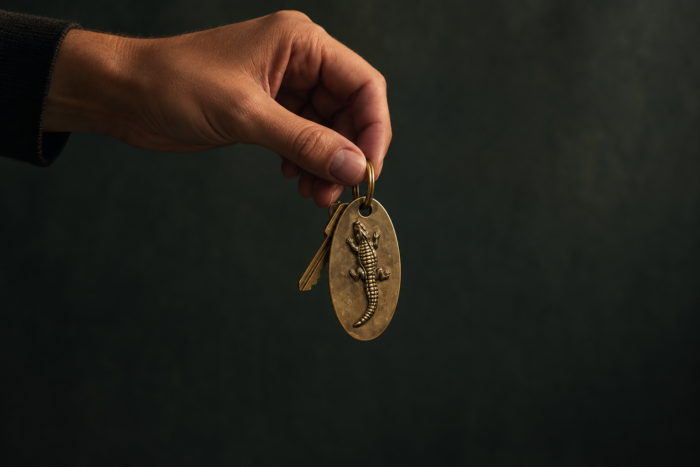
Bronze is also the material of choice at The Chloe hotel in New Orleans, which opened in 2020 in a restored 19th-century Uptown mansion. There, the grooved keychains sport the hotel’s alligator logo and come care of local metal artist Jeff Deegan.
At Knipoch House Hotel in the Scottish Highlands, laser-engraved wooden objects—including trays, turndown signs and key fobs—dot the interiors. The pieces were made by Auchrannie Wood & Wool, a local family-run business, and are a nod to rustic features like oak-paneled walls and open fireplaces retained in a property dating back to the 1500s.
The deceptively simple nature of these accessories speaks to their hidden strength in the world of hospitality, encouraging interactions with staff and fostering loyalty. Consider what’s more likely to stick with you at checkout: handing over a key to the concierge and saying, “Farewell” or clicking a button on a TV screen. Most properties also recommend you leave your key at check-in when you head out for the day, an act that lets them touch base, offer bespoke recommendations and receive real-time feedback. Invaluable, even in a world of algorithms.
Rare Souvenirs
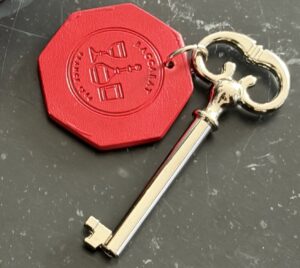
Want more proof of a real key’s aesthetic appeal? Some hotels even offer a faux version. At Baccarat Hotel New York, each room key is a bauble, while the red leather fob really opens the door.
If there’s one downside to real keys, it’s that their keychains are more likely to be “borrowed” by guests looking for a souvenir. Especially now that branded ashtrays are no longer standard, and maximalist handbag charms continue to trend. Both The Chloe and Chateau Marmont have a solution for that: Their keychains are available for purchase in their online stores.
You can also find a few famed Chateau Marmont tassels for sale on sites like eBay and Grailed, often going for double the price of the new ones. After all, the Chateau’s online shop can only offer an iconic object—some people will pay a premium for antiques infused with real guests’ memories.