Representation of People and Produce Wins Big This Year
Holding back tears at the awards podium on June 13, Chef Adrian Torres, the executive chef at Maximo restaurant in Texas, delivered a powerful speech recounting his journey from being the son of immigrants and a Deferred Action for Childhood Arrivals program recipient to the winner of the 2026 James Beard Emerging Chef award.
“Even in moments of celebration, there are reminders that our journey is different,” Torres said from the stage, sharing that he and his family had to drive across the country to the awards ceremony at the Lyric Opera of Chicago instead of flying, due to immigration concerns.
“But tonight, I refuse to let fear be the headline,” he continued. “Tonight the headline is that a brown kid from the north side—raised by parents who sacrificed everything for the chance at a better life—is standing on this stage accepting one of the highest honors in this industry.”
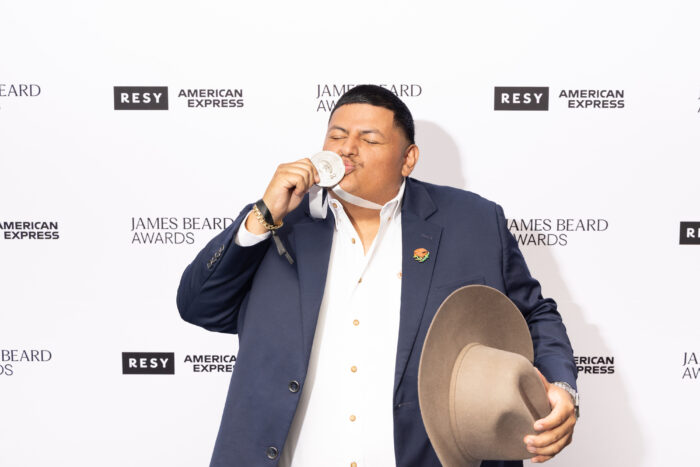
Torres then transitioned into speaking Spanish to thank his family, members of whom had told him as a child never to speak about his immigration journey. He removed the cowboy hat from his head and finished speaking to thunderous applause and a standing ovation.
The annual James Beard Awards honor the finest professionals across the country who work in the culinary world, including chefs, bakers, sommeliers, mixologists, restaurateurs, authors and journalists.
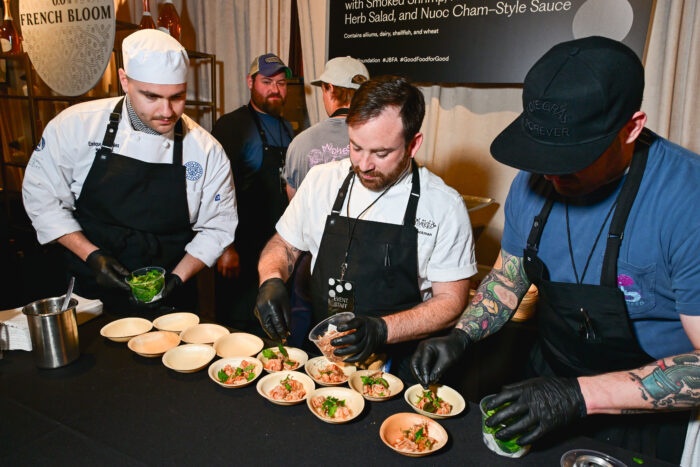
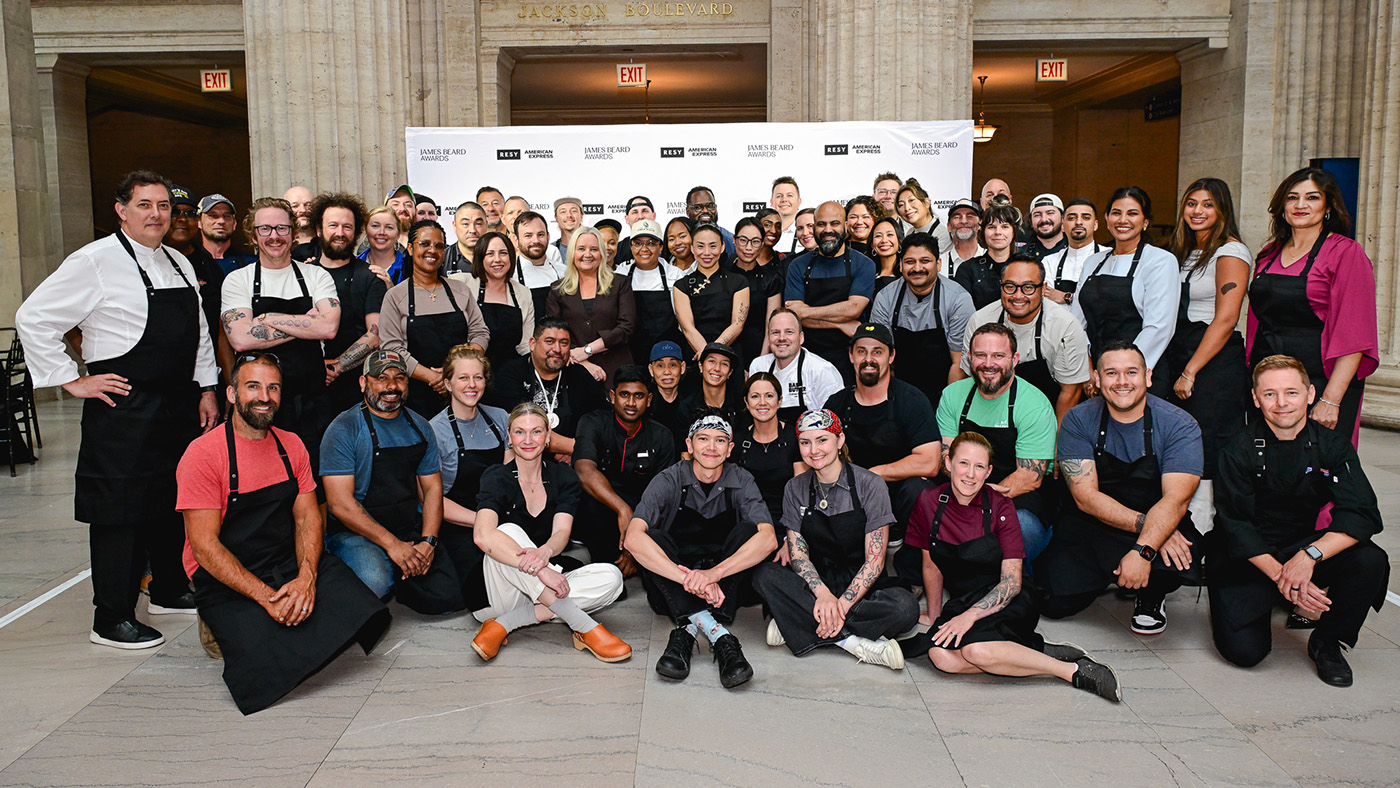
This year is the 40th anniversary of the awards, and Torres’ speech highlighted a key change in the approach of the awards and the culinary industry at large. Representation of every ethnicity and every chef—from small Indian street-food carts to white-tablecloth fine dining restaurants—is now reflected in the expansive tastes of the American diner.
“When you look at the types of places nominated this year versus five years ago, we now have way more representation of cuisines that are not Western cooking,” Chef Andrew Zimmern, this year’s host of the awards, told STNDRDS from the red carpet.
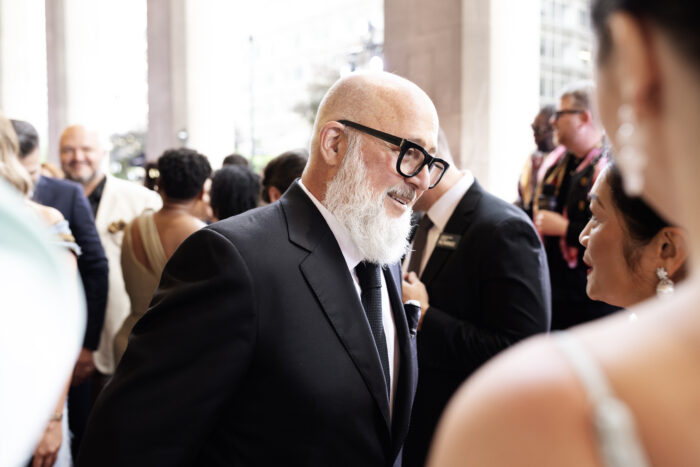
“We now have a lot of smaller operators and a lot of different types of operators. There’s an ice cream place in New Hampshire that’s nominated. There was no place for that three years ago. Those kinds of places are really important, and a great scoop shop is just as relevant as a three-star Michelin restaurant.”
Washington, D.C.-based Chef Suresh Sundas, owner of Tapori and nominee for Best Chef: Mid-Atlantic, believes this transition is becoming the foundation of American cuisine. This year is the first time he was nominated—“just someone from the mountains of Nepal,” as he described himself. He called it “simply amazing” that American food traditions allow for depth of cultural expansion, embracing all chefs and all cuisines.
Echoing Torres’ speech later that evening, Molly Irani, Outstanding Restaurateur nominee and co-founder of the Chai Pani Restaurant Group—a 2022 James Beard Award winner—in Asheville, North Carolina, agreed wholeheartedly with Sundas.
“This is an immigrant story at the end of the day. It’s so representative of the food in America,” Irani said, excited by the mix of cultures.
Diversity in produce took the stage in a big way at the awards this year as well. Chef Sean Sherman, a three-time James Beard winner and the founder of Indigenous Food Lab and The Sioux Chef, noted that the 2026 awards highlighted more Indigenous food flavors and ingredients, providing a sense of growing representation for hyperlocal ingredients themselves.
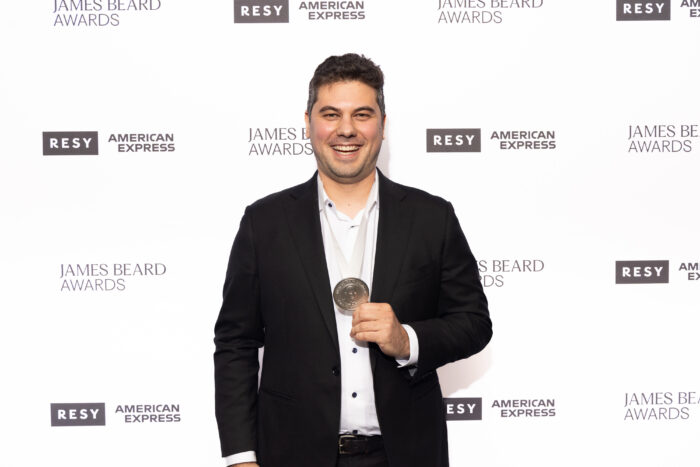
Feld, the Chicago restaurant helmed by Chef Jacob Potashnick, who won the Best Chef: Great Lakes award this year, exemplifies the trend that Sherman is seeing. Potashnick calls Feld a “relationship to table” restaurant, closely partnering with local farmers and producers.
“Feld is a very produce-driven restaurant, and I think we’re seeing a lot of nominees that are driven by the product as opposed to technique,” he said. “Chefs are using as much local produce as possible. That’s a general movement you’re seeing in the industry right now, and it’s reflected in the nominees this year.”
Ultimately, whether it’s through produce or people, we can expect the James Beard Awards to continue to change and evolve in honoring diversity throughout the country. And even though we may see less chefs winning that look like Chicago’s Rick Bayless or Britain’s Gordon Ramsay, the winners are truly an apt reflection of the morphing American culinary landscape itself.
Chef Bayless summed it up well in a red carpet interview with STNDRDS: “People are really interested in a breadth of cuisine made by a whole host of people, not just by white guys in New York.”