The $60 Loaf of Bread Is Here
Would you pay $60 for bread?
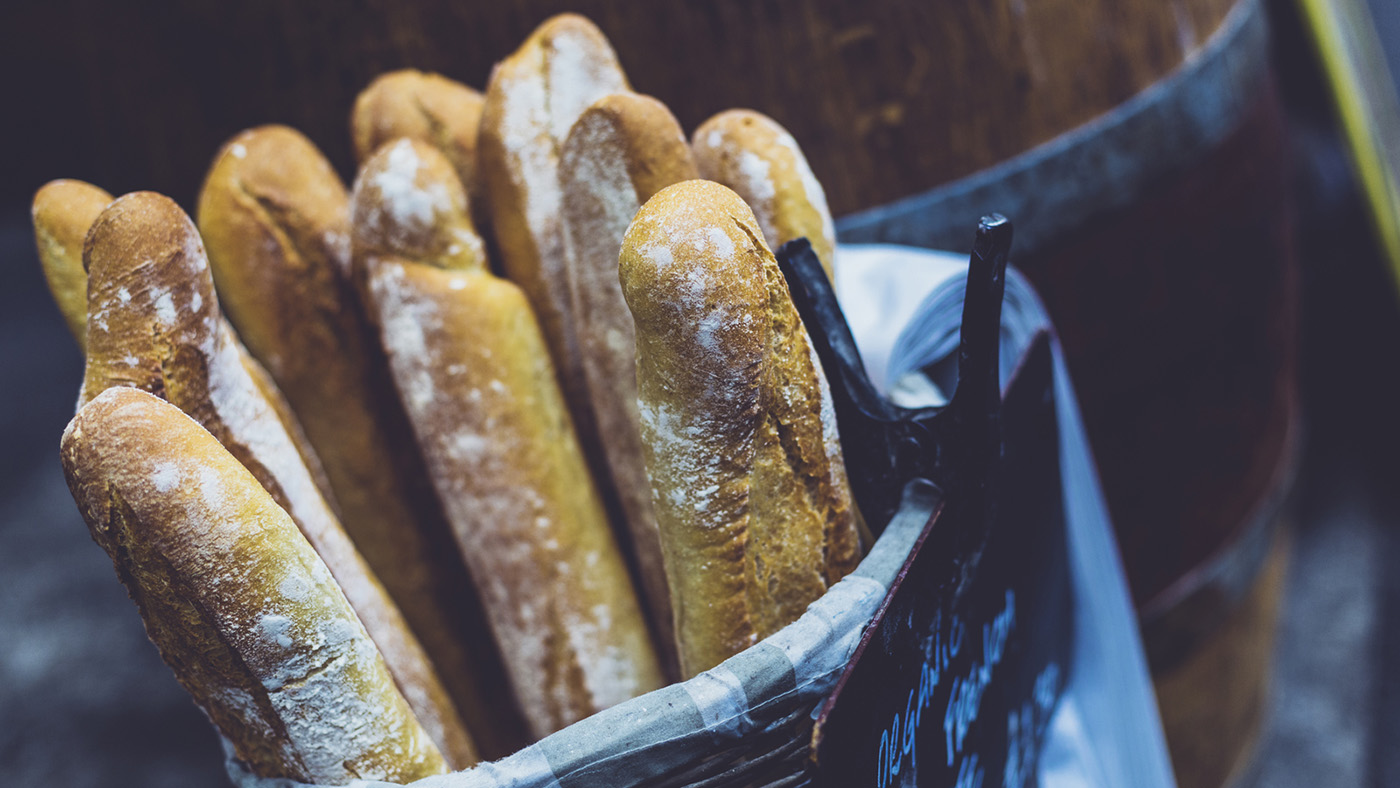
New York City bakery Rye may have gone viral for the price of its sourdough, but the owner stands behind his lofty loaf, and critics are toasting its merits and saying your dough will be well-spent on this sourdough—the yeast starter is a family heirloom.
As the cost of living spikes—up 3.4% year over year as of August, and the average price of diesel fuel now surpasses $6 a gallon—more Americans than ever are considering alternative options when faced with the wild markups plaguing every aspect of American life.
“I have more anxiety about shopping than I ever have before,” said Laura Tilton, a New York-based entrepreneur in the midst of building a new home-care app named Roostead. “I’m really paying attention to prices and trying to understand origins, especially without a functioning FDA.
“We are dealing with a double whammy: Price is forcing us to shop differently, but the lack of trust in the food supply is making me question going for cheaper alternatives.”
THE REALITY
Consumers en masse are changing how and what they shop for. Some swaps are easy: They’re opting for home-filtered over bottled water and cutting back on all forms of nonessentials.
And yet, as the stock market recently hit new highs, many are simply gritting their teeth and shelling out Champagne and caviar bucks on heirloom tomatoes and ground chuck.
“It’s the basics that are rising in price,” said Alan Henderson, a born-and-raised Tampa candidate for mayor in 2027. “Eggs, chicken, produce and lately—beef! I was genuinely shocked the last time I looked at beef prices. I’ve always been a deal hunter, and I’m pretty savvy with coupons, but lately that’s gone from casual hobby to actual necessity.”
How did we get here? And how are people mentally and financially adjusting to the prospect of spending 33% more to eat at home since 2019, according to government figures?
THE CAUSE
Arif Gasilov, a partner at the sustainability consultancy Gasilov Group, said that a complex cocktail of forces are causing a rise in prices, but they are primarily rooted in the price of fertilizer.

“Urea, an important fertilizer component, has increased in price significantly since February,” he said. “Corn is the U.S. crop that requires the most fertilizer, and we see it everywhere in the modern food chains. Corn and its derivatives, such as high fructose corn syrup, are in nearly every aspect of an American’s diet; like dairy, sweeteners, most processed foods, soda and more. And corn is also used to feed cattle so indirectly meat as well.”
Because every item in the supply chain requires refrigeration, which in turn needs electricity, all of the costs are compounded from the farm and truck to the warehouse and store, he added.
“It’s creating a ripple effect because, as a simple example, if electricity went up 10%, the prices in the supply chain aren’t going to move up by a static 10% across the board at each step,” Gasilov continued. “The first step, the farm, is going to say, “the electricity went up 10%, let me increase my prices by 12%.”
And the ripple effect continues, culminating in a wave of new expenses for consumers.
THE SOLUTION(S)
We can all say “no thanks” to a $60 loaf. But … we all need to eat. Home and restaurant chefs are getting creative to satisfy appetites and wallets.

According to Robin Shreeves, whose bread and butter is writing about and editing food articles for Serious Eats and AllRecipes, the price of her favorite staple—tomatoes—has gone bananas. “I have walked away in shock multiple times at the farmers market,” she said. “Prices are up across the board, but tomato prices are insane. I’m definitely planting tomatoes next year in my garden.”
For Melissa L. Smith, founder of Vermont’s farm-to-table wedding and event venue Maison Plas, meat is an increasingly rare personal option. “I’m buying a lot more canned fish in bulk,” she said. “And I find myself bartering with other vendors at the farmers market. I’ll trade my bone broth for great bread. Both take a lot of time and effort, but I don’t have time to make bread—and the bakers love my broth but don’t have time to make it.”
Smith also invested in a commercial grade freeze dryer several months ago, and she barters space in the freezer for the products some of her neighboring farmers want to freeze dry. “They come in and borrow my freeze dryer for their peaches and wheat; and then in exchange for the space, they give me a certain amount,” Smith said. “I never imagined I’d be freeze drying garlic and herbs, but it is saving us so much money.”
She is also considering getting chickens next year for her farm despite her phobia of them. “With everything going on, I am coming to terms with the fact that I will just have to deal,” she said.
Lydia Mawad, an Amsterdam, New York-based doctor and mother of three, got tired of forking over double digits on her family’s weekly egg budget, so she did invest in chickens recently. “They’re really cute, and you can’t beat the quality of eggs from free-range chickens,” she said.

Zac Denham + Clark Gale
Zac Denham, co-founding partner of Bocage Champagne Bar and Standard Fare in Saratoga Springs, New York, shared that from a restaurateur’s perspective, the price changes can turn a humble, affordable dish—like heirloom tomato salad—into a millionaire’s feast.
“We’re seeing noticeable swings in pricing week to week on the exact same products,” Denham said. “In peak season, for example, I might pay $40 for a 10-pound case of heirloom tomatoes one week and $50 or $60 the next. On already thin restaurant margins, that adds up quickly.”
At the same time, vendors are raising delivery minimums, adding fuel surcharges and charging separate delivery fees. They’ve gone from working with four to nine vendors just to ensure they find the products they rely on at the best price.
Both restaurant chefs and home cooks are fighting nausea when they get to the checkout counter.
Just a few years ago it would have been hard to imagine a time when relatively prosperous Americans would be relying on gardens and domesticated animals for their groceries—but here we are. And as Mawad said, sometimes the homegrown options are better than anything you can find in the store anyway.