The Elegant, Unforgettable Wines of the Santa Cruz Mountains
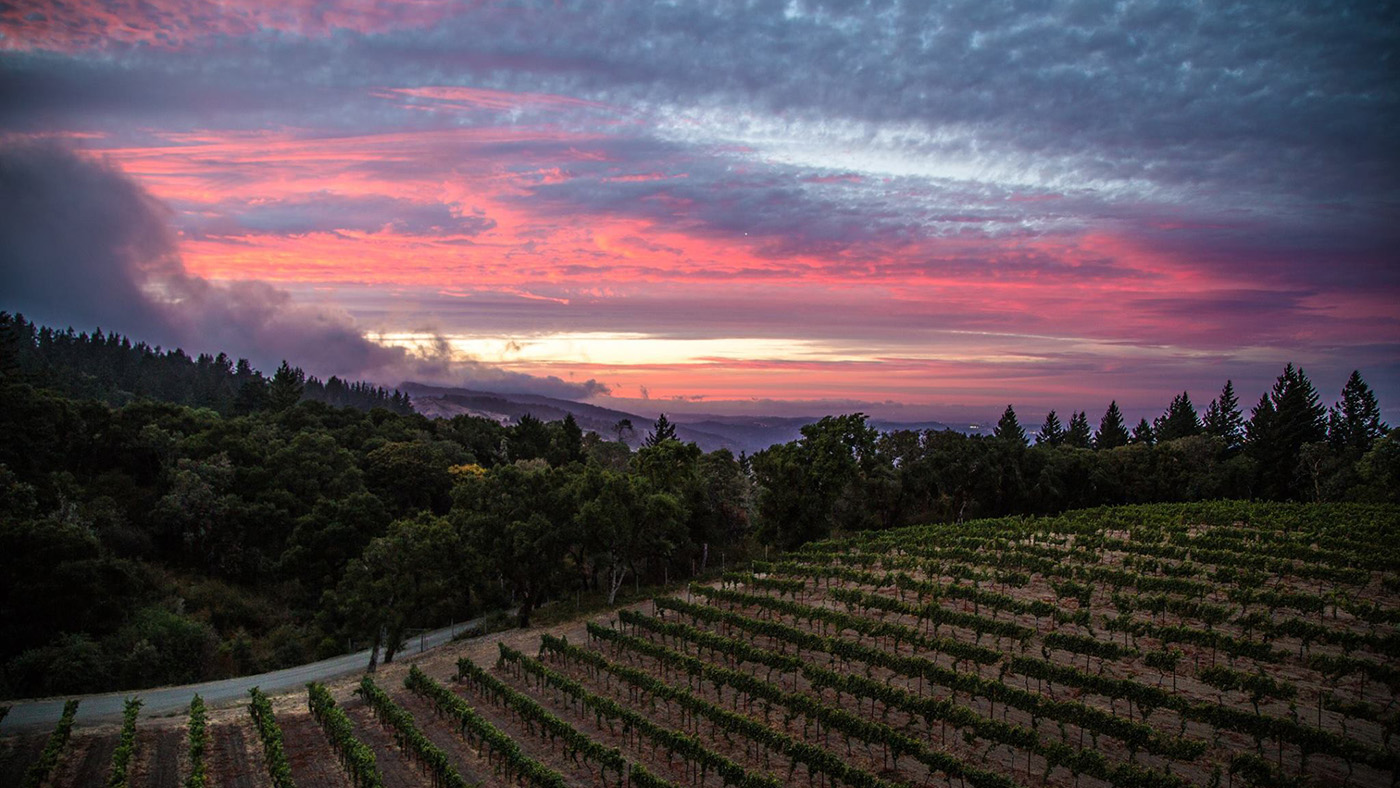
Drive west from California’s Silicon Valley, and the landscape changes quickly. Iconic South Bay landmarks, namely Apple Park and Googleplex, give way to gently ascending lush, green hillsides. The temperature drops, the air turns damp, and the road begins to reveal the redwood forest and rugged spine of the Santa Cruz Mountains. And tucked within them, vineyards.
They cling to steep ridgelines, scattered between towering trees and skinny mountain road and perched above the rolling blanket of Pacific fog below. It’s a dramatic setting—one that immediately explains why these mountain wines feel different from those of California north of the Golden Gate Bridge.
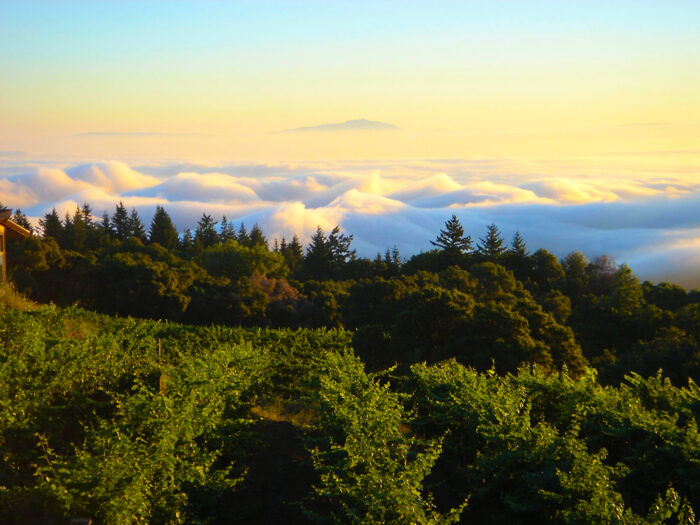
Established in 1982, the Santa Cruz Mountains American Viticultural Area was defined by topography. Elevations span 400 to over 2,600 feet, with boundaries following the fog line. Cool marine air pushes inland each afternoon, fog spilling through valleys and stopping below ridges where vineyards bask in the sun. This blend of altitude and ocean influence lets grapes ripen slowly, keeping vibrant acidity. Wine lovers know these factors give Santa Cruz Mountains wines a unique energy you won’t find anywhere else.
But this story isn’t new; it’s just not widely known. Long before Napa Valley became famous for wine, the Santa Cruz Mountains were already trying out European grape varieties. In the late 1800s, Paul Masson brought pinot noir and chardonnay cuttings from Burgundy, France, to the hills above Saratoga, California. These early plantings, and later pioneers like Martin Ray, proved California’s coastal mountains could produce elegant, age-worthy wines.
Today, fewer than 2,000 vineyard acres are scattered across steep slopes. Mechanization is often impossible, so vineyards are usually farmed by hand.
The geology here is hard to miss. Beneath the vines lies a mix of shale, sandstone, limestone and ancient seabed that reveals the region’s tectonic past. The Santa Cruz Mountains straddle the legendary San Andreas Fault, where the Pacific and North American plates grind past each other, giving the land an untamed, restless energy.
Combined, these elements create a landscape where bold ambitions thrive. For those adventurous enough to grow grapes in this rugged, varied terrain, the possibilities are endless. The mountains are a patchwork of microclimates—elevation, slope, and ocean proximity all create subtle but significant differences that winemakers study and showcase in their wines—from precise, mineral-driven chardonnay and elegant, riveting pinot noir, to powerful, age-worthy cabernet sauvignon.
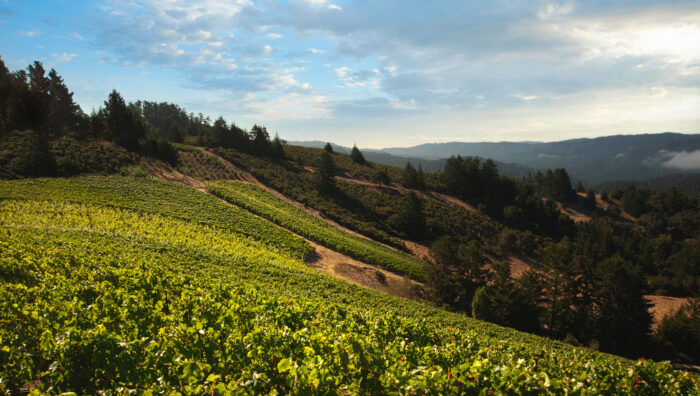
At Rhys Vineyards, you can actually see the fault in the land. A ravine runs through the property, showing where the tectonic plates slowly shift beneath the vineyards.
Winemaker Jeff Brinkman describes the region’s complexity through a vivid metaphor, comparing its geological layers to a layer cake. The mountains contain extraordinary variation in soil types and geological ages—sometimes even within neighboring vineyards. In practical terms, that means vines planted only a few hundred yards apart can produce strikingly different wines.

High above Silicon Valley sits Ridge Vineyards, one of California’s most revered sites. On Monte Bello Ridge, rare limestone soils from an ancient seabed give Ridge’s main wine, Monte Bello—a cabernet blend—its structure and aging ability, earning worldwide praise. Elevation, a cool climate and long seasons give these wines firm acidity and aging potential—proof California mountain cabernet can rival the world’s best.
Another defining voice is Kathryn Kennedy Winery, a small estate above Silicon Valley. Founded in the 1970s by Kathryn Kennedy, who planted cabernet sauvignon by hand, the winery defied the region’s fading reputation. She focused on estate-grown cabernet, made in small amounts and shaped by the land. Today, her son Marty Mathis continues that approach, crafting structured, age-worthy wines.
“Having been born here and having farmed the same ground for over 40 years, I developed a deep love of this small piece of land. I recognize the visual beauty and especially the rare wine that was historically produced from this estate,” Mathis said.
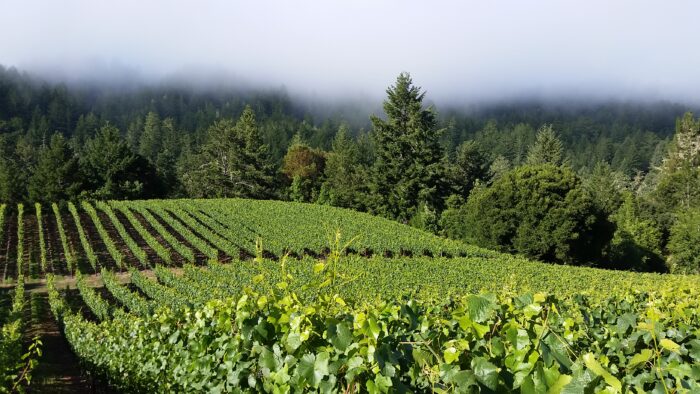
At Mindego Ridge, which sits on shale-covered slopes about eight miles from the Pacific, this approach is key. The small estate grows pinot noir and chardonnay in a cool, ocean-influenced climate shaped by altitude and sea air. Winemaker Ehren Jordan notes that great wines start with great vineyards and careful farming.
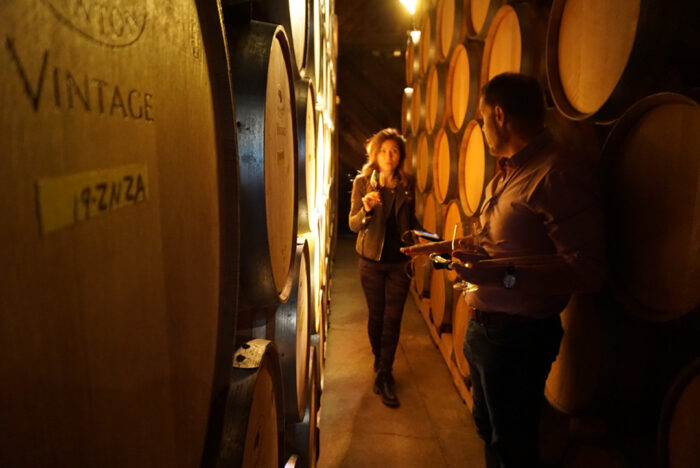
Unlike Napa or Sonoma, the Santa Cruz Mountains lack big estates or large tasting rooms. Most wineries are small, often requiring advance booking. Yet the area is becoming easier to explore, offering a sense of discovery for those seeking authenticity. Between fog and sunlit ridges, California reveals one of its most interesting mountain wine stories.
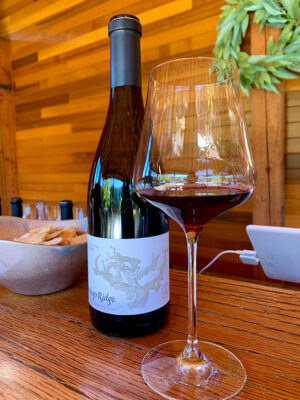
For those who seek it out, every glass carries a unique convergence of nature and craft. Where mountains meet the ocean, the Santa Cruz Mountains reveal wines as unforgettable as the landscape itself. For a true taste of the region, seek out Ridge Vineyards’ Monte Bello, an iconic cabernet blend, or the elegant terroir-driven pinot noir from Mindego Ridge.
For chardonnay lovers, try the wines from Mount Eden Vineyards, known for its minerality and balance. These producers offer the perfect entryway to the beauty of Santa Cruz Mountains. Though just above the world of technology, here you can unplug, savor a glass, and discover a side of California wine that feels worlds away.