A Long-Trusted Korean Remedy Has the Science To Back It Up—Maybe
We’ve all been there. A casual night out turns into an extra round of shots or another glass of wine, followed by misery the morning after. A hangover can be tough to recover from, with headaches, fatigue and a few too many trips to the bathroom. You want to have fun and be social but could this have been prevented altogether?
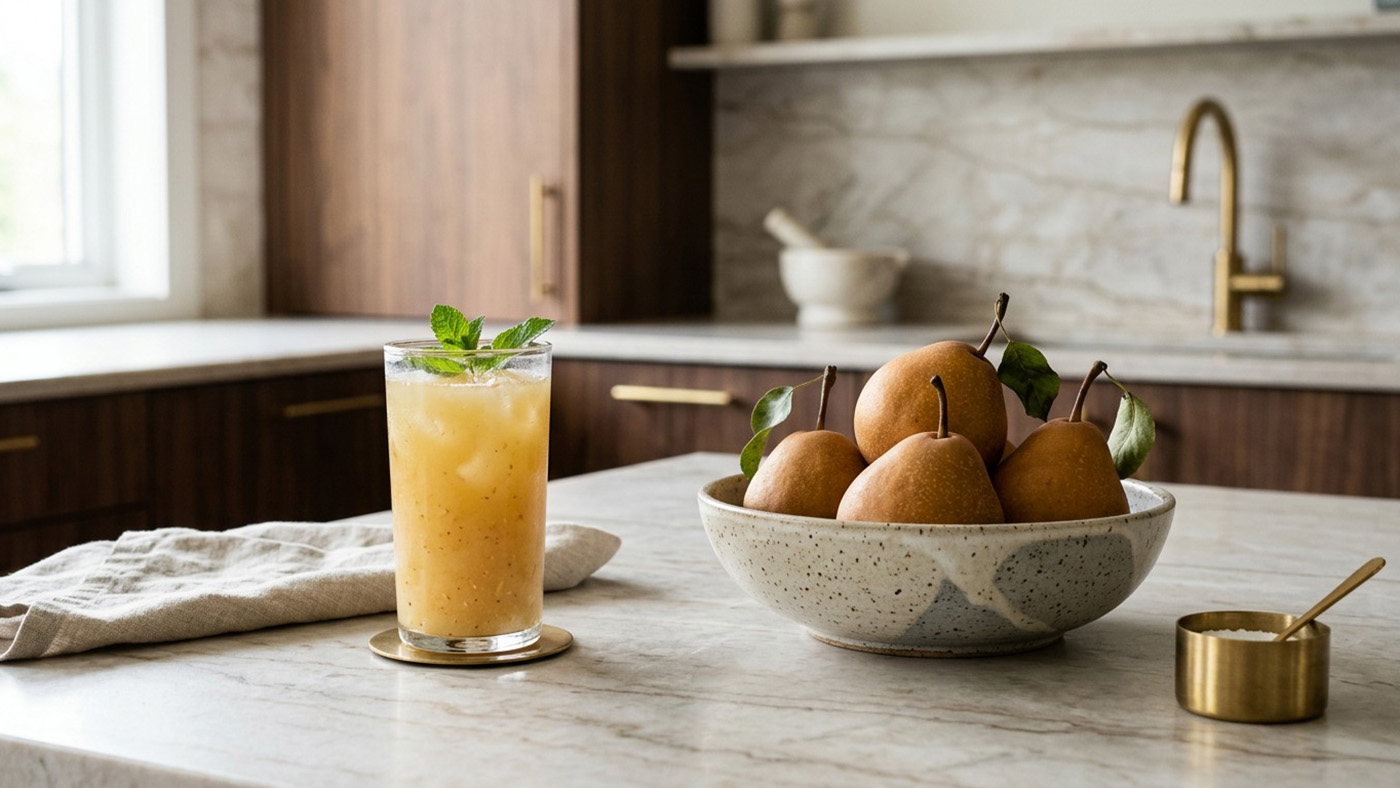
According to Asian lore, yes. There’s an ongoing belief in South Korea that drinking the juice of the Korean pear—commonly referred to as an Asian pear in the U.S.—can fend off hangovers. But here’s the catch: You have to consume the juice, ideally a cup, before you drink alcohol. It doesn’t work nearly as well afterward.
The evidence is mostly anecdotal, dating back centuries as a traditional folk remedy. Historically, it was considered a secret tonic, reserved for royalty and other nobles. Over the years, consumption spread throughout all corners and classes of South Korea, tapping into the culture’s affinity for health, wellness and natural supplements.
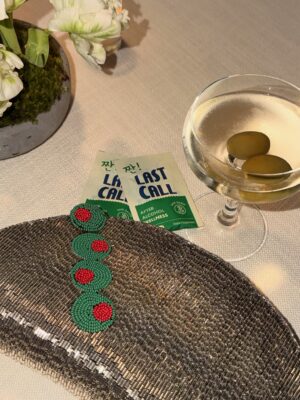
“Korea has the world’s most developed hangover recovery culture because drinking is built into how people socialize and do business,” according to Teddy Kim, co-founder of Last Call wellness aid capsules, referencing his Korean background. “That’s produced a whole category of products: hangover soups, DHM-based recovery drinks and things like pear juice.”
Some companies like Seoul Tonic and Gush have marketed their own Korean pear juice products, capitalizing on a 2013 clinical trial that analyzed the effects in an admittedly small sample of 14 “healthy young men.”
It found that participants who consumed spirits 30 minutes after drinking Korean pear juice had more favorable blood and urine specimens than those given a placebo. Researchers noted that those who consumed the pear juice had better results on tests of concentration, memory, and sensitivity to light and sound. According to the study, the pear juice also reduced blood alcohol levels.
“The main culprit behind hangovers is acetaldehyde, the toxic compound your body produces while breaking down alcohol,” Kim explained. “Dehydration, inflammation and disrupted sleep all flow downstream from that.”
Pear juice harvested from the shingo pear, a premium Korean pear variety, may help lower concentrations of acetaldehyde by supporting the body’s alcohol-metabolizing enzymes—alcohol dehydrogenase and aldehyde dehydrogenase. Its high water content can promote hydration, although evidence that it directly reduces inflammation remains limited.
Aside from specialty products, pear juice is available in low-cost boxes or cans in Korean grocery stores. You can also blend, juice or puree your own juice from the fresh fruit you have at home. But is it really the best remedy for a hangover?
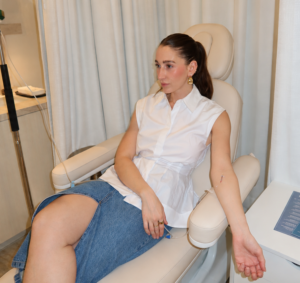
“I would say an IV is going to be way more hydrating than pear juice from a medical standpoint, because it delivers fluids and electrolytes directly into the bloodstream, bypassing the digestive system,” said Kelley Nemiro, founder of Raeya Wellness, a women’s wellness center in Las Vegas. “Pear juice, while helpful in some cases, works differently. It hydrates through normal digestion and absorption, which is slower.”
Nemiro even offers clients a “Hangover IV” that includes hydration support along with ingredients like B-complex vitamins, vitamin C, magnesium and other physician-guided components to help restore energy and overall balance.
“With an IV, hydration happens rapidly and efficiently, especially if someone is nauseated or vomiting and cannot keep fluids down,” she added.
Kim’s hangover solution is his Last Call product, which contains Dihydromyricetin, or DHM, a plant extract that helps the body break down toxic byproducts.
“It supports the ADH/ALDH enzyme pathway that clears alcohol and acetaldehyde, so your body can process it all faster,” he said. “It also modulates the brain’s GABA receptors.”
Alcohol amplifies GABA—a naturally occurring amino acid and neurotransmitter in the central nervous system—to calm a drinking person down. So the brain compensates by dialing that system back. When the alcohol clears, the person is overexcited and less sedated, leading to anxiety, jitteriness and broken sleep—or what some now call “hangxiety.”
“Pear juice does nothing for GABA, so it leaves the anxiety-and-sleep half of the hangover completely untouched,” Kim said before pointing out that pear juice also has a lot of sugar.
But Kim isn’t totally sour on the sweetness of pear juice.
“When it comes to pear juice for hangovers, I’m not convinced yet,” he said. “But Asian pears do taste amazing and more people should try the real fruit just for that!”