On May 24, 1976, the late Steven Spurrier, an English wine merchant, educator and a respected authority in the wine world, organized a blind tasting at his wine shop and school, the Académie du Vin in Paris. He set six top California wines alongside benchmark Bordeaux and white Burgundy wines to be evaluated by a panel of leading French judges.
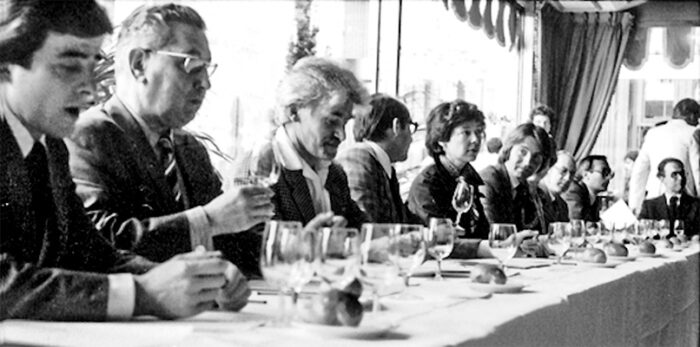
The wines were tasted without full identification, and the results challenged long-held assumptions in the room. When the scores were tallied, California rose to the top in both categories. The red winner was Stag’s Leap Wine Cellars; the white winner was Chateau Montelena. The tasting became known as the Judgment of Paris and marked a turning point in how the world understood fine wine—no longer defined exclusively by Europe, but open to interpretation from beyond it.
The reaction wasn’t one of immediate celebration. There was likely a moment of silence—a kind of collective recalibration—as the results challenged the story everyone in the room anticipated hearing. Expectations about what “great chardonnay” should taste like had been set elsewhere, and this wine spoke in a completely different register. The French judges responded by insisting that the California wines would not age well and that the French wines would win if tasted again in 30 years.

But Chateau Montelena’s philosophy had always been deliberately clear from the start.
“We’ve always known we don’t make wine in Burgundy; we make wine in Napa Valley,” said Matt Crafton, president and winemaker of the iconic, historic winery.
Thinking back to the 1970s, CEO Bo Barrett recalls a Napa Valley still trying to understand itself.
“At Montelena, we were essentially starting from scratch. When my parents bought the property in 1972, it had been sitting dormant for decades,” he said. “The focus was on doing the hard work of replanting vineyards, restoring the winery and trying to make the best wine we could with what we had. There was a sense of experimentation but also a real humility.”
That humility may be part of why the wine still resonates 50 years later. It was simply communicating a “sense of place.”
“Now, that foundation is established. The challenge isn’t proving it anymore; it’s living up to it,” Barrett added.
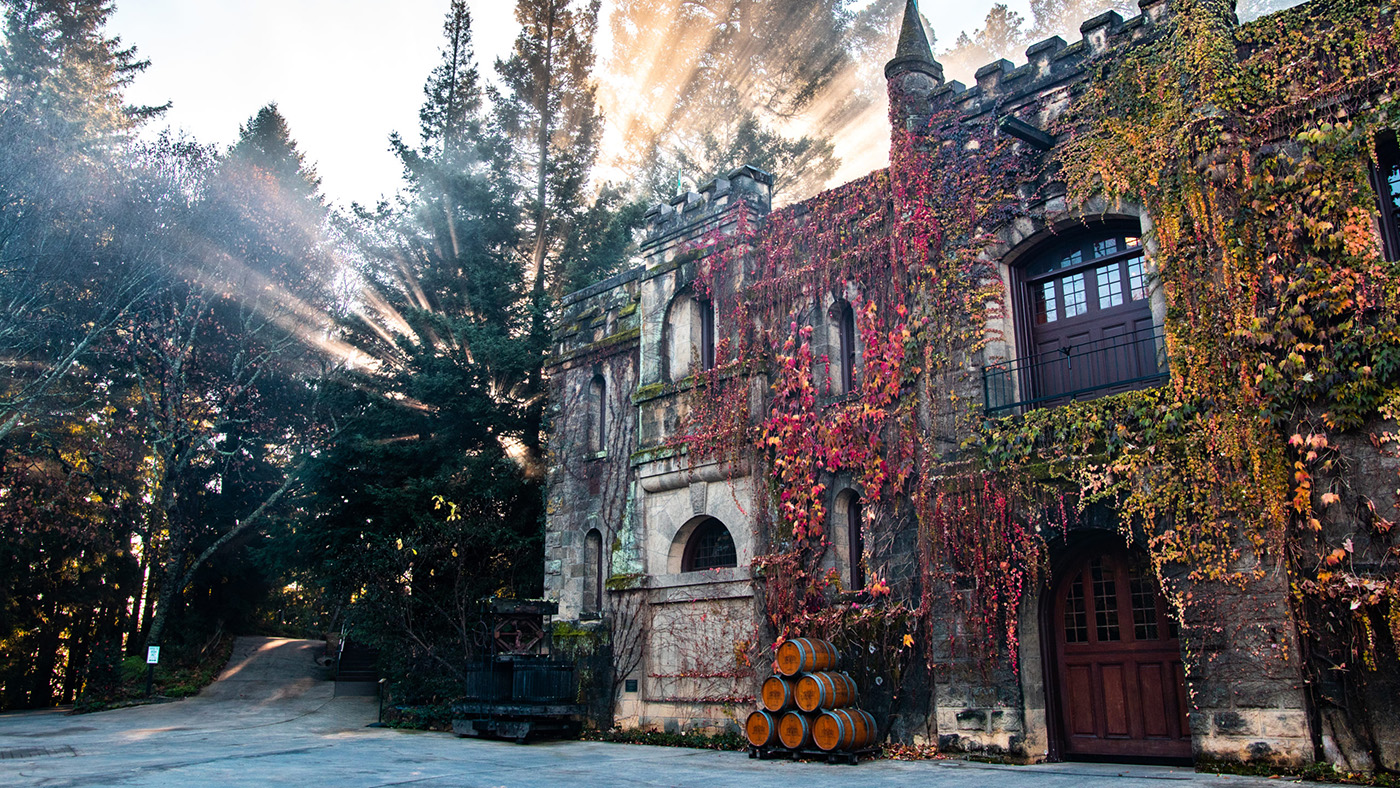
Today, Montelena celebrates the historic milestone with limited-edition bottlings, including the Blanc de Blanc crafted with chardonnay from the Muir-Hanna Vineyard, one of the three original sites that contributed to the 1973 vintage tasted in Paris.
“We’re not just making wine for today; we’re building a future where Chateau Montelena remains a symbol of quality and longevity for American wine,” said Crafton.
And perhaps that is why the Judgment of Paris still remains in conversation 50 years later. Not because it proved one region was better than another—but because it widened the conversation altogether.

Spurrier himself later reflected that the tasting “did more for the international world of wine” because it showed that lesser-known wines could stand beside benchmark bottles and still speak with authority when tasted blind. He often said that wine is communication, meaning it connects place, people and the person drinking it. Wine had a story to tell in a shared language, and the Judgment of Paris showed how discovery is always just around the corner.
And that remains the deeper legacy of the tasting.
The Judgment of Paris didn’t just crown a winner; it changed the course of wine history. What happened in 1976 opened doors for wines from all over the world, proving that greatness wasn’t limited to one region or tradition. Today, shelves and cellars are filled with bottles from places often overlooked. As we raise a glass, we’re reminded that great wines can come from anywhere—and that’s a legacy worth celebrating.