The Evolution of Turndown Service
The art of eavesdropping is highly underrated.
I‘m not advocating for extreme measures—like the time a celebrity journalist asked me to slide my phone under the bathroom stall occupied by Britney Spears at the opening of Palms Place. Yes, that actually happened. Nor am I suggesting you press your ear against a conference room door or hide behind ficus plants in hotel lobbies. But some of the most interesting conversations happen at the next table over when you‘re simply minding your own business.

I was reminded of this last week while having brunch on the patio at the Four Seasons Las Vegas. The table behind me had been discussing a variety of topics, and I found myself tuning in because of their unmistakable Dutch accents.
It’s what I miss most about the city I called home for nearly 20 years. For all of its reputation as a city of debauchery and excess, Las Vegas is one of the world‘s great melting pots. On any given day you can overhear conversations from London, Tokyo, Sydney, Paris and Stockholm before you‘ve finished your first cup of coffee. Trade shows, conventions and international travelers create a kind of accidental United Nations, often separated only by a few barstools and a shared happy hour menu.
It turns out the Dutch group was in town for Cisco Live, one of the dozens of conventions that had descended upon the city that week. Their conversation wandered from business, to travel, to Cirque du Soleil.
And then, somewhere between my chia yogurt and spinach frittata, they began debating turndown service. Not politics. Not the economy. Not whether Las Vegas has become wildly overpriced during convention season—spoiler alert, it has.
Turndown Service
The gentleman leading the discussion found the whole thing intrusive. “Why,” he wondered, “would anyone want hotel staff entering their room a second time after housekeeping had already been there?”

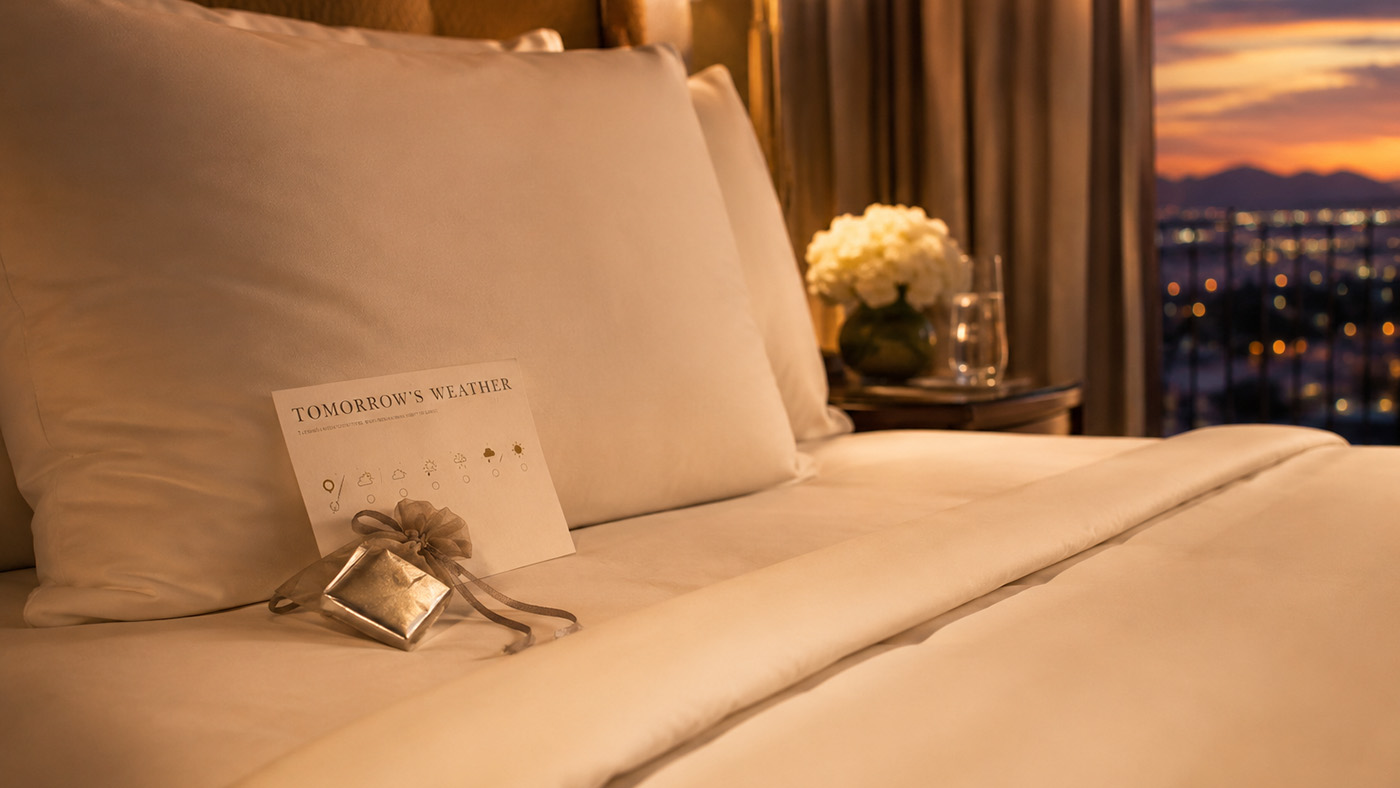
The married couple seated across from him seemed genuinely baffled by the argument. They loved turndown service. After a 14-hour day of meetings and convention halls, they looked forward to returning to a room prepared for the evening. Nobody had asked them to make a single decision about their room—shades drawn, slippers under the bed and a chocolate on the pillow. That, they argued, was the appeal—someone had simply taken care of it.
I was bemused by the debate and found myself contemplating the competing definitions of luxury while pondering the history of the ritual at the center of it all.
My research found that turndown service began as a practical evening routine. In the grand estates and royal residences of 18th-century Europe, servants prepared bedrooms for the night by drawing curtains, refreshing chambers and ensuring everything was in place before bedtime. Luxury hotels later adopted the practice, transforming a household task into a hallmark of hospitality. By the 20th century, it had evolved into a carefully orchestrated experience, complete with fresh towels, softened lighting, bedside treats and other thoughtful touches designed to make guests feel cared for.
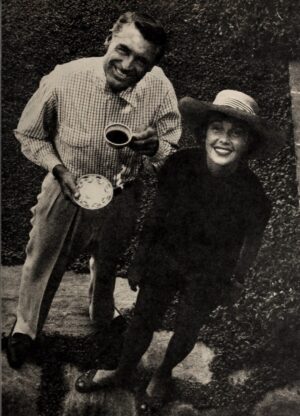
Cary Grant and Betsy Drake, 1959
Of all those touches, however, none became more closely associated with luxury than the simple act of placing a bespoke piece of chocolate on a pillow.
Like many great stories, the origins of the chocolate-on-the-pillow tradition are a bit hazy. According to hotel legend, it began in the 1950s when actor Cary Grant was staying at the Mayfair Hotel in St. Louis. As the story goes, Grant left a trail of chocolates leading from the sitting room to the bedroom, ending with a single chocolate resting on the pillow beside a love letter. The intended recipient, however, was not his wife, actress Betsy Drake.
A hotel manager reportedly witnessed the gesture, borrowed the idea and turned it into a guest amenity. Decades later, travelers around the world would come to associate a piece of chocolate on their pillow with luxury hospitality.
It‘s hard not to admire the rebranding. A romantic hotel tradition born from an alleged affair may be one of the greatest public-relations recoveries in hospitality history. How Vegas, I thought.
Yet perhaps the most interesting evolution of turndown service isn‘t whether guests accept it. It‘s how the world‘s best hotels have transformed it from a housekeeping task into an opportunity for storytelling.
For decades, turndown service followed a familiar pattern: draw the curtains, fluff the pillows and leave a chocolate on the bed. Today‘s luxury properties are increasingly using those few evening moments to create a deeper connection to place.
At Aman New York, turndown service is highly personalized. Guests receive curated gifts accompanied by story cards while subtle touches—such as a bookmark tucked into a book, or a sleep spray placed bedside—transform a routine service into something more thoughtful.
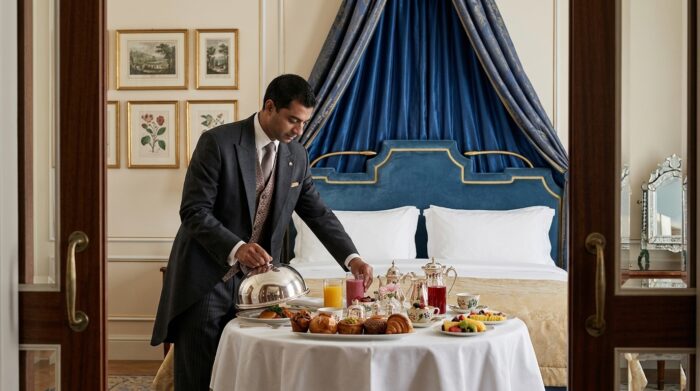
In London, The Lanesborough remains the city‘s only hotel to provide dedicated butler service for every guest room. Among its lesser-known offerings is a complimentary popcorn service. Guests can request sweet or savory varieties delivered directly to their room on a silver tray—a simple gesture elevated through presentation and attention to detail.
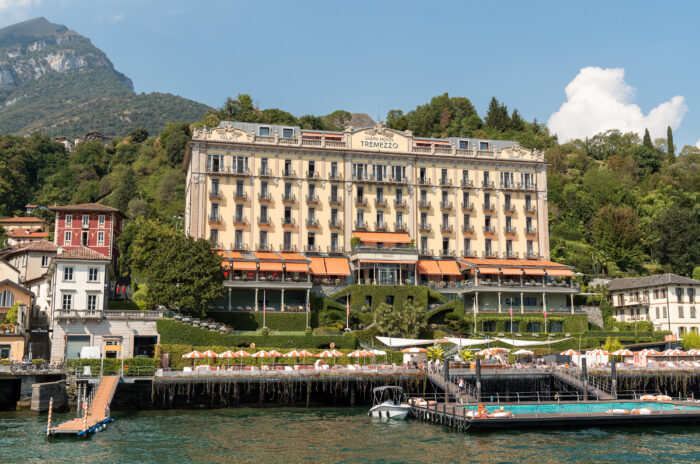
Some hotels lean even further into lore. At Grand Hotel Tremezzo, guests may discover copies of authentic love letters left on their pillows during turndown service. The letters were written by guests decades ago and later discovered hidden behind the walls of the historic property. What might have been a routine evening amenity instead becomes a glimpse into the hotel‘s own history and the generations of travelers who passed through before you.
The most memorable luxury experiences are rarely the most extravagant. More often they are the ones that make us feel connected—to a destination, a culture or a story larger than ourselves.
Listening to the debate behind me, I realized the Dutch gentleman and the married couple weren‘t actually arguing about turndown service. He valued privacy; they valued thoughtfulness. Both were searching for the same thing: a hotel that understood them.
Perhaps that‘s why the chocolate-on-the-pillow tradition has endured for so long. The chocolate was never really the point. It was simply a small gesture that someone had thought about your return before you did.
And in an age of automation, self-check-in kiosks and digital room keys, that may be the rarest luxury of all. Attention, after all, is the real luxury. Chocolate is just a bonus.