Making “Heads” and “Tails” of Why Some Hangovers Are Worse Than Others
Ever wonder why one brand of whiskey is more likely to give you a hangover than another? There’s an explanation for that, and we’ve got the science to back it up.
The art of distillation is nearly as old as civilization itself, dating back to the Mesopotamian era, but modern whiskey—or whisky, if it’s from Scotland, Canada or Japan—as we understand it took shape in Ireland during the 1400s. It was a hands-on process, using copper pot stills to transform small batches of malted barley into alcohol.
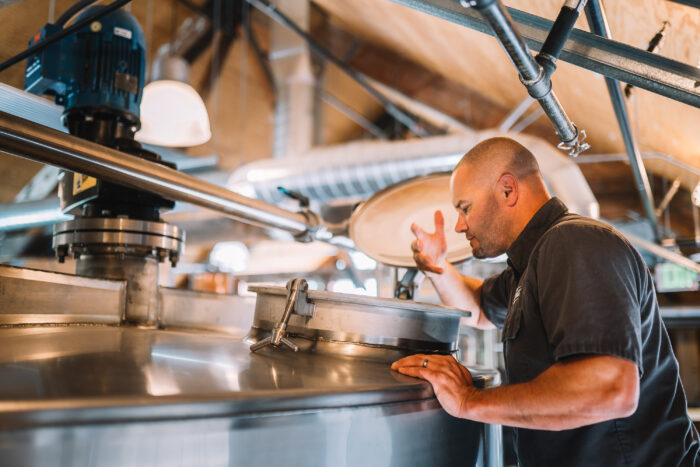
As whiskey grew in popularity and developed its regional characteristics, the column still was designed as a more economic and efficient method of production. It was great for distilling larger quantities at a quicker pace, but the spirits weren’t as flavorful and retained the more toxic elements of alcohol.
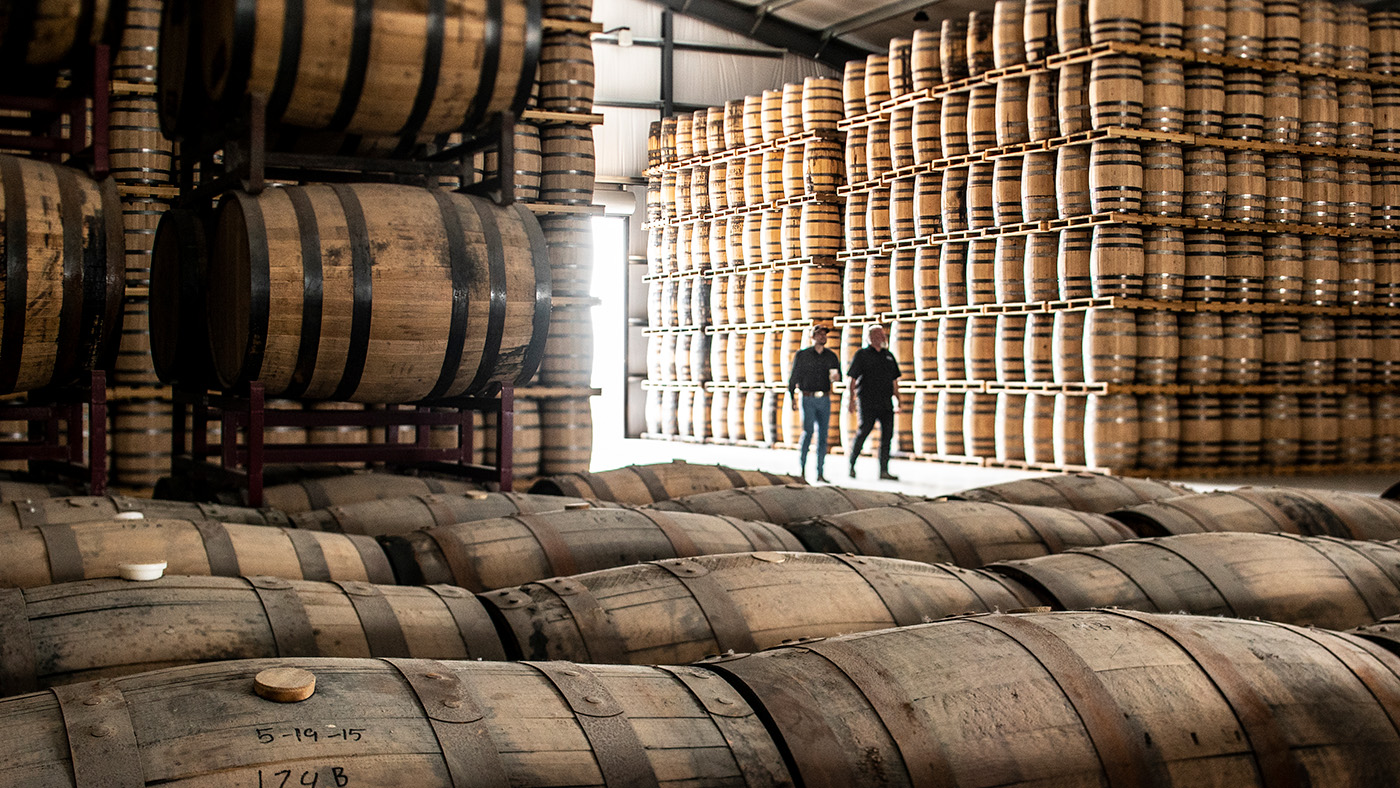
Town Branch is one of the best examples of a distillery that uses traditional pot stills in America’s highly competitive commercial market. The first new distillery on the Kentucky Bourbon Trail in more than 100 years was founded in Lexington by Dr. Pearse Lyons, an Irish master distiller with a doctorate in yeast fermentation.
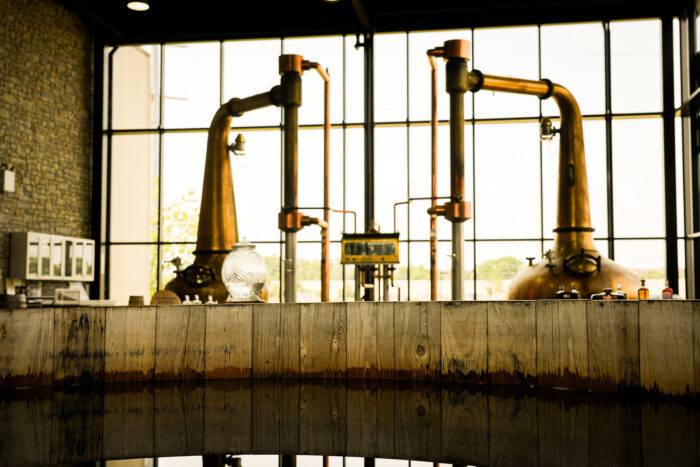
“Our single malt whiskey is 100% distilled with our dual copper pot stills,” said Dave Bob Gaspar, head of distilling. “Some of our bourbon is distilled on those pot stills …. We’re one of the only distilleries in Kentucky, and one of the very few in America still distilling by hand in the old tradition with these pot stills.”
Town Branch also favors another method handed down from previous generations: open wood fermenting, which uses now-endangered cypress containers in place of stainless steel. It’s all part of an increasingly rare handcrafted process.
“Every bottle of Town Branch is filled, labeled and packaged by hand,” Gaspar added. “No machinery whatsoever. So from beginning to end, it’s all done by us.”
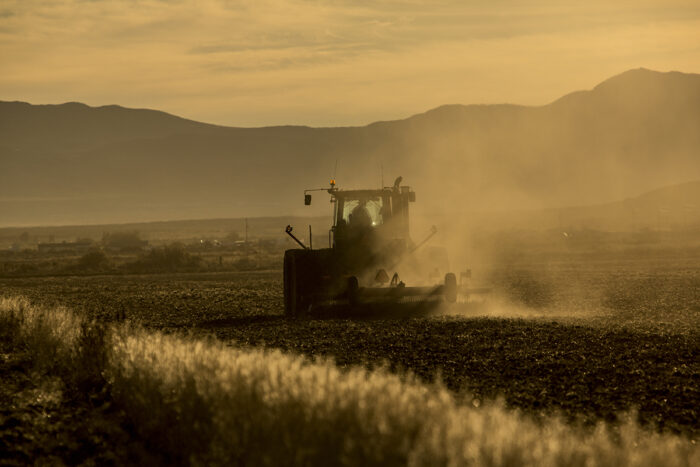
Frey Ranch Field
Frey Ranch is a 1,200-acre farm and distillery in Northern Nevada that also understands the value of the pot still. Located about 70 miles east of Reno, the operation uses a hybrid system that combines the quality of a pot still with the quantity of a column still. It’s a wonky process, but much of it involves how the mash responds to boiling points, evolving into the “heads,” “tails” and “heart” of the distillate.
“There are things in alcohol that have lower boiling points, and they’re almost always not beneficial, like methanol and acetone,” owner Colby Frey explained. “The heads are what come off first … and we throw those out in the pot still (process).
“Then the hearts, or the middle run, is the good stuff that we want to keep. Then toward the end of the distillation … as the temperature goes up, you’re getting other compounds you might not want in your whiskey (the tails), so we can separate those out as well.”
The dedication to quality is reflected in Frey Ranch’s commitment to sustainability. All of the grains are grown on the farm, which dates back five generations to 1855—before Nevada was even officially a state. The team controls every step, from the soil quality to irrigation techniques. Even the spent grain is donated as cattle feed to a neighboring dairy in exchange for manure.
“It’s the best fertilizer you can get,” Frey said. “ We’re essentially an estate distillery that has 100% control over the entire process.”
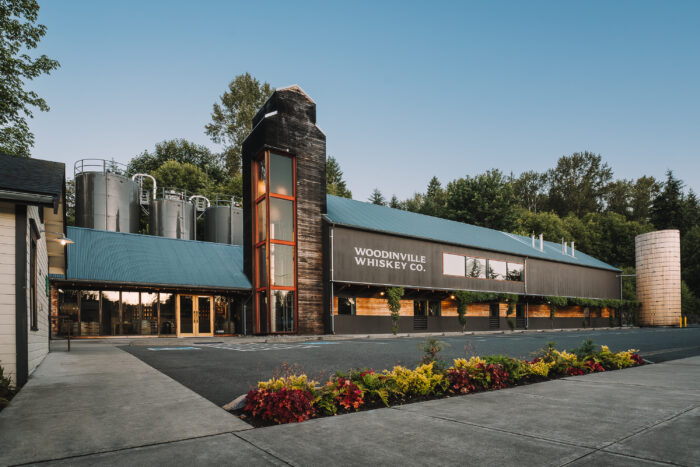
Woodinville, the largest whiskey distillery in Washington state, shares some commonalities with Frey Ranch. All grains used in its process are grown exclusively in one place—a fourth-generation farm run by the Omlin family in a small agricultural community between Seattle and Spokane.
The partnership and story of how Woodinville was founded by two friends, Orlin Sorensen and Brett Carlile, is documented in the distillery’s own self-published book, Woodinville Whiskey Co.. The book also reveals how its whiskey is produced in a custom-designed German pot and column stills in the following excerpt:
“As the mash heats up, the alcohol boils off, and the resulting vapors travel through the still. The vapor re-condenses into liquid composed of the undesirable ‘heads,’ which get discarded, ‘tails,’ some of which get reserved (and reused effectively for later distillations), and the virtuous ‘hearts.’”

Additionally, the book draws a sharp contrast to “large commercial distilleries” that rely on column, or continuous, distilling to “constantly add mash and draw off alcohol. This method causes heads and tails to be continually coming off the still, along with the hearts.”
That’s why mass-market whiskies are more likely to give you a bad hangover—with a less compelling taste to boot. But even a nationally recognized brand like WhistlePig Whiskey proves you can find the sweet spot.
“WhistlePig uses a 750-gallon combination still, so both pot and column. We run 100% rye the majority of the time but will experiment with some bourbons and wheat as well,” said Meghan Ireland, WhistlePig’s chief blender.
Ireland went on to explain that the column has nine bubble plates that can be opened and closed to control vapor, which adjusts proof and purity, allowing them some versatility in the way they distill “for some great experiments.”
It’s also worth pointing out that Scotch is legally required to use pot stills, but if your preferences lean toward American whiskey, it may be time to reevaluate your options—and avoid that nasty day-after headache.