Earned influence and the glamour of being underestimated
I cannot remember a time when I wasn’t obsessed with fashion. One of my earliest memories is playing dress-up in my grandma Thelma’s closet. Thelma was the Imelda Marcos of Turner County, South Dakota. I went through the requisite awkward tomboy and cowgirl phases, but still found my way to neon high-top Reeboks and a quilted Mickey Mouse sweatshirt—fully committed to the 80s long before I understood what that meant. I was, as one would say, fashion-forward … or so I thought.
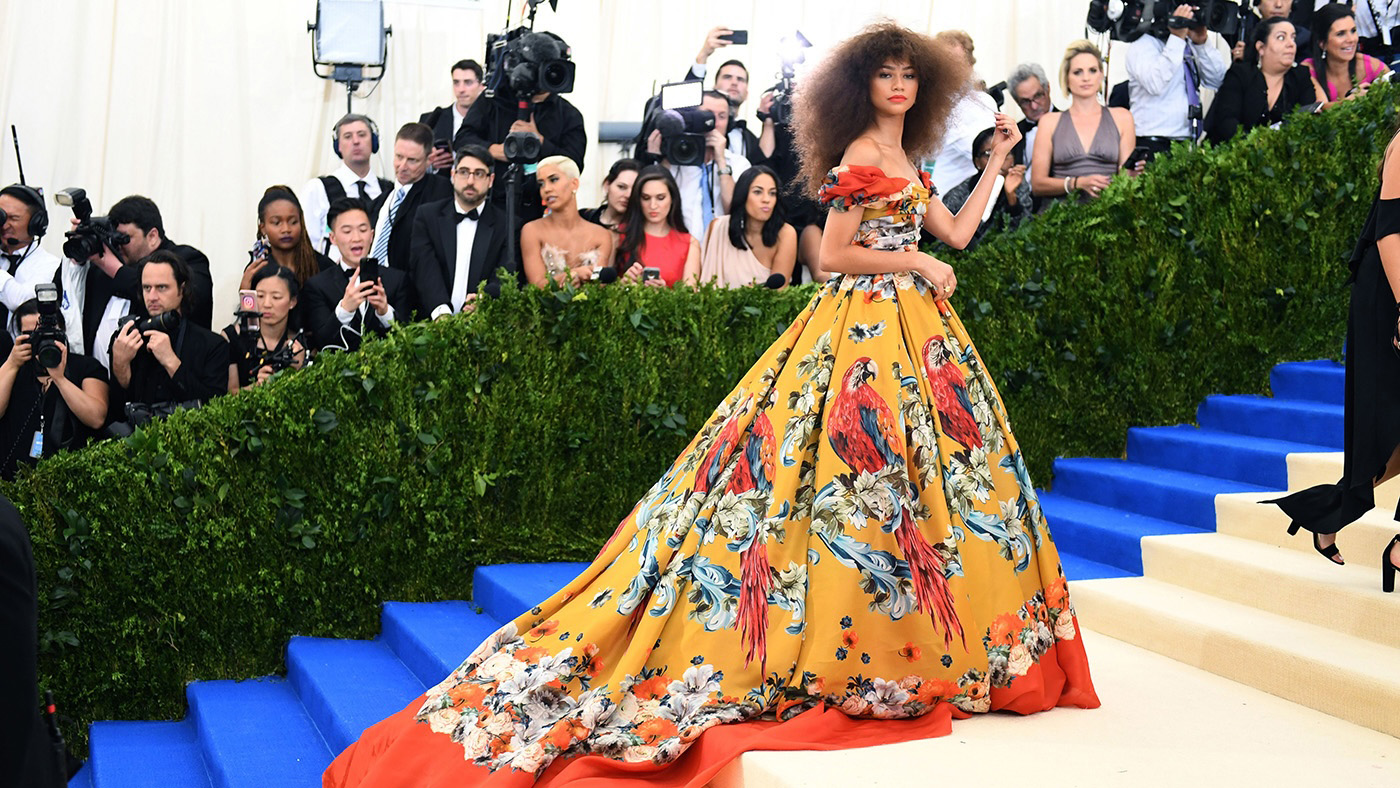
If you, too, are an ardent lover of all things fashion, then you probably consider the Met Gala your Super Bowl. I’d love to say I’ll attend someday, but I have a better chance of winning the lottery—or getting struck by lightning. Still, a girl can dream. About the Met Gala, not the lightning.
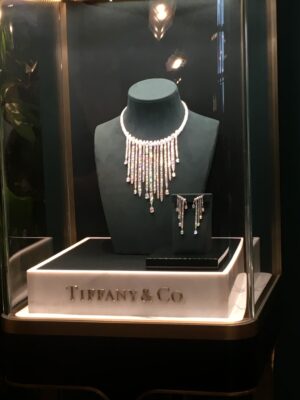
A few years ago, I got close, though. Thanks to Tiffany & Co., I was among a handful of journalists invited to cover the release of the company’s annual Blue Book Collection. If you aren’t familiar, the Blue Book is Tiffany’s annual haute jewelry collection—the crown jewel of its creative vision, unveiled each year in a setting so over-the-top it could make the Met Gala blush. I stood in rooms where necklaces cost more than most mortgages, quietly doing the math on what I own and arriving at a number that would not buy a single clasp.
One of the events Tiffany & Co. arranged for us was a behind-the-scenes tour of the Met Gala setup at The Metropolitan Museum of Art, just days before everyone arrived on those famous steps.
A member of Raúl Àvila‘s team led the tour. For those who don’t know, Àvila is the person behind the Met Gala’s interior design, from the tables to the flowers and the overall atmosphere. Meeting him, even for a short time, felt like meeting the set designer of your favorite dream. The tour guide showed us the seating arrangements—who sat next to whom, and the careful planning of power and proximity at each table.
The whole experience was fascinating and awe-inspiring, and it stuck with me. When I returned to graduate school during COVID and started my Master of Arts thesis in creative writing, I didn’t choose Ernest Hemingway, Virginia Woolf or the Great American Novel. I wrote about Eleanor Lambert—the woman who created the space Raul Àvila now designs.
Most people have never heard her name. In a way, that’s the most fitting thing about Eleanor Lambert.
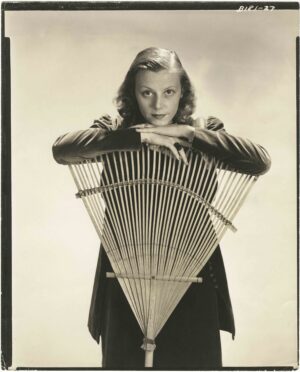
She was born in 1903 in Crawfordsville, Indiana, a small town that either sparks big dreams or has you working at the corner store. Lambert was destined for the spotlight. Her father left to join the circus, which probably explains her flair for spectacle. She cooked for college students to earn money, wrote shopping columns for local newspapers, and eventually moved to New York City in the 1920s with only her talent and determination.
She earned $16 a week writing a fashion newsletter, designing book covers and cold-calling celebrities for quotes—an unglamorous start to what would become a remarkable career. On her lunch breaks, she would sit in the dining room of the Algonquin Hotel, quietly observing the era’s most celebrated minds—Dorothy Parker, Robert Benchley, Alexander Woollcott, Harold Ross, Harpo Marx, Edna Ferber, and George S. Kaufman—as they held court. She watched, she listened, and she learned how influence actually worked long before she could afford a seat at the table.
It didn’t take long.
Lambert went on to found New York Fashion Week, the Council of Fashion Designers of America, the Met Gala, and the International Best Dressed List. She represented Calvin Klein, Halston, Oscar de la Renta, and Bill Blass. She helped establish MoMA. She was appointed by President Lyndon Johnson to the National Council on the Arts. She publicized Christian Dior’s 1947 “New Look”—still considered the most successful fashion launch in history.
She did all of this, and most people don’t know her name.
In 1948, Lambert created the Met Gala. It began as a midnight supper called the Party of the Year, with $50 tickets, held to raise funds for the newly merged Costume Institute at the Metropolitan Museum of Art. It rotated through Manhattan venues: the Waldorf Astoria, Central Park, the Rainbow Room. Intimate. Intentional. Entirely hers.
She managed the event for more than 20 years before Diana Vreeland took over in the early 1970s. Vreeland moved the Gala permanently into The Met and started the themed exhibitions that now define the night. During her time, the gala began attracting stars like Elizabeth Taylor, Andy Warhol, Bianca Jagger, Diana Ross, Elton John, Liza Minnelli and Cher, mixing them with New York’s elite and changing the event’s social scene forever.
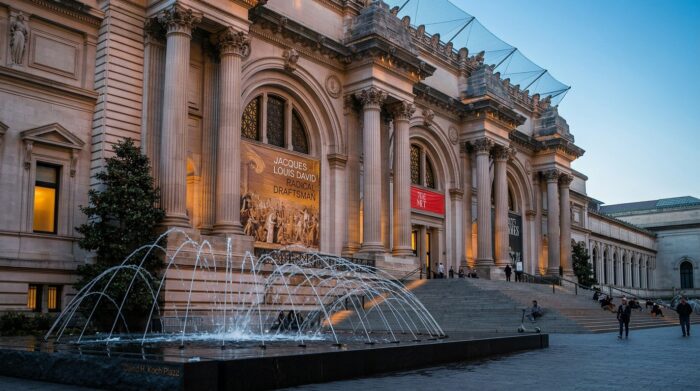
Then Anna Wintour came along. She has led the Met Gala since 1995, turning it from a respected industry event into a major cultural phenomenon. Now it stops the internet every first Monday in May and brings in almost twice the media attention as the actual Super Bowl.
Today, a single ticket costs $100,000, with tables for 10 people starting around $350,000. The room Lambert started for fifty dollars.
Lambert was right about everything: Fashion should be taken seriously; it is art, and a woman who knows how to dress understands something important about how appearance opens doors—and how first impressions matter. That is worth preserving, showing, celebrating and supporting.
I think about her often. She was the Indiana girl who once ate her lunch at the edge of a room she would later redesign. She spent a lifetime building institutions that still exist, still raise millions of dollars, and still gather the world’s most photographed people on one staircase each year, asking them to make a statement with their clothes.
She died in 2003 at the age of 100. Her last public appearance was at New York Fashion Week that September (fitting).
I’ve yet to make it to the Met Gala. But I spent a year inside Eleanor Lambert’s mind—and maybe that’s a better story. A girl from South Dakota writing her thesis—in her 50s—about a girl from Indiana who created the most glamorous event in the world. I think Lambert would have appreciated that.
The Met Gala returns on Monday, May 4, with the theme “Fashion Is Art,” co-chaired by Beyoncé, Nicole Kidman, Venus Williams, and Anna Wintour. The event also features a host committee spanning fashion, film, music, and sports, along with honorary chairs Jeff Bezos and Lauren Sánchez Bezos.