The Vineyard of Gorgona’s Prison Island Provides Incarcerated Men With a New Lease on Life
The water below is impossibly blue; mesmerizing in a way only the Tyrrhenian Sea can manage. Sun-faded buildings rise against the hillside and beyond them, among the vineyards, a small group of men works. This is Gorgona—Italy’s last island prison—a patch of the Tuscan Archipelago with a layered history. Once a reference point in Dante’sThe Divine Comedy, the island’s role has shifted.
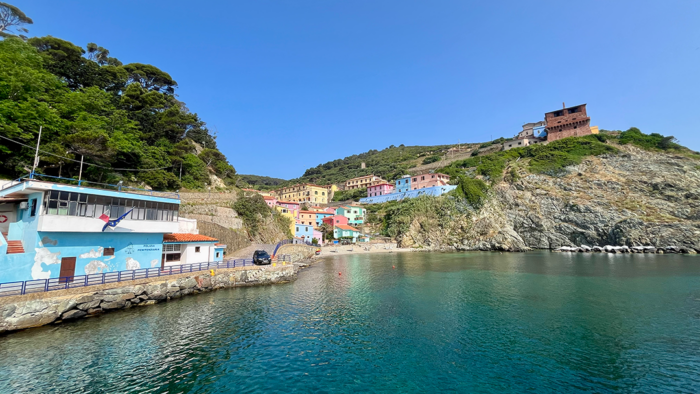
Access to the island is highly regulated. It’s a privilege to be here.
The hike to the vineyards is steep and dusty, with holm oaks and scrub lining sandy, stony trails. In June, hot air clings to the skin, barely softened by a sea breeze. It’s an unlikely place for rehabilitation—and a compelling wine story.
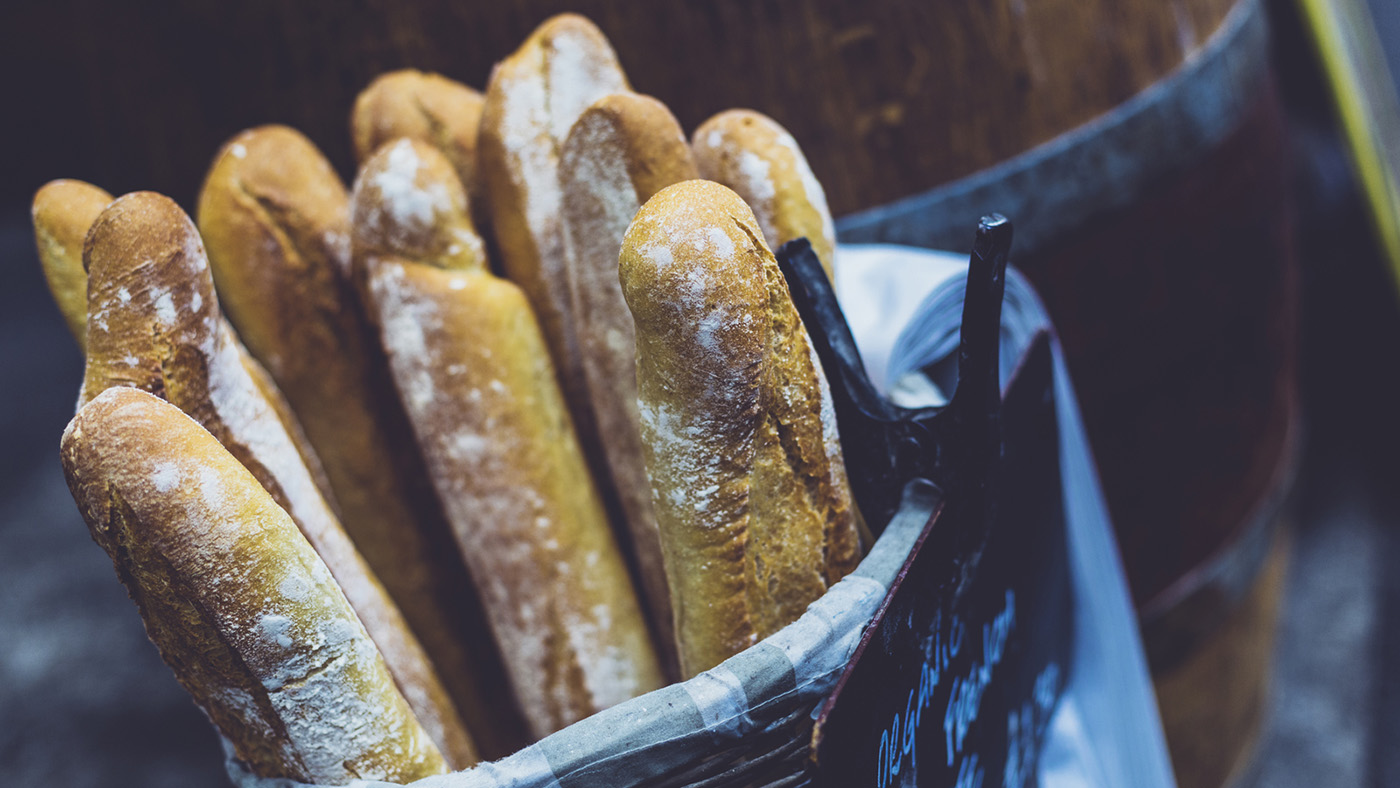
Gorgona became a penal colony in 1869 and today houses 70 male inmates, most near the end of their sentences. Inmates here are locked up only at night and work during the day: baking bread, tending animals, gardening or repairing engines. Recidivism here is just 20%, compared to 80% elsewhere.
But what has drawn global attention to Gorgona is its wine.
Gorgona’s 2012 partnership with Frescobaldi, Tuscany’s historic wine dynasty, gave new life to the island. The collaboration began by chance.
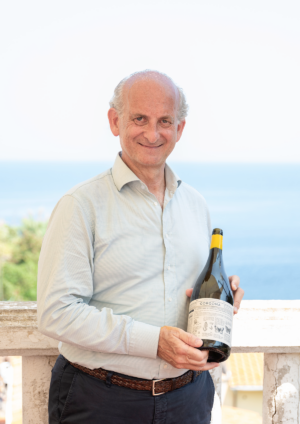
“I came across an email in which the prison was asking for help to improve wine production from the vineyards already growing on the island,” recalls Lamberto Frescobaldi, 30th generation and president of Marchesi Frescobaldi. “It had contacted about 100 wineries, seeking an active sponsor for a vineyard project to assist convicts in rehabilitation, and we replied to say we’d be happy to get involved. When I met with the prison director, she told me, ‘You were the only winery to reply.’”
Producing wine here is quite challenging. Transportation depends on the sea; security shapes schedules; and space, equipment and services are minimal. Still, Frescobaldi believes Gorgona’s terroir and story overcome every obstacle.
“What truly makes the difference is that its unique soil and climate create an extraordinary terroir,” said Nicolò d’Afflitto, head winemaker of Marchesi Frescobaldi.“ It is precisely this combination of extreme conditions and unique identity that makes Gorgona wine so special.”
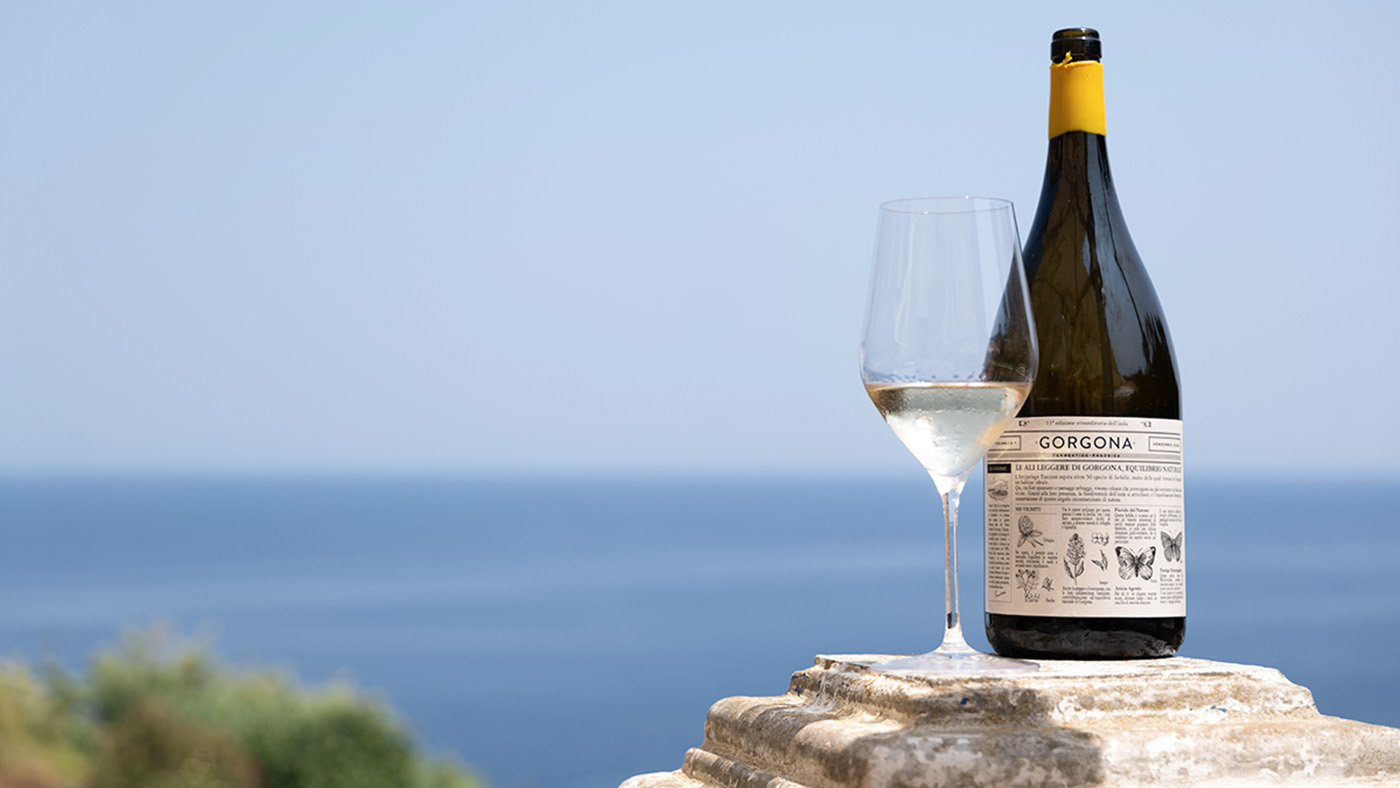
Situated in a natural amphitheater overlooking the sea, the 2-hectare plot nurtures vermentino and ansonica grapes, two varieties that together capture everything the island is. In the glass, the wine is floral and fruity, evoking ripe exotic fruit and citrus with a mineral depth. A savory edge carries a wisp of sea air and freshness that seems to embody the island’s particular quality of light.
The grapes are harvested by inmates alongside Frescobaldi’s winemaking team; vinified on the island; then shipped to the mainland for bottling. Each vintage is a special edition, its label portraying a different facet of Gorgona, from its wildlife to the ancient Greek myths that once drifted on these very waters.
“It is also something that goes far beyond the wine itself, because each bottle holds within it real stories of real change,” said Frescobaldi. “Tending a vineyard means caring for something constantly. It makes you responsible, it makes you feel that you matter. This speaks directly to the values we stand for: respect for work, a sense of responsibility and a belief in people’s capacity to grow.”
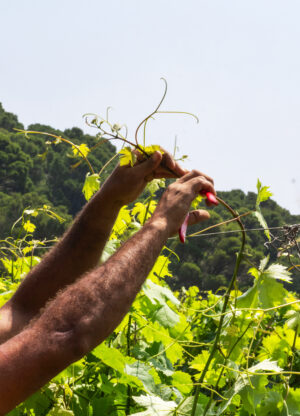
In the vineyard, Godday, one of just a few inmates chosen each year to work as a Frescobaldi paid employee, clears weeds from the base of the vines. He is tall, with an unsettled gaze, relearning how to be among people.
“I can’t think of anything better,” he said.
When their sentence ends, these men move to a Frescobaldi estate on the mainland for a year, then transition to other wineries as they reintegrate into society.
D’Afflitto has seen the transformation. He recalls a young farmer from the Piedmont region of Italy who embraced the work not just as a job but as a path to personal and professional growth.
“The vineyard doesn’t allow shortcuts,” Frescobaldi added. “It teaches patience, responsibility and dignity; lessons that extend far beyond the rows of vines.”
It is poignant that the men who tend these vines with care cannot taste the wine they produce. Gorgona is poured around the world while its makers remain behind.
As evening falls, the island quiets. The men who spent the day among the vines, in the bakery, at the mechanic’s bench and on the farm return to their cells. Their work ends but their purpose resonates.
“This project has been a genuine school of life. At its core, caring for a vineyard and caring for people require the very same things—attention, patience and a belief that change is possible,” said Frescobaldi.