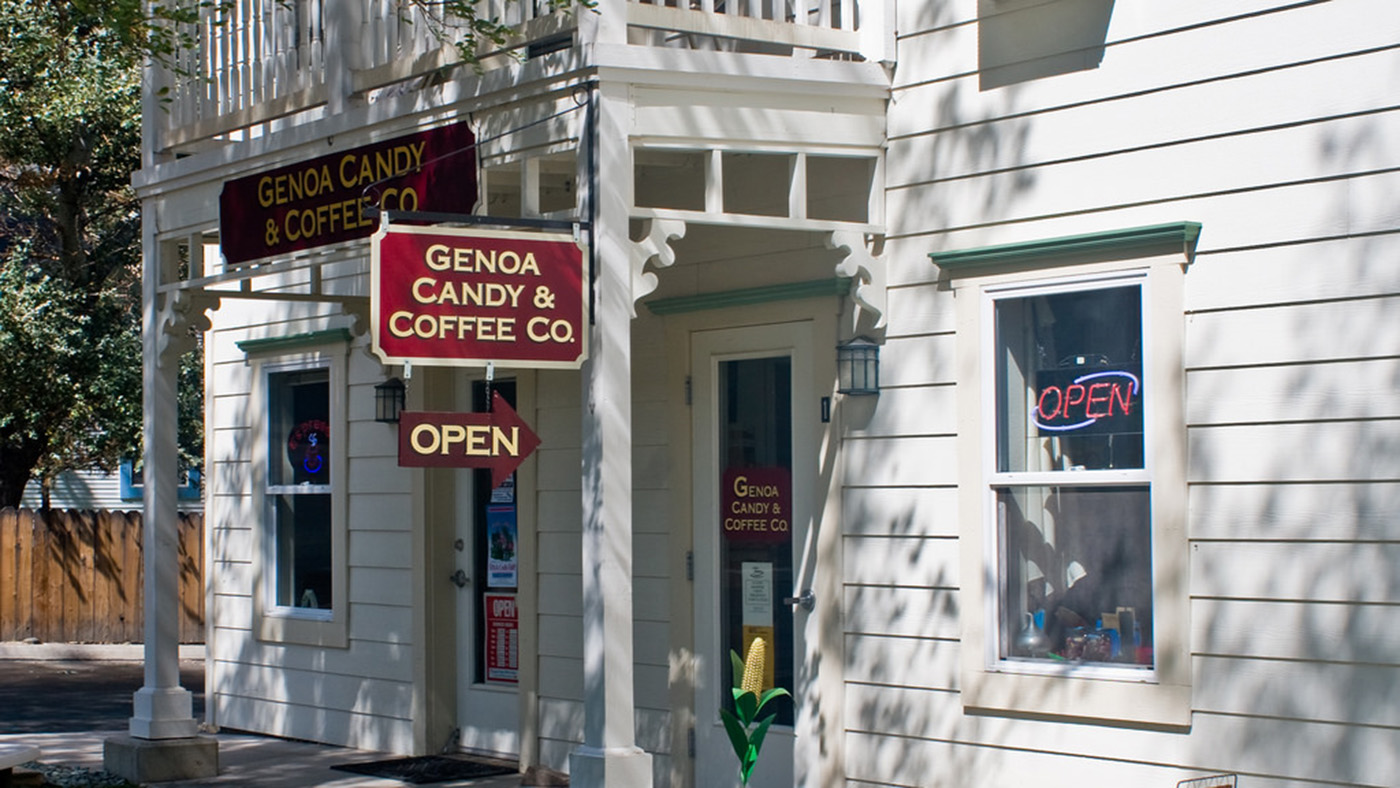
Nevada’s oldest settlement sweetens the pot with an annual tradition that dates back more than 100 years.
The story began more than a century ago. A small group of women in the tiny Northern Nevada community of Genoa organized a dance in 1919 to raise money for an electric streetlight at the town’s main intersection. At the time, a local dance was a hot ticket but not a sure thing. So the organizers offered candy to boost ticket sales. The event was a success, raising enough money to buy two lights. Then came the electric bill.
“They just didn’t realize how much the electricity would cost to run them,” said Josh Rudelbach, destination marketing and data strategist for Visit Carson Valley.
So the women held another dance to pay for the power. The tradition continued, and 107 years later Genoa is preparing to do it again.
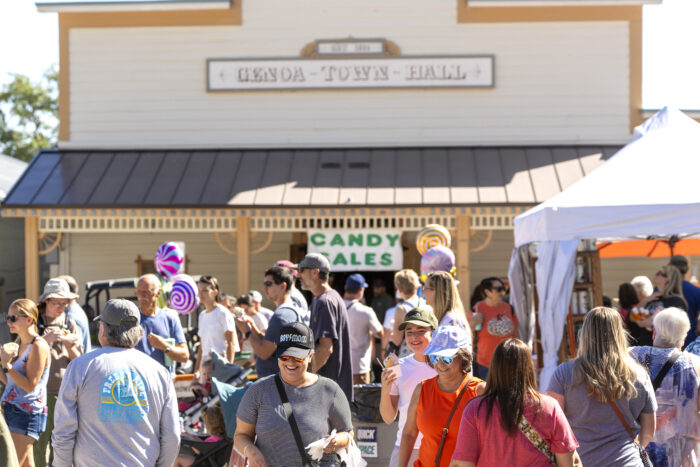
Held the last full weekend in September, the Genoa Candy Dance draws tens of thousands to an otherwise quiet community situated about a half-hour east of Lake Tahoe within the scenic Carson Valley of the Sierra Nevada mountain range. It’s now expanded to a full-blown festival with more than 400 craft vendors squeezing into spots along parks, lots and side streets. Parking is handled in suitably rural fashion: Ranchers open fields to cars, with shuttles carrying visitors into the heart of town.
As always, volunteers make the candy for the event. No familiar grocery store brands will be found here.
“Anybody else at this point would have started buying their candy,” Rudelbach said. “And yet you still have volunteers from the community that come in and make the candy for six-plus weeks leading up to the Candy Dance.”
The work begins during the summer, with the volunteers producing more than 3,000 pounds of fudge, divinity, peanut brittle, toffee, peanut butter cups and other sweets. Although the homemade delectables are a highlight of the affair, it also features a headline dinner and dance with live music from local musicians. The Pink House, a restaurant inside a historic home built in 1855, effectively becomes the “VIP lounge,” selling tickets for all-day access to all of the festivities, which include food, drinks, music, and arts and crafts.
The Candy Dance is serious business. The two-day event accounts for more than 70% of the town’s annual revenue. Candy sales alone add up to nearly one out of every 10 dollars in the town coffers. Property taxes add up, too, according to Rudelbach, who noted the “million-dollar homes in this town of 800 people.”
A Bite of History
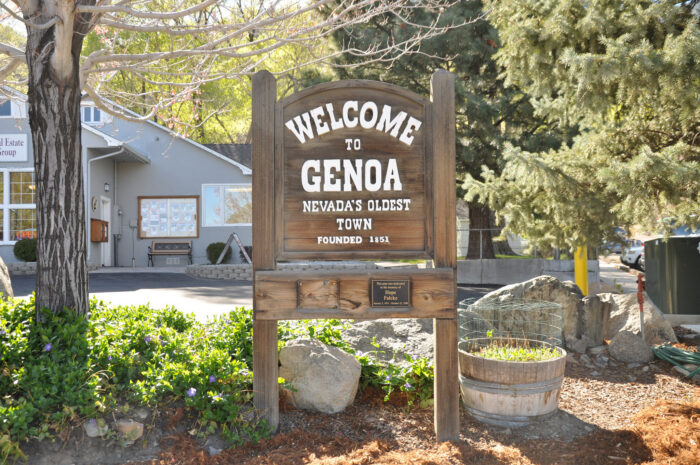
Genoa is known for more than its homemade candy, though. The town occupies a unique place in American history. It was established in 1851 as a trading post along an emigrant route to California, making the small community the first permanent non-Native settlement in the territory that became Nevada.
By the early 20th century, however, Genoa’s fortunes had changed. A 1910 fire devastated much of its business district, and six years later Douglas County moved its county seat from Genoa to Minden, Nevada. The idea to raise funds through candy and dancing was born out of necessity, as residents took the initiative to look after themselves.
Records and newspaper accounts of the earliest dances are scarce, although Beatrice Fettic Jones, who was born in 1909, recalled helping clean the Raycraft Exchange Hotel and selling dance tickets with Lillian Finnegan. She remembered fudge, divinity, penuche and fondant among the candies. Her memories of the midnight supper included sliced ham, chicken, potato salad, macaroni salad and homemade cakes.
The Candymakers
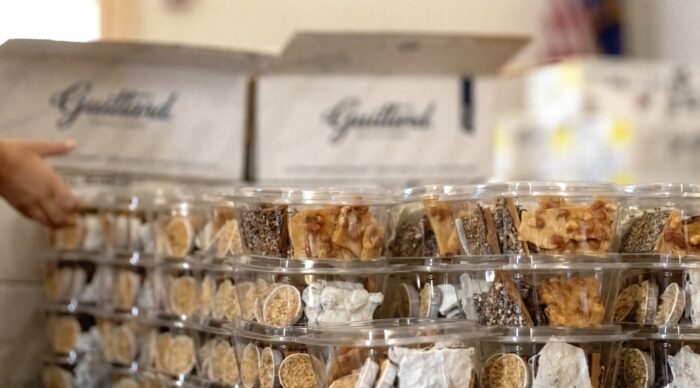
While the Genoa Candy Dance has evolved, the confection selection remains familiar, thanks to recipes passed down through generations. Today approximately 40 volunteers split into teams, making everything from hand-dipped Martha Washington chocolates to peanut brittle, while a core kitchen group handles fudge and toffee.
“You don’t really see a good divinity,” volunteer Manel Rodriguez said. “The best divinity I’ve ever had is the divinity that we make here.”
The egg-white-and-sugar confection is notoriously temperamental. The crew responsible for it works Mondays and Tuesdays, with new members joining by invitation and undergoing training before they’re trusted to make batches independently.
“You have to kinda know the humidity,” Rodriguez added. “You have to make adjustments for that just in the technique.”
Rodriguez moved to Genoa in 2022, drawn to its history and small-town sense of community.
“The only reason I lock my door is because a bear might get in,” he said.
He locks his car for the same reason. A bear already did.
Generally speaking, the past guides the future. Recipes rarely change. Even a suggestion to make the fudge creamier took about two years to gain traction with a slightly sweeter ratio of ingredients.
“The recipes are the recipes, and we kinda wanna keep the tradition of the candy,” Rodriguez explained.
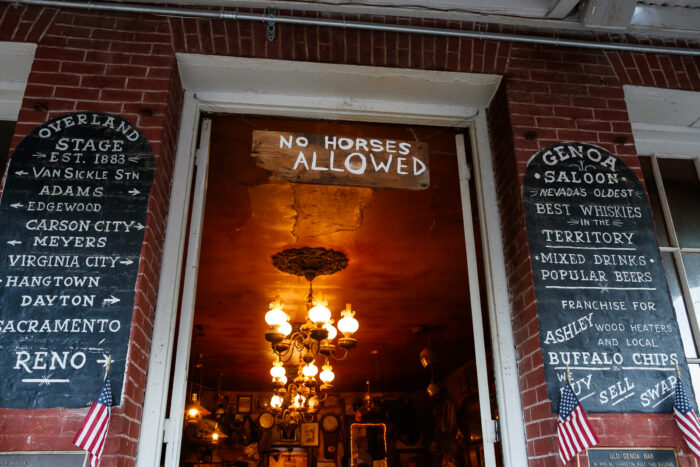
If someone bought fudge at the Candy Dance 10 years ago, he figures it should taste pretty much the same now. Between the confections and camaraderie, people visit Genoa to enjoy something that’s not easy to find elsewhere. The candy itself is sold inside the historic town hall while vendors selling everything from jewelry and furniture to metal artwork can be found as festival-goers pass by the town’s local landmarks, such as the The Genoa Bar—“Nevada’s Oldest Thirst Parlor”—the Douglas County Courthouse, which now operates as the Courthouse Museum Genoa, and Mormon Station State Historic Park.
“We’re all pulling together to feed this community,” Rodriguez said. “And to maintain a town that doesn’t have a real big tax base.”
Back in 1919, Genoa needed its residents to make candy so the town could afford a streetlight. More than a century later, they’re still making candy to keep the lights on.