Why the World’s Most Sought-After Kitchens Are Falling for Bruised Peaches, Crooked Carrots and Imperfect Produce.
If you’re anything like me, your phone is filled with images of perfectly plated food. Before anyone even takes a bite, somebody adjusts the wine glass, moves the fork 3 inches to the left and angles the candle for better lighting. Dining out no longer centers on dinner—it focuses on staging the perfect Instagram-worthy shot.
For years, luxury food fully embraced that mindset. Haute couture grocers stacked fruit like art installations rather than something you were supposed to consume. Fine-dining kitchens lined their counters with microgreens and tweezers. Produce was polished to perfection: grapes plump and juicy, citrus without a blemish.
Falling for Ugly
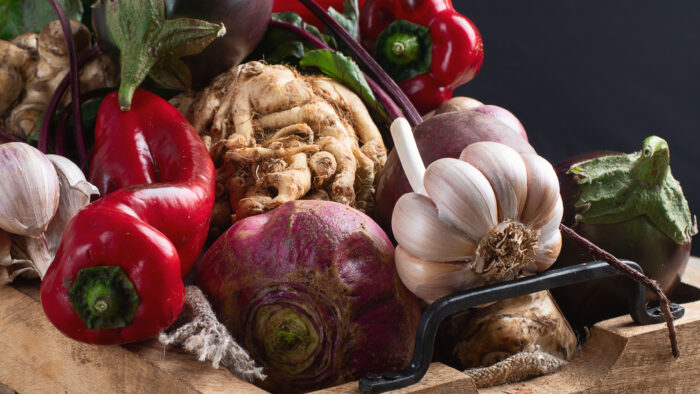
But somewhere along the way, the rich started falling for ugly. Not the poetic kind—like the ominous denuske watermelon that sells for up to $6,000 per melon. I‘m talking about the real lumpy, bumpy, bruised and blemished variety.
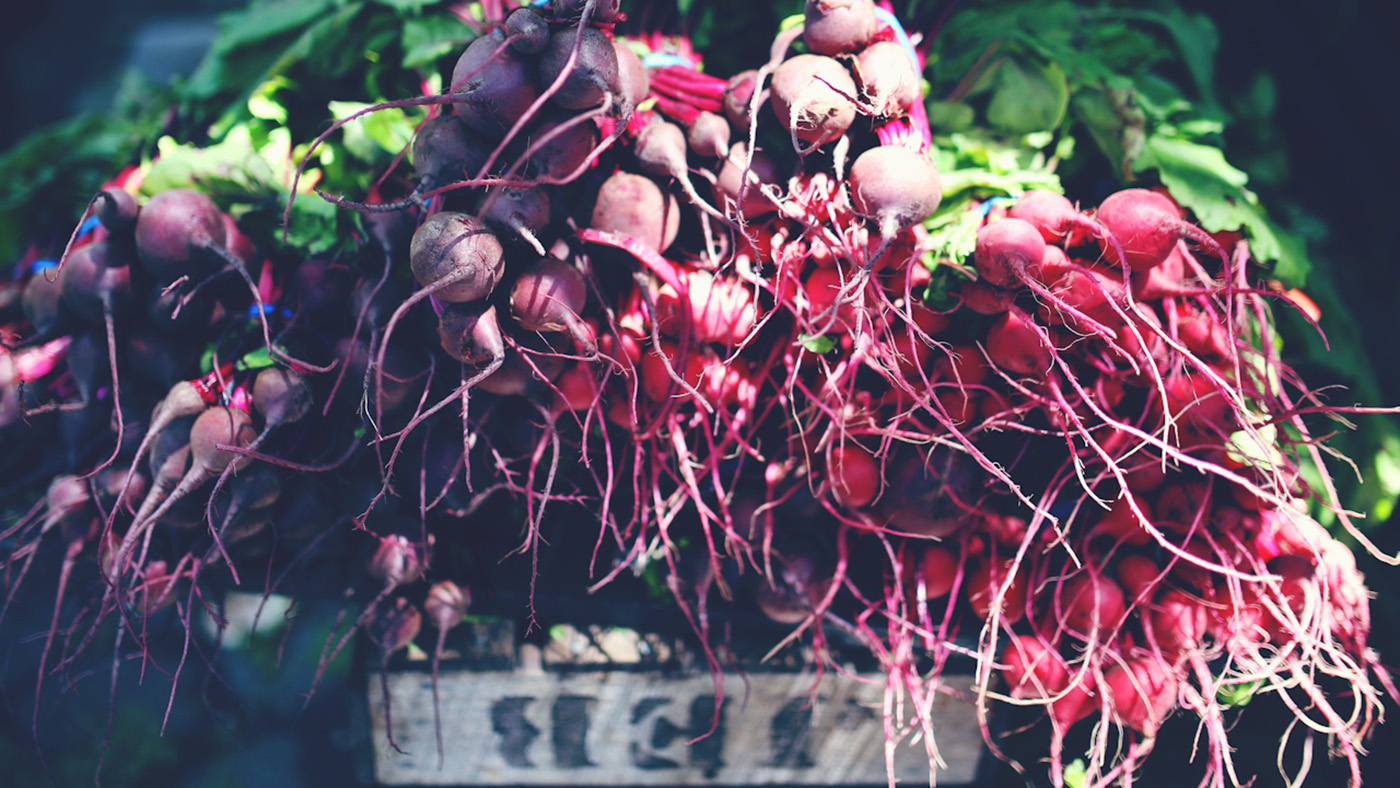
Today the hottest kitchens and specialty shops scour farmers markets for carrots with an extra appendage, citrus with multiple nipples and tomatoes with an identity crisis. All the abnormalities industrial agriculture spent decades trying to breed out are suddenly en vogue.
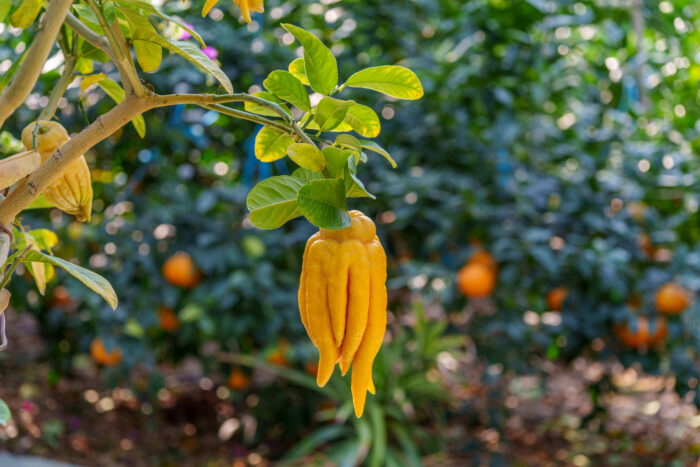
At high-end fruit boutiques in Tokyo, rare, asymmetrical vegetables and fruits, such as the Buddha’s hand, are in high demand. In Copenhagen and Northern California, chefs are opting for irregular produce because it signals an eco-luxury approach and kinship to the land. At restaurants like Noma and Blue Hill at Stone Barns, visual irregularity is no longer treated like a flaw or discarded. It’s proof that the ingredient was planted and nurtured before finding its way onto the plate.
Algorithm Apathy
The shift feels less like a food trend and more like social media exhaustion. After years of perfectly staged tablescapes and algorithm-friendly aesthetics, consumers are starting to crave things that look less manufactured. In an era where AI can generate flawless images in seconds, perfection increasingly reads more as artificial than arrival.
According to the United Nations Food and Agriculture Organization, nearly one-third of food is wasted globally, with cosmetic rejection playing a major role. For decades, produce was bred for shipping durability, uniform sizing and shelf presentation more than flavor. The perfect apple wasn’t necessarily the best apple. It was simply the easiest apple to stack.
“There’s a growing appreciation for ingredients that look alive,” said chef and food writer Dan Barber while discussing biodiversity and flavor. Uniformity, he argues, often comes at the expense of resilience and taste.
Rewriting the Rules of Fine Dining
At Michelin-level restaurants, chefs now talk about biodiversity and terroir with the same passion as they do about Italian wine. A weather-marked citrus fruit grown through a difficult season, or a deeply ribbed heirloom tomato pulled from mineral-rich soil that carries more flavor due to stress and status have now made their way in to kitchens precisely because they don’t look mass-produced.
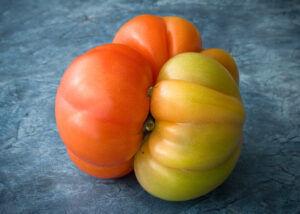
In Los Angeles and New York, luxury grocers, such as McCall’s Meat & Fish Co. and Erewhon are merchandising heirloom varietals once considered commercially inconvenient because they were too inconsistent in size or shape. At California farmers markets frequented by chefs and affluent consumers alike, mottled beans, swollen citrus and heavily creased Costoluto tomatoes are commanding higher prices than their picture-perfect counterparts.
The New Flex
Knowing why a battered peach or knobby Japanese cucumber matters has become its own form of cultural fluency. The appeal isn’t status through veneer, but through discernment.
Even social media—the very thing that helped create the airbrushed food era in the first place—is shifting. Food stylists and chefs are embracing char, oxidation, rough edges, uneven frosting, wild fermentation and asymmetry. The most compelling plates are increasingly the ones that still look edible rather than overly styled.
Delicious Imperfections
There’s something strangely comforting about a crooked carrot or a lopsided apple in a world built on filters, editing apps and relentless curation. It reminds us that nature is unpredictable, inconsistent and perfectly flawed.
After decades spent chasing cosmetic perfection, maybe luxury is finally circling back to what grandmothers, farmers and street vendors have long known: Flavor has never depended on perfection.