Bars and Restaurants Have Become More Inventive, Experiential To Draw New Customers
The basic appeal of wine, beer and cocktails is timeless, but trends come and go. In the fast-paced world of technology and social media, alcohol preferences and new drink ideas emerge at a moment’s notice. As a recent visit to the annual Bar & Restaurant Expo in Las Vegas revealed, the latest trends of interest for the modern drinker combine creativity with commerce.
The New Generational Divide
It’s no secret: Young millennials and Gen Zers are drinking less than their older counterparts. This has created a divide in the bar and restaurant industry that operators are working to navigate.
“The drinking culture is definitely different,” said celebrity chef Roy Choi. “This new generation, a lot of ’em were raised through COVID and social media, being separated from each other and communicating through phones and apps. They haven’t built the muscle memory of drinking together, so their experiences are a lot more curated.”
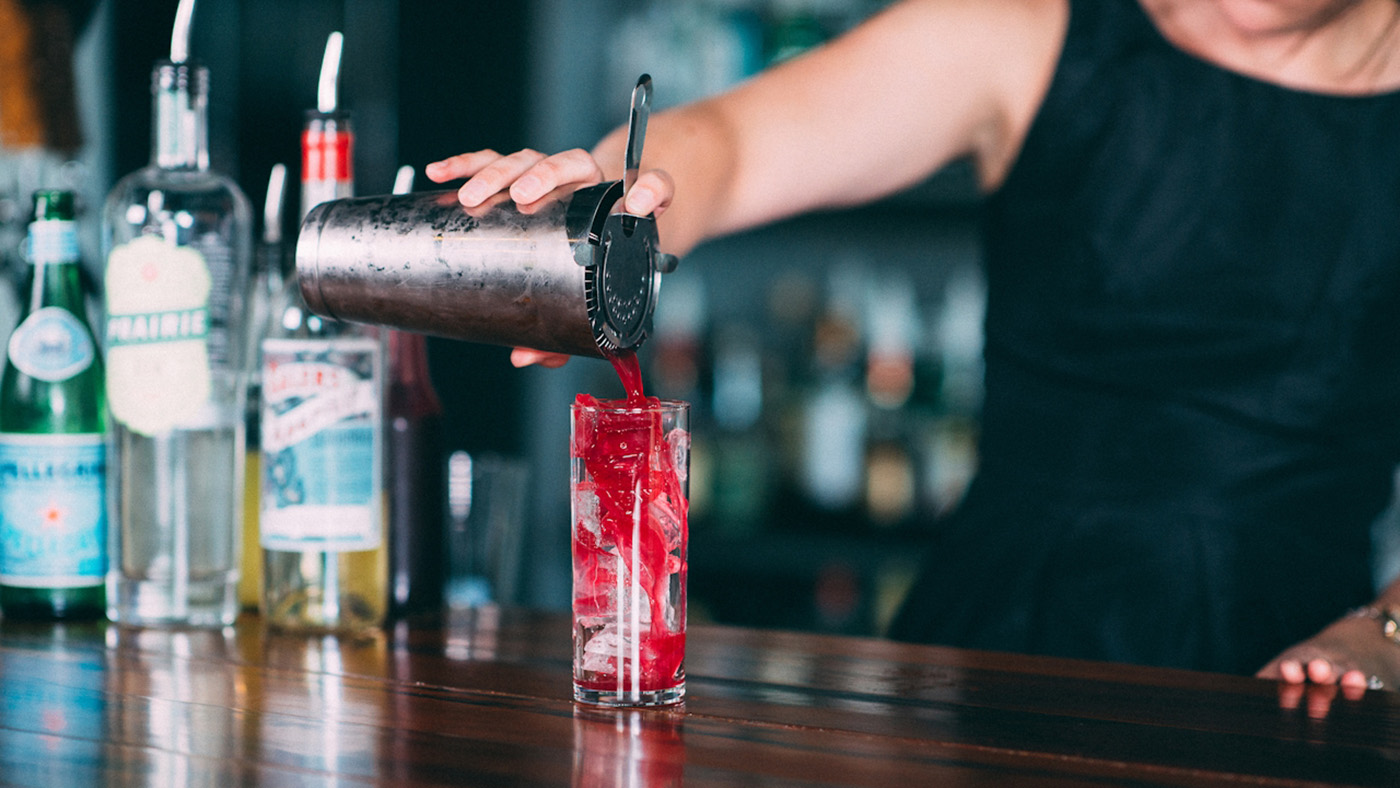
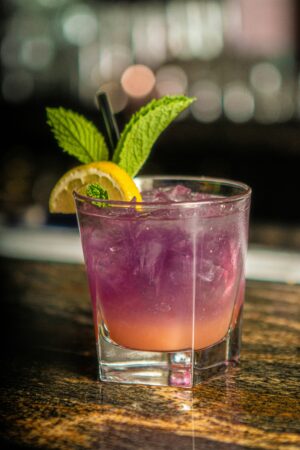
The shift has prompted a new wave of craft “mocktails” sans alcohol. Even those who still appreciate a stiff libation are drinking fewer of them.
“I don’t see people lining up shots like they used to or pounding beer after beer,” Choi continued. “When you have a really good craft cocktail, you don’t want to chug it. You want to enjoy it. Craft and quality are taking over—and that’s not a bad thing. You can focus more attention on the ingredients. Maybe you can charge a little more for the drink.”
Bars as Entertainment
While everyone is drinking less, at least to some degree, bars are becoming more experiential. Companies like 501 Fun make it easy for watering holes to install a putting green or darts enhanced with augmented reality. Trivia nights are booming throughout the country too. Even the questions asked during games have evolved in popularity over the years. Again, you can credit the younger generation. This time, for its love of “nerdom.”
“The big topic, always, is science,” said Q Hutchison, chief technology officer of Team Trivia, which licenses trivia night concepts throughout the country. “Everyone likes movies and music. What they don’t like, oddly enough, is sports.”
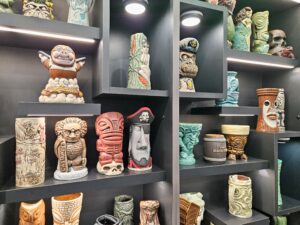
The tiki cocktail movement hit the United States in the ’50s and ’60s but is finding a new audience in today’s market, with bars embracing elaborate, often kitschy Polynesian decorations. The genre’s tropical-style cocktails are heavy on fruit juices, deceptively strong and typically served in ceramic tiki mugs.
According to Charlie Rubel, vice president of sales marketing at San Clemente, California’s Tiki Farm, which produces custom ceramic tiki mugs, “The Ku (named after one of four major Hawaiian gods) is in high demand right now,” and “The Moai (which depicts the Easter Island statues) always do well.”
The long list of ingredients in most tiki cocktails is just one of the reasons Bull in China, creators and curators of fine barware based in Portland, Oregon, rolled out a line of enhanced, sturdy bell jiggers. Think of them as measuring cups for liquids in the shape of a small goblet, which are much more versatile than traditional jiggers.
“It’s a quarter-ounce here, a quarter-ounce there,” Timothy Skondin, sales manager at Bull in China, said. “Tiki-style cocktails have thicker ingredients … it’s easier to clean out a bell jigger.”
All Kinds of Agave
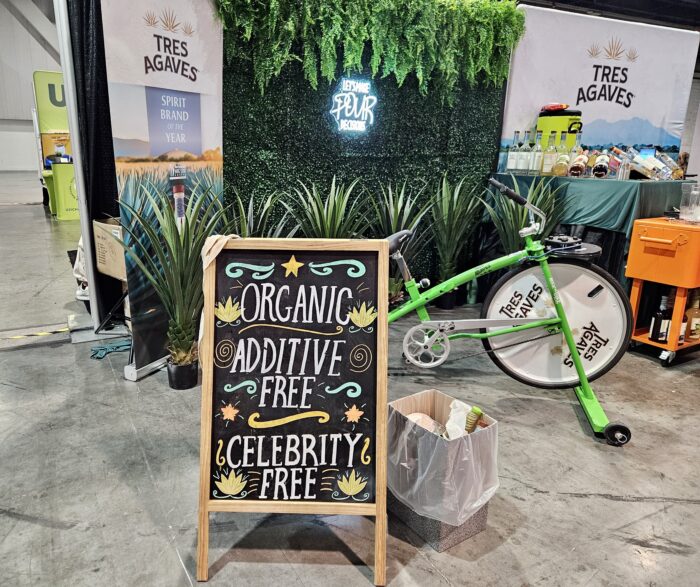
Agave spirits have been having a moment for about 30 years now, but the reasons we appreciate them are changing. Drinkers seem less impressed with celebrity-backed tequila brands and are now gravitating toward the authenticity found in additive-free recipes and distillation. Fortaleza, Ocho, G4 and Don Fulano remain favorites for connoisseurs while mass-market brands like Patrón, Tres Agaves and Teremana follow similar practices by skipping flavor, texture and color enhancements.
We’ve already seen mezcal grow in popularity, but another agave spirit is getting ready for the spotlight. Bacanora has been around for more than 300 years but was banned for 77 years due to a religious crackdown on drinking in parts of Mexico. It was revived in 1992 as a legally protected spirit that can only be produced in Sonora’s 31 municipalities.
“The agave is called angustifolia, and it grows very well in the state of Sonora,” said Eleazar Romero, who handles sales and marketing at Danzari Products, which distributes its own self-titled bacanora brand. “The pinas, or cores of the agave plant, aren’t cut until they have 34 or more grades of sugar. It’s cooked underground with mesquite, very similar to mezcal.”
The result is a taste that’s earthy and smoother than traditional tequila with citrus and occasional grassy notes. The smokiness is present but not as strong as mezcal, making the spirit ideal for sipping neat. With close to 900,000 acres of angustifolia growing in Mexico, don’t be surprised to see bacanora catch on in the United States.
Yet the More Things Change …
The more they remain the same. Just look at the classic martini. The “dirty” version, with olive juice added to dry vermouth and a choice of vodka or gin, is a bestseller on any cocktail menu these days, but there’s another variation making a comeback.
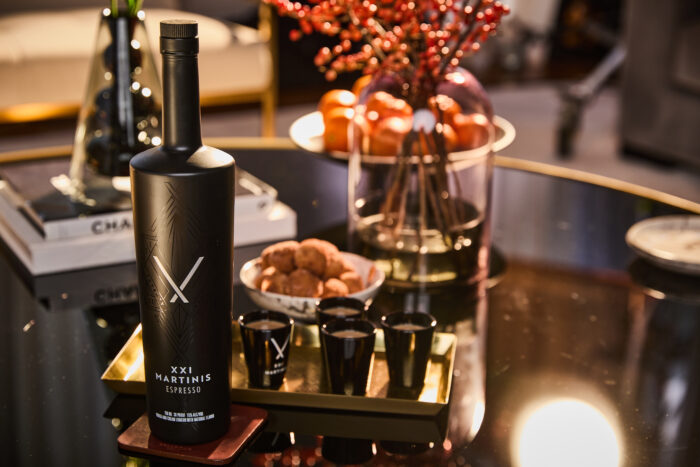
“Espresso martinis are booming in the martini world,” said legendary Las Vegas bartender Angelo Bottley, who co-founded XXI Martinis based on his own handcrafted recipes.
“We created XXI for everyone,” Bottley explained about the premade bottled martinis, which are a rousing success in the ready-to-drink market. “Because no matter who’s behind the bar, you have consistency.”
The brand—pronounced “twenty-one”—is a compelling metaphor for the alcoholic beverage industry at large. The market demands classic sips in new packages, and that’s something we can expect to see more of in 2026 and beyond.