The Hidden Measures Behind the Caribbean Island’s Luxury Lifestyle
As your plane approaches the famously short and steep runway into Gustaf III Airport and you soar over Eden Rock, memories of your time in the Villa Rockstar make you smile. You see the stunning blue waters and St. Jean Beach, which make you look forward to lunch at La Guerite Beach and the wild Sunday brunch at Nikki Beach.
While Saint Barthelemy, or St. Barths, is well known as a luxurious vacation spot to the world’s most affluent and upwardly mobile, one of its most impressive achievements is in its sustainability measures. The island has no rivers, lakes or significant groundwater reserves. It relies heavily on desalinating the seawater surrounding it as well as other initiatives to make the most of its extremely limited resources.
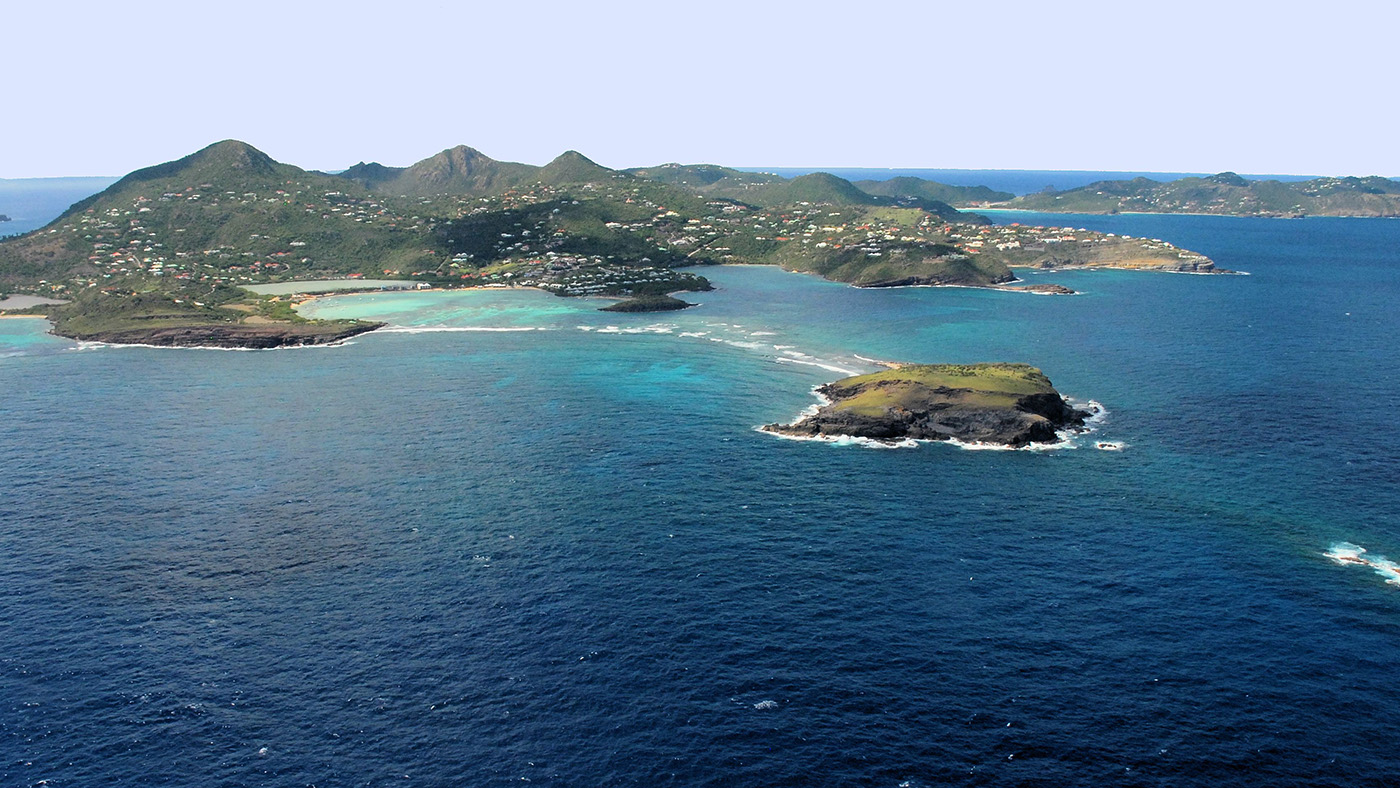
Designated as a territorial collectivity of France, the island is located southeast of Saint Martin in the Caribbean Sea. The volcanic island comprises an area of less than 10 square miles and has a semiarid climate. Its approximately 11,569 current permanent residents are French citizens who enjoy 22 public beaches and prominent sunshine throughout most of the year.
Seawater Desalination
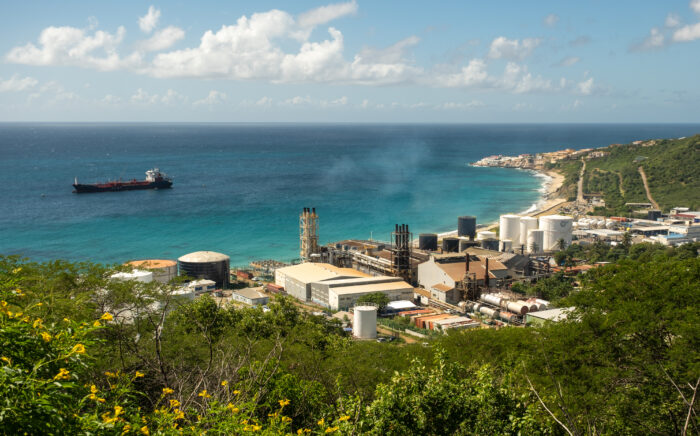
To convert seawater into fresh, drinkable water, St. Barths uses reverse osmosis technology. According to Le Journal de Saint-Barth, an updated desalination plant came online in January 2025 and was officially inaugurated on Feb. 4, 2025. It’s estimated that its production capacity added 3,000 to 4,700 cubic meters of drinkable water per day, supplementing the existing 4,200 cubic meters per day.
The reverse osmosis unit converts seawater by moving it through specialized filters that remove salt, minerals and impurities. And with the new-generation reverse osmosis technology called the Barrel produced by global desalination leader SIDEM, the output of drinkable water is expected to soon double on Saint Barthelemy.
Harvesting Rainwater
While St. Barths is surrounded by seawater, desalination is expensive. Islanders use other measures to capture this valuable resource outside of the drinkable water supply. The rainy season is also the popular summer season: May through November. Rainfall averages 40 inches annually but it varies across the island.
The Caribbean Public Health Agency concluded that rainwater harvesting has been used for more than 300 years in the region. With this proven solution comes modern technological advances to provide water to Barthelemois.
Numerous St. Barths villas rely on private rainwater cisterns that collect rainwater from roofs. Pipes then lead the rainwater to a storage tank where the water is filtered and cleaned for use before storage. Then the water can be drained for when needed, whether via gravity or electronic pumps. This water is nonpotable and therefore used for purposes such as landscaping, flushing toilets and fire protection.
Other Environmentally Friendly Measures
Conservation of natural resources is something apparently at the heart of St. Barths residents. At a young age, children learn to live in harmony with nature. For example, reef-safe sunblock can help protect coral reefs. With its winding—and sometimes narrow—roads, residents have taken to driving smaller smart cars.
Nearly 3,000 acres of the island are part of the Reserve Naturelle de Saint-Barthelemy, a nature reserve that is a gorgeous locale for a hike with its views of the sea lined with boats. The ecosystem is governed by strictly enforced environmental protection rules, including fishing and anchoring regulations and prohibiting visitors from touching marine life in the reserve. The objective of the Reserve Naturelle is “defined by three missions: to manage natural environments and species, preserve, and educate.”
Green buildings are also a part of the local architecture. The U.S. Green Building Council aims to create “a better future where the built environment supports a healthy, sustainable world for all.” Summum calls itself the only architecture firm on St. Barths that is designing to the USGBC’s world-recognized LEED certification, namely at the Cartier store in Gustavia, the capital city of the island.
Ecotourism initiatives are also implemented on the island, including the Green Key and Green Globe certifications. The Christopher St. Barth hotel was the first to achieve the latter designation on St. Barths; in 2025, it received a fifth year of renewal of its Green Gold Globe certification. The hotel works to meet over 400 criteria set by global standards, including desalination; water management; on-site drinking water production; and bringing local and seasonal offerings to diners.
While Saint Barthelemy is known for its chic luxury and upscale tourism, this beautiful island serves as an excellent example to the rest of the world what can be accomplished by taking sustainable measures.