Why Nostalgic Americana Still Attracts International Travelers
Long before social media made travel content mainstream, Route 66 was one of America’s best-selling attractions.
More Than a Road
Nearly a century after Route 66 was established, the 2,448-mile highway, which runs from Chicago to Los Angeles, still draws international travelers seeking the version of America they grew up romanticizing about. According to the University of Illinois, “over 72% of Route 66 visitors are from overseas, especially the UK, Germany, and Australia.”
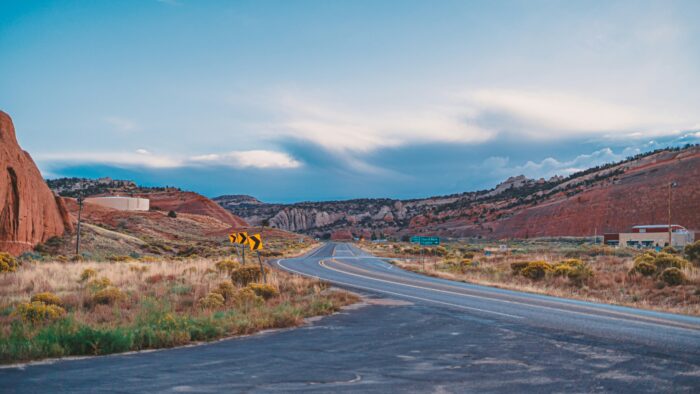
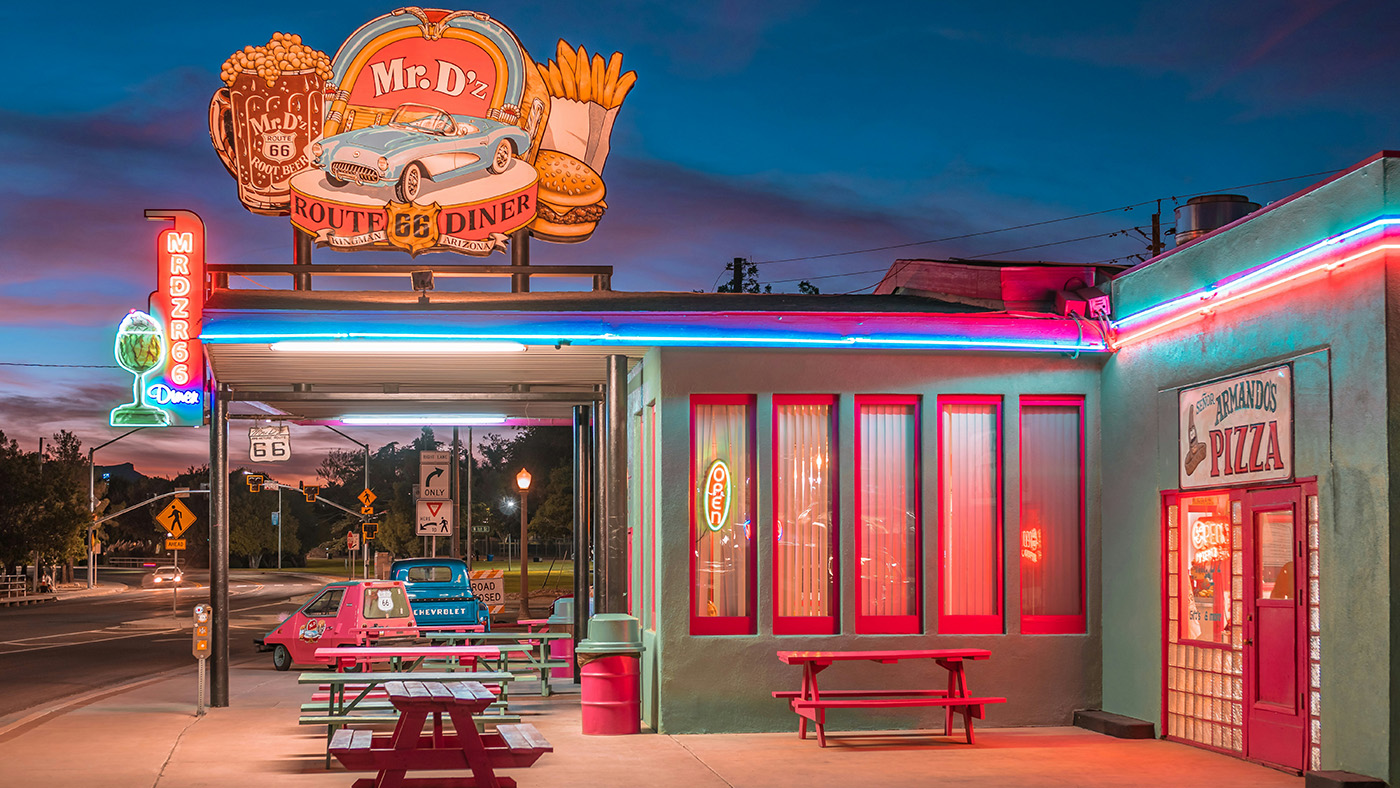
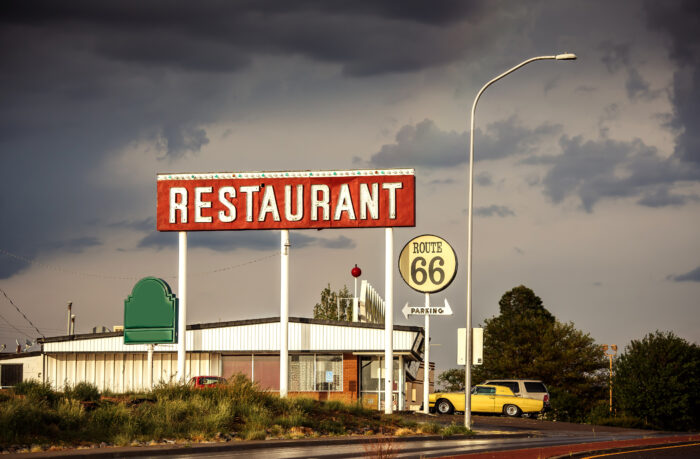
The stretch of road has become a magnet for foreign photographers, filmmakers, vintage car enthusiasts and Americana collectors. Many travel west, all the way to California, chasing the America they saw in movies and advertisements. They photograph faded motel signs in Tucumcari, New Mexico; abandoned gas stations in Shamrock, Oklahoma; and neon diners in Winslow. Arizona. Others stop along the stretches outside Kingman, Arizona, to take in the vast desert landscape. Not because the road is perfectly manicured, but because it still feels distinctly American in ways much of the modern world no longer does.
Exporting the American Dream
The allure of Route 66 can be traced back to the postwar period, when the United States started exporting more than products and politics. Hollywood films like Easy Rider, Thelma & Louise, American Graffiti and later Cars helped romanticize the open road. And, television commercials from brands like Chevrolet and Ford sold freedom through images of highways, convertibles, deserts and cross-country travel. Coca-Cola, Marlboro and Levi’s campaigns also pushed an idealized version overseas of American mobility and independence. Route 66 became synonymous with the image of the American dream.
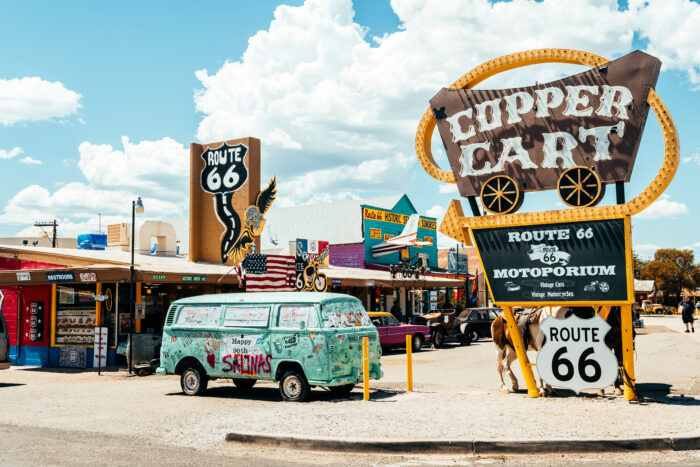
Over time, the fascination grew beyond tourism. Enthusiasts in countries such as Japan, Germany, Netherlands and the Czech Republic began forming their own gatherings and clubs inspired by the highway and their cultural interpretations of what it represented.
“People from other countries tour the road here and have their own Route 66 associations,” said historian and author Cheryl Eichar Jett in regard to the international appeal of Route 66. She also noted, “That no matter where you are from or what language you speak, a stop into a Route 66 museum or diner creates an instant human connection.“
Japan‘s Preservation of Americana
Hiroshi Kono, a member of the Japanese Route 66 Association, recently traveled the highway with Bentenya, a chindon’ya (Japanese street musicians) band, while filming a documentary in which the road was described as more than just tourism.
“We are truly honored,” Kono said. “We would like not only to learn and discover the tradition, people, and culture of historic Route 66 but also contribute something meaningful to carry on its legacy and develop it into a brighter future.”
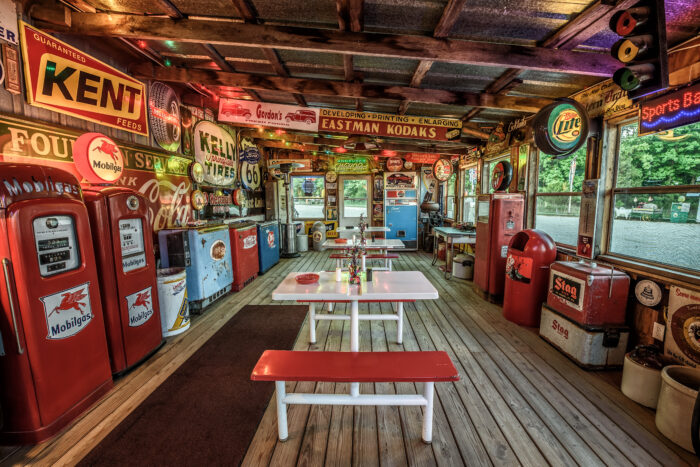
Japanese fascination with Route 66 became so strong that collectors and business owners began preserving Americana long before many Americans viewed it as historically significant. In Tokyo and Yokohama, Japan, Route 66-themed cafes, diners and bars re-created the desert-highway aesthetic with neon signage, jukeboxes, vintage gas pumps and old diner memorabilia.
For many Japanese enthusiasts, Route 66 represents freedom, nostalgia and an enduring vision of America that continues to resonate across generations.
The Contradictions of Freedom
Ironically, the same roadway celebrated around the world as a symbol of freedom also runs through some of the darker chapters of American history. During World War II, a detention camp for Japanese immigrants operated along Route 66 in Santa Fe, New Mexico, between 1942 and 1946. Near the highway’s western end in Los Angeles, the Santa Anita Assembly Center temporarily imprisoned thousands of Japanese-Americans before they were sent to internment camps across the West.
That contradiction may help explain Route 66’s enduring appeal overseas and at home. The highway has come to symbolize both the promise of America and the realities behind it—freedom, reinvention and the flaws tied to those ideals.
The Allure of Imperfection
Those old motel signs, worn gas stations, weathered parking lots and old diners were once seen as signs of decay. Today they carry a different meaning for travelers raised on sleek chain hotels and AI algorithms that suggest where to go next. There is something nostalgic and fascinating about those places, even though they were never intended to be part of an Instagram reel or TikTok video.
Route 66 influenced hospitality and design worldwide. Boutique hotels in Mexico City; Marrakech, Morocco; or elsewhere in the world take cues from Americana—faded palettes, vintage fonts, low furniture, leather, chrome and desert hues. Fashion brands keep using old motels, abandoned gas stations and western highways in their ads because the images automatically evoke feelings of escape.
Those parts of America that were considered outdated a few decades ago have become inspirational.
Why Route 66 Still Matters
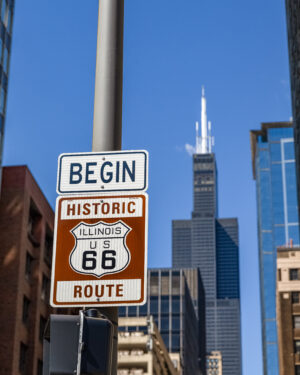
Route 66 was decommissioned as a national highway in 1985 due to changes in American travel habits and the emergence of more efficient interstates. This may have contributed to its continued popularity. Unlike modern roads that serve only utilitarian purposes, Route 66 is associated with exploration. As travelers go through a town, they don’t bypass it. They stop because something caught their attention, not because a TikTok influencer told them to do so.
Preservation projects dedicated to Route 66 remain popular, especially given that the road will turn 100 on Nov. 11. In 1999, former President Bill Clinton signed the National Route 66 Preservation Bill, which aims to protect the historic sites associated with the highway. Festivals dedicated to the road now attract visitors from Europe and Asia alike.
The Enduring Promise of the Open Road
While Americans view Memorial Day as the start of the summer travel season, Route 66 endures as something rarer—proof that the American dream, however broken, still holds promise.
Maybe that is why the world keeps coming back. Not because America is perfect, but because somewhere along that road, the possibility of reinvention and progress still feels within reach.