Taste the Subtle Differences of Türkiye’s Landscape Through Beyaz Peynir
Sitting under the canopy of a carob tree on a sunny September morning, I reached to the middle of my group’s breakfast spread at Tarla Alaçati restaurant and speared a piece of charred beyaz peynir, or white cheese. This was my second day in Türkiye, and I’d already had four different styles of beyaz peynir.
The grilled Bergama cheese I’d reached for was my favorite so far—robustly salty like feta but with a tinge of sweetness and a slight grassy note. I’d come to the Aegean Coast in Türkiye to explore but quickly found myself in a wonderland of white cheese varieties. I made it a personal goal to try each one I encountered.
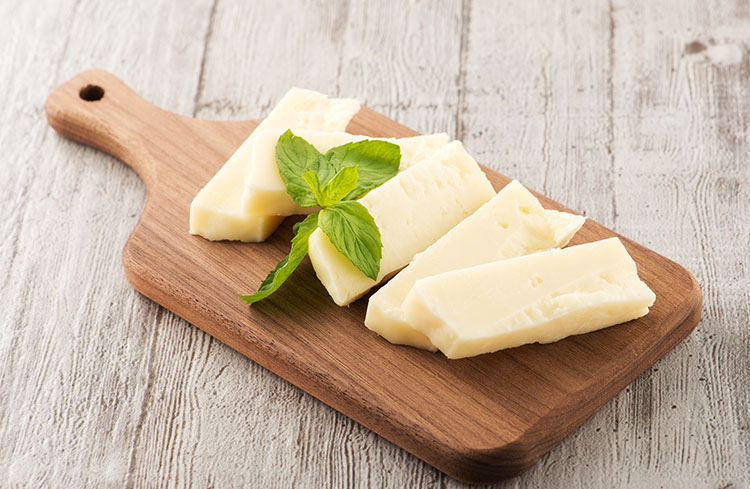
“Beyaz peynir is the cornerstone of Turkish culinary culture,” said Neşe Aksoy Biber, co-founder of Antre Gourmet, a Turkish cheese shop in Istanbul, and a local cheese expert in Türkiye.
“It is more than just food; it is a social bond. It sits at the heart of kahvaltı (breakfast) and is the essential companion to the Çilingir sofrası (traditional raki table social gathering). The pairing of melon and beyaz peynir is a timeless symbol of friendship and conversation in our lands,” she added.
I quickly learned on my trip that you can easily track the terroir of Türkiye by the style of white cheese. I stayed on the coast, where you’ll find firmer, full-fat blends of sheep and goat milk cheese in the north, and softer textures and herbed variations in the south.
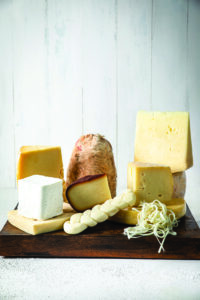
Here on the coast, “the iodized sea breeze and the wild thyme the animals graze on create that unique, creamy yet acidic balance,” explained Biber, who is also the first and only Turkish person to serve as a Super Jury expert at the World Cheese Awards. Looking more toward the Middle East end of Türkiye, the taste changes along with the color, giving the beyaz peynir a light greenish tinge.
As I moved along the coast on my trip, my cheese options only expanded. I had mousselike beyaz peynir at HUS Şarapçılık restaurant in Urla, Türkiye. The cheese here was light and airy, with a lemony brightness; it was served with sorrel.
At Mansion Restaurant located further inland, I indulged in Lor, a spreadable beyaz peynir served with peaches and pistachio. I perused a stall completely dedicated to white cheese at İzmir, Türkiye’s historic Kemeraltı Bazaar. At another spot, I had squeaky white cheese reminiscent of halloumi, a fried village-made white cheese, and a creamy, mild version with an ever-so-slight tang.
Biber calls Türkiye a “cheese paradise,” and I have to agree. It makes sense, too, considering the history of cheese in the country dates back to ancient Anatolian civilizations and Turkic nomadic tribes.
Türkiye has a long-standing tradition of animal husbandry, and what better way to preserve milk for long periods of time than by making beyaz peynir? It’s a complement to every meal. My only regret is that I couldn’t stay in Türkiye longer. Next time, I’ll head toward the Middle Eastern border and see what other wonders I can taste.