Deeply Traditional City of Puebla Offers Visitors Authentic Mexican Experience
Mexico City gets a lot of attention and with good reason. The capital city has a top-notch food and drink scene, modern and historic architecture and plenty to see and do. But it’s also become a hot spot for tourists. So if you are looking for someplace a little more off the beaten path, you may want to visit Puebla. The fourth-largest city in Mexico, Puebla is located about two hour from Mexico City. Depending on the length of your trip, you might be able to squeeze in both.
Chuck Huggins from Fósforo Agave Spirits spends a good amount of time in Mexico for his tequila and mezcal brand. He has fallen in love with what he describes as a cool Spanish city that feels like San Miguel without being overrun by tourists.
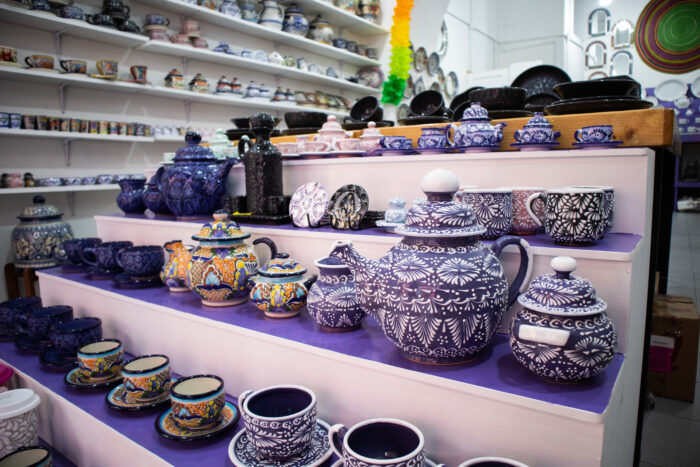
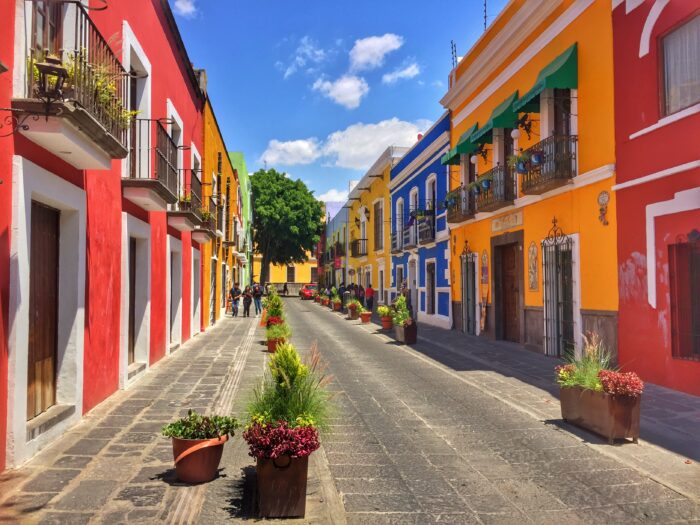
You may be familiar with Puebla—even if you don’t think you are—from its famous Talavera pottery, a handcrafted type of tin-glazed ceramic painted in bright primary colors. Some of the most classic versions are in cobalt blue, but as time passed, the Mexican council that regulates Talvera pottery allowed the use of yellow, black, green, orange and mauve. Puebla’s vibrancy is largely due to the pieces of the pottery that can be found throughout the city in its architecture, on restaurant tables and, of course, sold in stores.
A UNESCO World Heritage Site
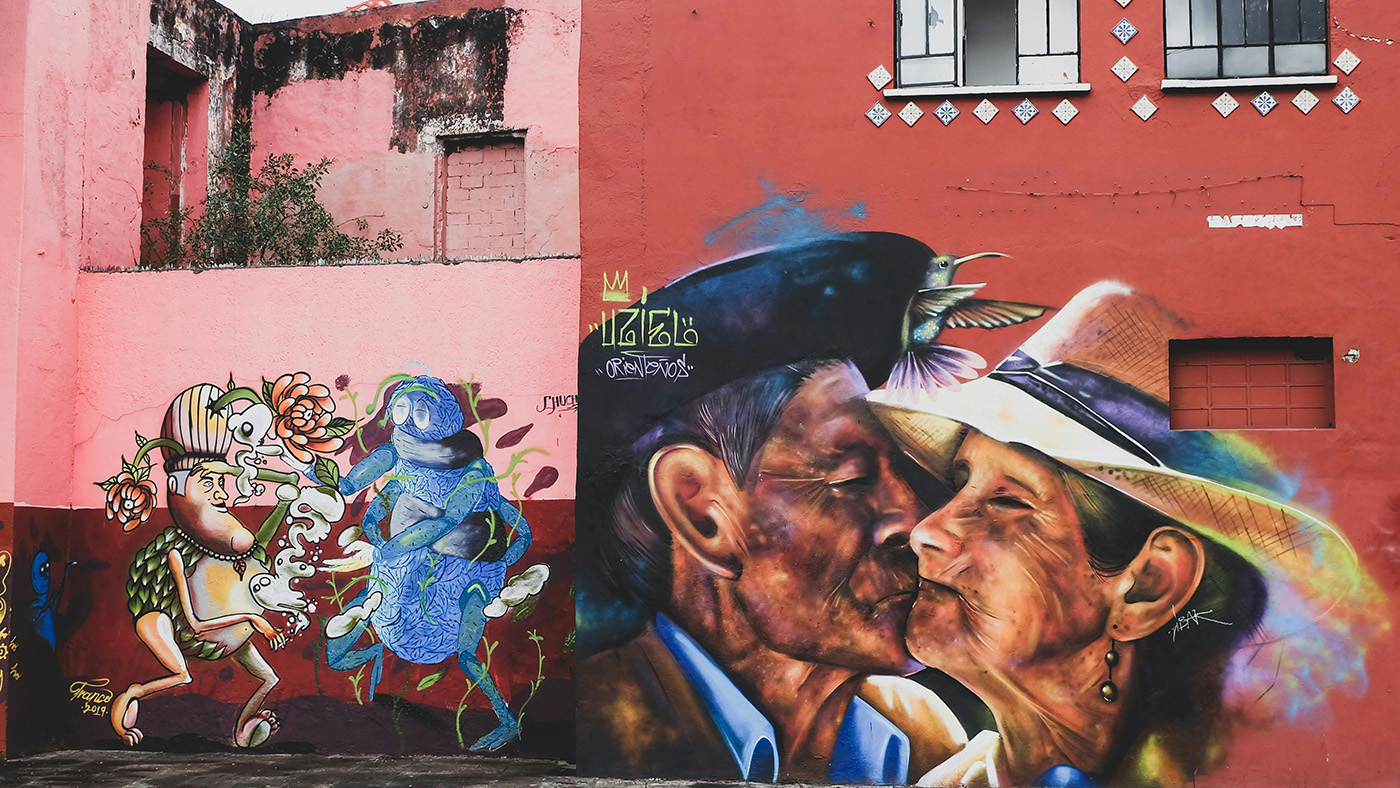
The city center of Puebla is a UNESCO World Heritage Site. Centro Historico, as it’s called, is filled with plenty for the senses, from colorful architecture to grand cathedrals, as well as lots of public art and many bustling, fine dining restaurants. Founded in 1646, Biblioteca Palafoxiana in the city center is considered to be the first public library in the Americas.
Puebla is a city of churches, with more than 250 found throughout. You won’t be able to miss the Basilica Cathedral of Puebla located in the center square. Also a UNESCO World Heritage site, the large cathedral features two towers each nearly 230 feet tall. The inside is filled with a beautifully intricate design, and it is a must visit even if you aren’t religious.
Tons of great markets are available, too, which include traditional food stalls abounding with produce and open-air vendor booths selling pottery, clothing, trinkets and souvenirs.
Puebla also hosts lively festivals, such as a Cinco de Mayo festival, celebrating the actual heart of the holiday when the Mexican army defeated the French army in Puebla in 1862. The event features a big parade and battle reenactments, plus an abundance of music, dancing and food.
What To Eat
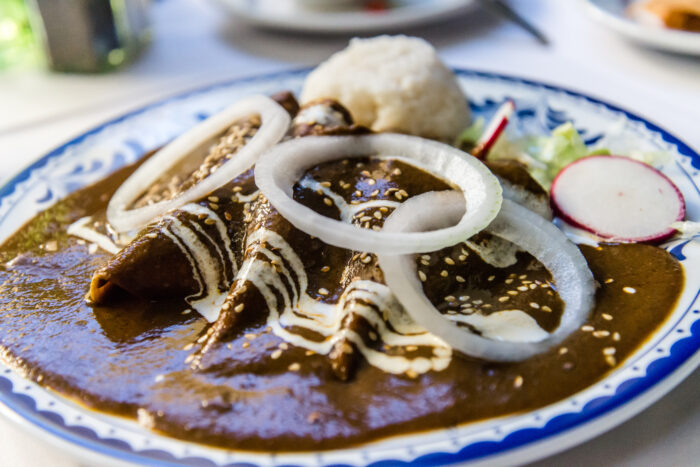
Speaking of food, Puebla is well known for its mole, which is a complex, slightly sweet and savory thick sauce that must simmer for hours. It’s widely accepted as the national dish of Mexico, but Puebla is often credited with creating the sauce’s most popular variety, mole poblano. It takes days to make and often includes 20-plus ingredients. It’s made both in home kitchens and in restaurants around the city—very famously at El Mural de los Poblanos and other spots. It’s most often served over chicken, turkey or pork, then topped with sesame seeds.
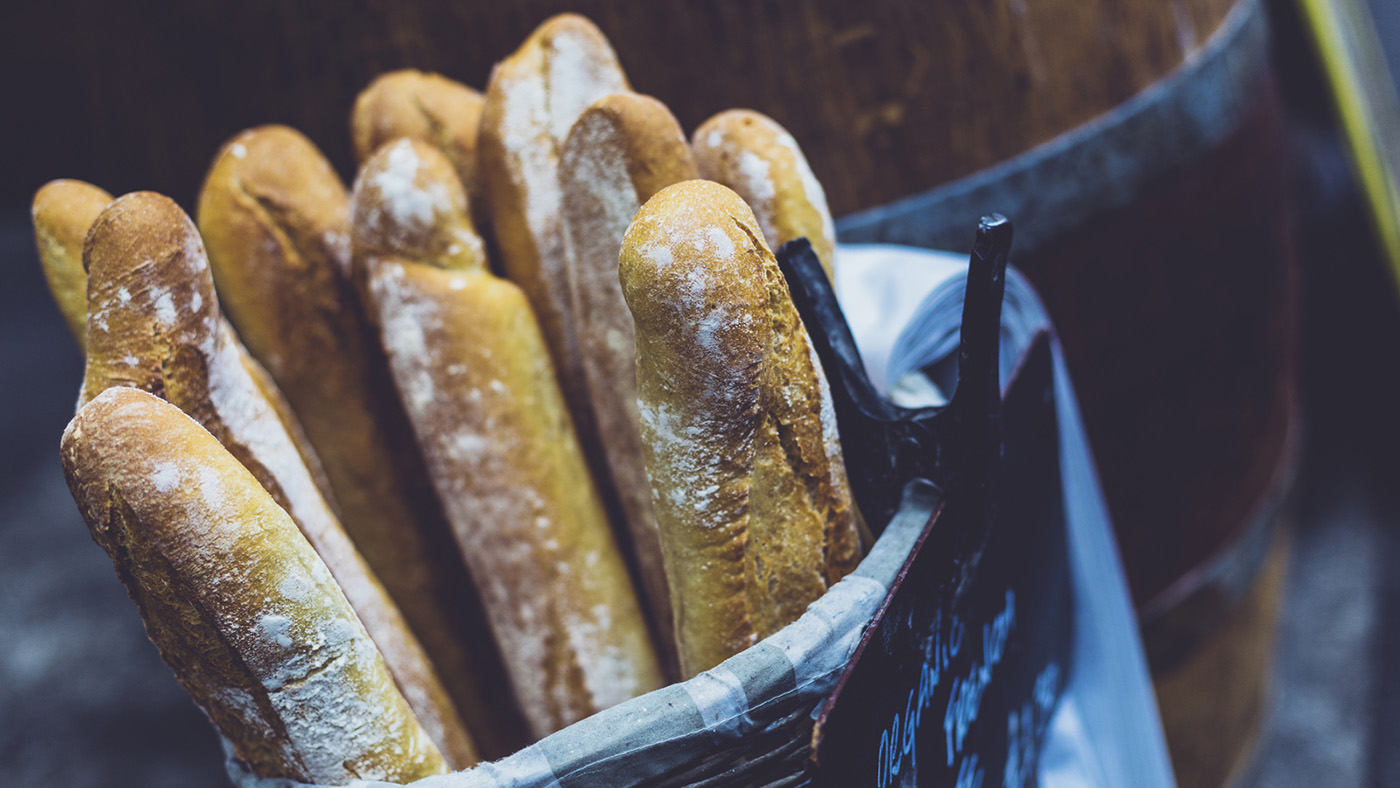
Don’t bypass the sweets; there are plethora of panaderias, or bakeries, in the city. Many have been there forever, and others are more modern. Grab a pan dulce (sweet bread) or a cemitas, a popular, hearty Mexican sandwich, which originated in Puebla, that’s made on a sesame-seed-crusted bread roll.
And of course, exploring mezcal is a really cool part of visiting Puebla, and Huggins knows just where to go. The mezcaleria (bar or restaurant that specializes in mezcal) Miel de Agave is home to so many incredible varieties. Cozy up to the bar like you would at a wine tasting and sample 10 or so to get a true taste of the variety and depth of options.
A visit to Cholula
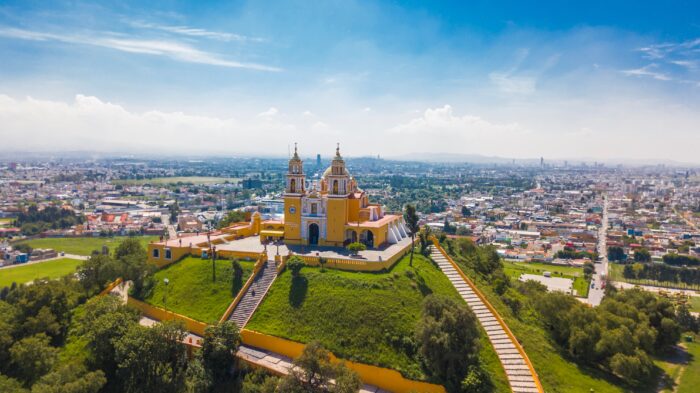
No trip to Puebla would be complete without the 30-minute trip to see the archaeological site of the Aztec pyramid of Cholula. It’s the largest pyramid by volume—much of it is underground—and visitors are able to explore both its exterior and 5 miles of underground tunnels. A church sits on top of the pyramid, providing sweeping views of the city.