The Swatch ‘Royal Pop’ Frenzy and the New Rules of Desire
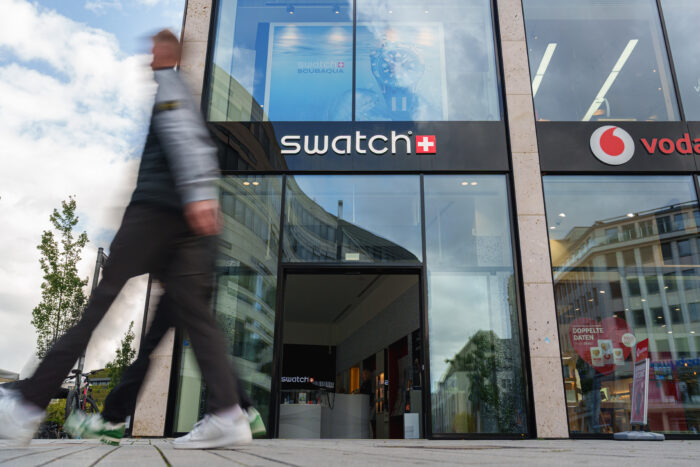
The scenes outside Swatch stores this past weekend looked more like Black Friday on steroids than a Swiss watch launch. In Milan, security guards held back crowds as eager customers pressed against the front windows of the store’s three locations. In Tokyo, stores shut down after running out of inventory within hours. In New York, lines stretched around city blocks. All for a $400 plastic watch.
The collaboration between Swatch and Audemars Piguet’s iconic Royal Oak has rewritten the rules of exclusivity—and revealed how our relationship with luxury continues to evolve.
Numbers Don‘t Lie
The original Audemars Piguet Royal Oak retails for upwards of $20,000—often reaching $250,000 or more for unique models. Yet the Swatch x AP “Royal Pop” collaboration, priced at $400-$420, generated more consumer frenzy in 48 hours than most luxury launches seen in months. Industry sources report that some Swatch locations sold their entire allocation of 500-plus units within the first two hours of opening.
Within hours of the launch, resellers on StockX and eBay were flipping the watches for $2,000-$5,000—a markup that would make the most ardent collector pause.
The Swatch x AP Royal Pop joint effort isn‘t an isolated phenomenon. H&M’s 2005 partnership with Stella McCartney set the standard for this model, creating overnight camping scenes, selling out globally within days, and helping H&M see a 23% increase in net profit that year. More recently, Target‘s coordination with luxury brands such as Diane von Furstenberg have repeatedly crashed its website and emptied store shelves, while the ongoing Jonathan Adler x Michaels collaboration has democratized high-end home design for mainstream consumers.
Democratization Paradox
I‘ve been covering the luxury sector for more than 20 years, and the transformation has been substantial. The old model—where exclusivity meant high price tags and limited availability—has been completely dismantled. Today’s consumers don‘t just want the product; they want the narrative, the cultural significance and an increasingly accessible way in.
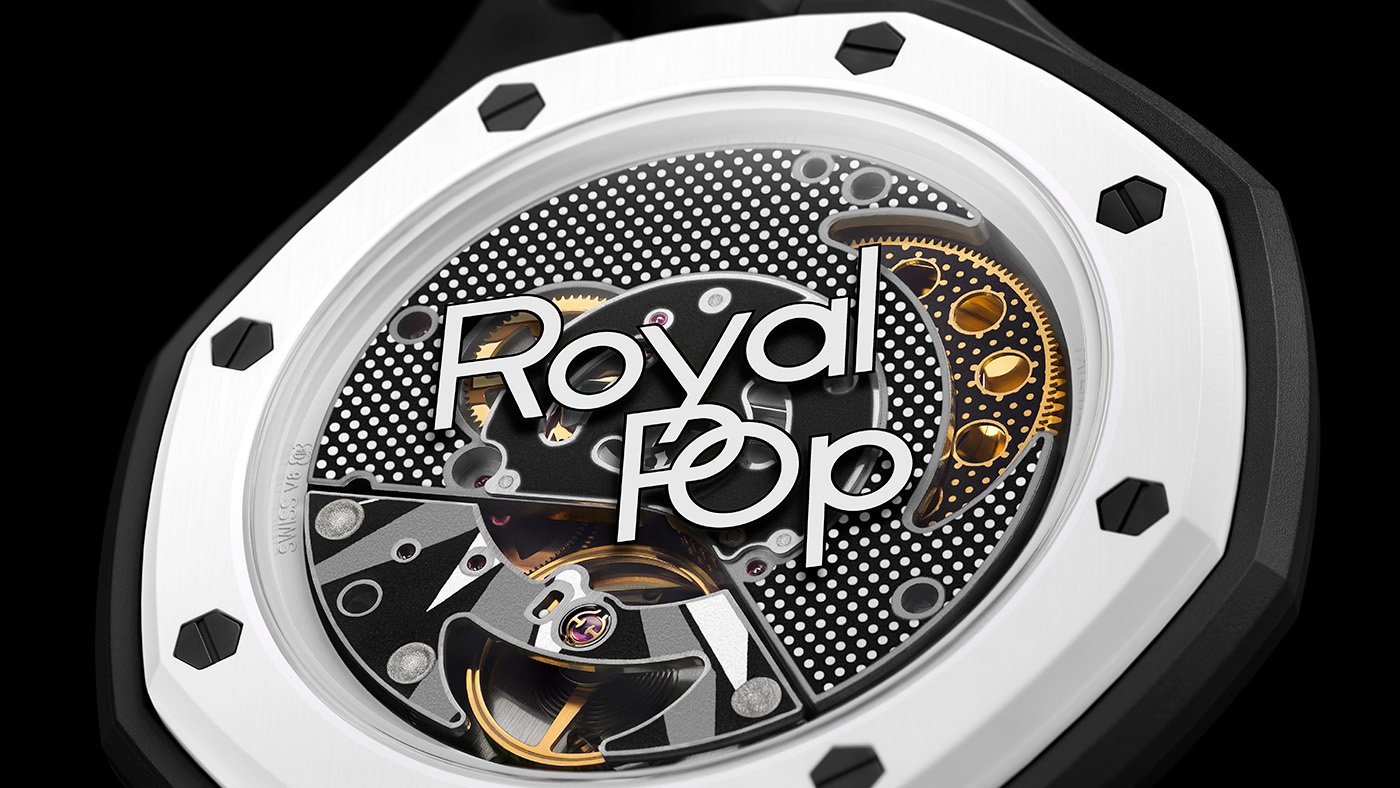
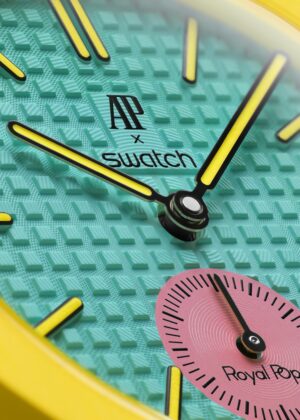
What Swatch achieved was brilliant in its approach: It maintained the Royal Oak‘s iconic octagonal bezel and “Tapisserie” dial pattern while stripping away everything that made it financially inaccessible. The result wasn’t a cheap imitation—it was a unique entryway into the world of AP.
The brand’s strategy reflects a broader shift in the upscale market. According to Bain & Company’s latest luxury market report, 75% of high-end purchases are now made by consumers under 35, including 30% from Gen Z buyers who prioritize experience and cultural relevance over “flex.”
The Instagram Economy of Desire
The Swatch frenzy also highlights how social media has significantly altered luxury consumption patterns. Before the Instagram era, luxury was about quiet confidence and insider knowledge. Today, it’s about virality and cultural participation.
The Royal Pop’s genius lies in its visual punch. It captures the unmistakable Royal Oak aesthetic—that iconic octagonal bezel and integrated bracelet design that’s instantly recognizable. For a generation that measures value in likes and cultural capital, having that distinctive AP look on your wrist matters more than the precious metals and mechanical movements that traditionally defined luxury watchmaking.
This mirrors what we’ve seen with other successful collaborations. When H&M partnered with designers like Versace and Balmain, customers weren’t just buying clothes—they were buying into a narrative that previously required five-figure investments. The clothes might be worn for a season, but the social media content lasts forever.
Supply Scarcity Strategy
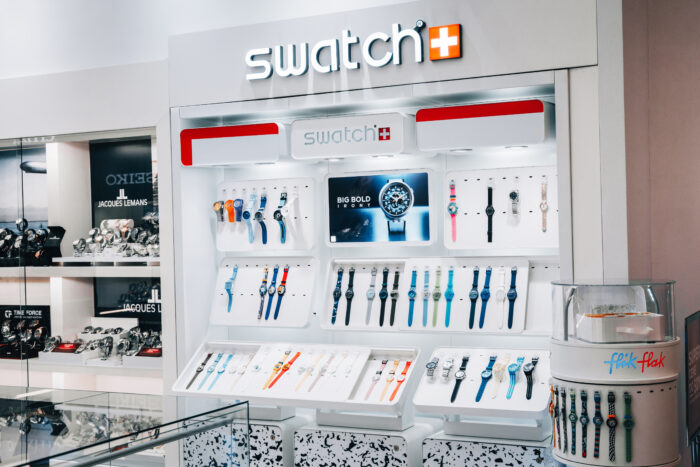
What’s particularly fascinating about the Royal Pop launch is how Swatch managed scarcity. Unlike traditional luxury brands that create exclusivity through high prices and limited production, Swatch created artificial scarcity through controlled distribution. The watches are only available in physical stores, not online—a deliberately analog approach in our digital age.
This strategy has precedent in streetwear culture from which Supreme built a billion-dollar brand through weekly drops and limited quantities. But applying this model to Swiss watchmaking represents a calculated shift. Audemars Piguet, founded in 1875, has never needed to create artificial demand. The Royal Pop collaboration suggests even heritage luxury brands recognize that traditional exclusivity models are no longer sufficient to capture younger consumers.
What This Means for Luxury’s Future
First of all, cultural relevance now trumps heritage. A 150-year-old Swiss watchmaker suddenly became the center of internet conversation not because of horological innovation, but because it understood the mechanics of modern attention. Luxury is no longer just about craftsmanship—it is about participation.
Secondly, accessibility no longer dilutes desirability. For decades, luxury brands feared that lower-priced collaborations would erode prestige. Instead, the opposite has happened. These partnerships act as gateways, creating aspiration rather than diminishing it. The consumer who buys a $400 Swatch today may very well become the customer who buys a six-figure Audemars Piguet tomorrow.
Lastly, the lines between streetwear, luxury, and mass market have permanently blurred. The drop culture once associated with sneaker heads and skate brands is now influencing legacy maisons. Consumers increasingly move fluidly between Zara and Zegna, Supreme and Sotheby’s, Costco and Cartier. Taste is no longer defined solely by price point but by curation, storytelling and timing.
In an era defined by economic uncertainty, younger consumers still crave luxury—but many are redefining what luxury means. Ownership matters less than access. Status is increasingly performative, digital and fleeting. A viral moment can hold as much value as a permanent investment piece.
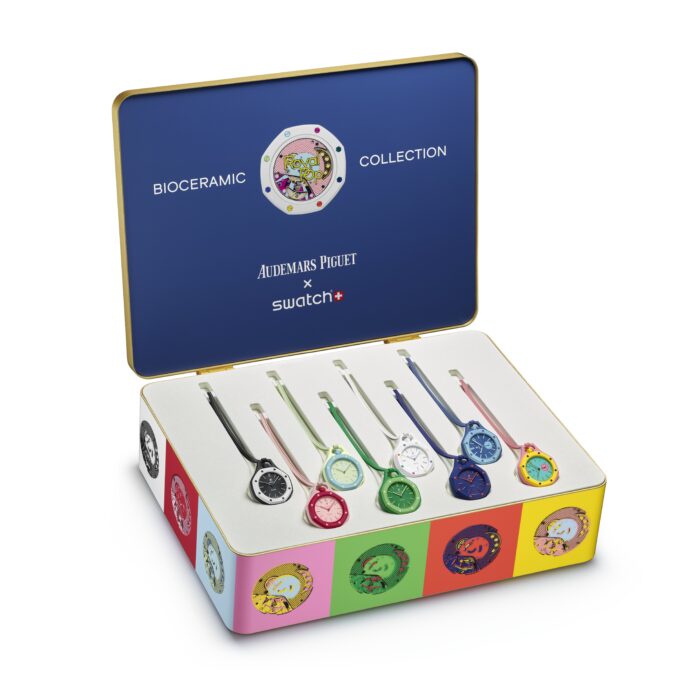
The irony, of course, is that partnerships like the Swatch x AP Royal Pop simultaneously democratize and reinforce exclusivity. Millions may now feel connected to the Royal Oak mythology, but the original watch becomes even more culturally elevated as a result. The collaboration doesn’t weaken the brand—it elevates it.
Luxury has always been about desire. What has changed is how desire is created.
It is no longer cultivated quietly behind velvet ropes and private salons. Today, desire is manufactured in comment sections, TikTok unboxings, Discord groups and viral videos outside storefronts. The waiting line itself has become part of the product. The spectacle is no longer adjacent to luxury; it is luxury.
And perhaps that is the real lesson of the Swatch Royal Pop frenzy. The future of luxury belongs not necessarily to the rarest object, but to the brands capable of making consumers feel culturally included, even momentarily, in something that still feels like arrival.