The Stained Glass in Cuenca Cathedral Is at Least 700 Years Newer Than the Building Itself
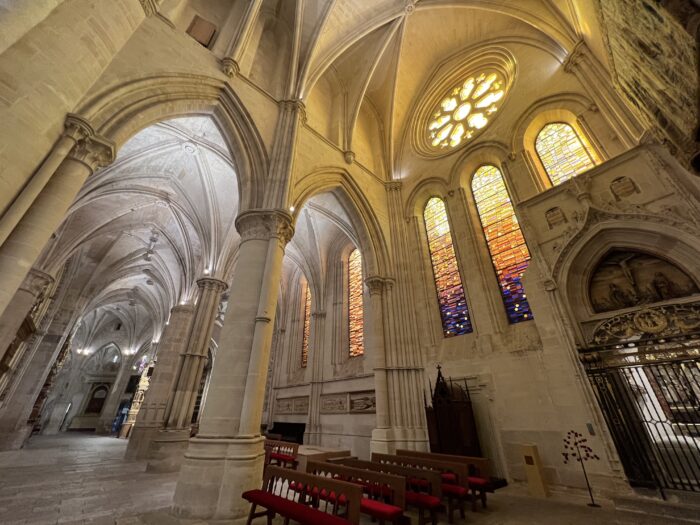
The Cathedral of Saint Mary and Saint Julian in Cuenca, Spain, was built in the 1200s—and it looks like it. The Roman Catholic church, also known as the Cathedral of Cuenca, is an imposing stone building with monumental, ornate decorations inside. But if you glance up at the windows, you’re in for a surprise.
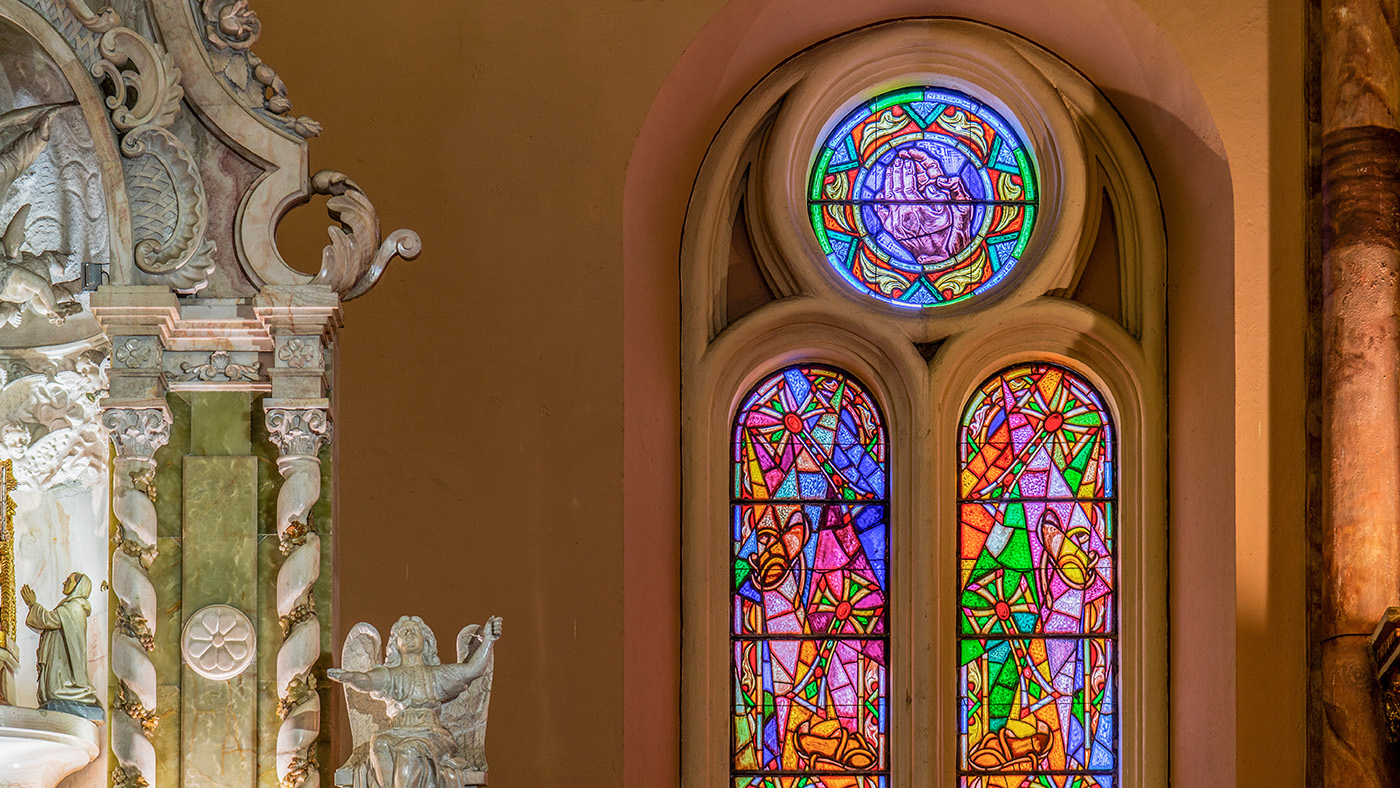
Instead of having the usual stained-glass windows depicting images of Jesus, the saints and biblical narratives, you’ll find colorful swoops and swirls created from vibrantly hued shards of glass combined into art pieces that cast patterns of abstract light across the stone floors. As the sun moves through the sky, the colors and patterns shift, shining a new light on the notion of a stereotypical Gothic cathedral from the Middle Ages.

These modern art stained-glass windows were a natural choice for both Cuenca and the cathedral as they are a blend of the church’s previous aging windows with the rich history of modern art in the city itself.
The cathedral had fallen into great disrepair over the length of its existence. It had aged to the point that the bell tower completely collapsed due to a lightning strike in 1902, trapping the bell-ringer’s daughter and several other children. Tragically, only three of the victims survived the disaster. Restoration efforts focused on the bell tower for a time, neglecting the windows, which weren’t great to begin with. The stained glass was low-quality and the color was virtually clear.
At last, in 1990, the leadership of the cathedral launched a four-year program to replace the aging windows with new, modern art versions. Cuenca itself has had a long history of art innovation; many historic buildings—including the city’s iconic Hanging Houses—have been retrofitted to include abstract art displays. One of the Hanging Houses was transformed in the 1960s into the current Spanish Abstract Art Museum.
Also during this era in Cuenca, modern and abstract artists moved to town and opened studios. These included Gustavo Torner, Gerardo Rueda, Fernando Zobel—whose collection of art was the opening collection of the museum—and Antonio Saura. The city has held its status as an abstract art hub throughout the decades, leading to the natural conclusion of installing modern art windows at the cathedral.
To create the windows, the cathedral’s leadership worked with four Cuenca painters and abstract artists: Torner, Rueda, Henri Dechanet and Bonifacio Alfonso. In their own abstract way, the windows were designed to represent creation, redemption and glorification—the three stages of the history of salvation.
Because the selected artists weren’t glaziers, they relied on an architectural company to translate their sketches into glass. Torner, who designed 15 of the windows, considered the job to be the equivalent of turning light into colorful air. His pieces represent, among other things, the Big Bang and the double-helix of DNA. Rueda created 12 circular art windows, each representing allegorical interpretations of Dante’s poetry. Dechanet worked on 30 windows representing the sun, the moon, conception and death. Alfonso’s 24 windows are all based on the book of Genesis.
All of the new stained-glass windows were fully installed in 1995. Today those windows connect the history of the Middle Ages in Cuenca with its newer, abstract roots. And they continue to carry the legacy of the legendary local artists whom the city produced and housed.