35th Anniversary of Iconic ’90s Film Is Celebrated With Fall Premiere of Musical Adaptation
Long remembered for its rebellion and iconic ending, the modern classic filmThelma & Louise endures because of something quieter underneath it: The intimacy of two women finally telling each other the truth.
“Bring tissues,” my friend replied when I told her I was finally watching the movie. The warning confused me.
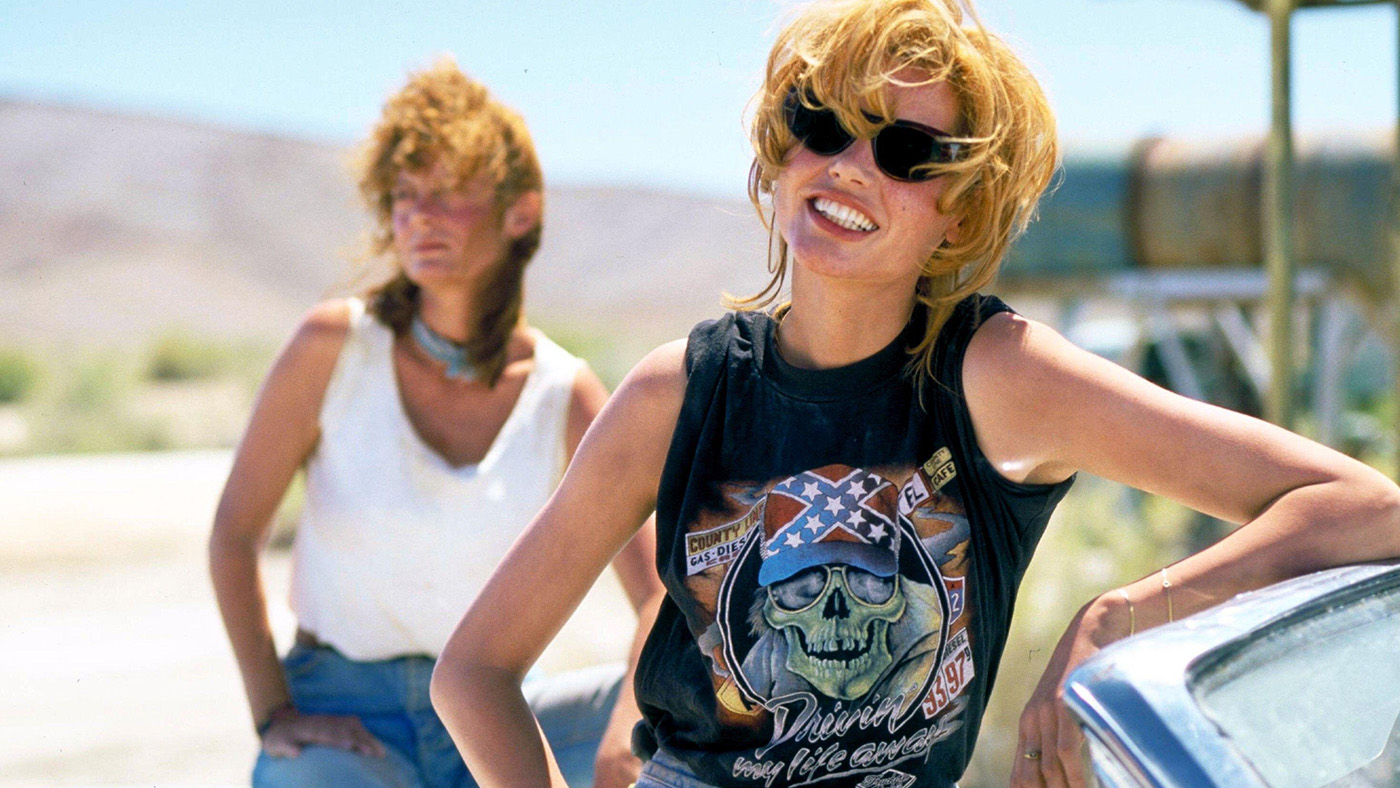
I knew the film only through its imagery: two women in a turquoise Ford Thunderbird convertible cutting through the desert landscape, scarves and red hair whipping in the wind. Its outlaw silhouette is familiar to most of us who have never seen the 1991 film.
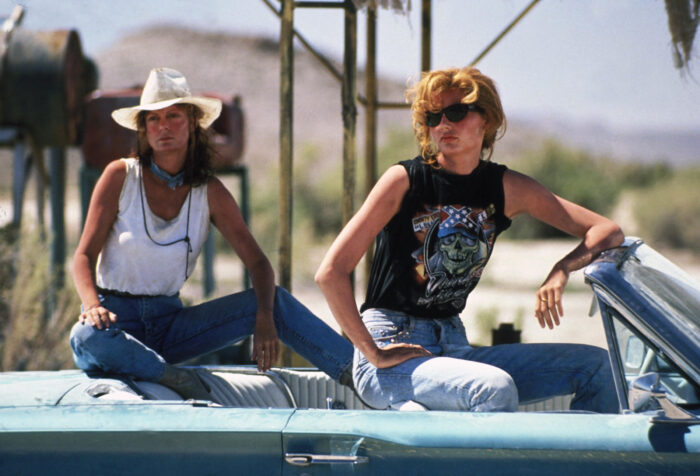
Having heard the same description many times from multiple media voices, I imagined a simple female version of Butch Cassidy and the Sundance Kid. Expecting rebellion, recklessness, a bit of humor and maybe even a little glamour, I settled in for movie night and was surprised when I watched it unfold.
Tenderness. Beneath the mythology of escape is a quieter story. From the very beginning, a waitress and a housewife, exhausted by daily life, juxtapose differing wants and needs as soon their weekend away begins. They compromise, first one relenting to the other’s preference and then the other doing the same. I was immediately drawn to the story of friendship. There was a give and take to it even before the plot turned toward outlaw justice.
Thelma and Louise—both haunted by prior trauma—do not really understand the other until they pass through the moment where there is no escape. They’ve kept secrets; even from each other. The film shows how women anticipate disbelief before they speak.
Long before #MeToo gave us conversations about credibility and power, Thelma & Louise held up a mirror. It showed how half the world was dealt no real choice. Louise understands society’s rules, answering Thelma’s plea to just go home to the police with that stark unfinished statement: “They’ll say ….”
But I saw something else. I saw that it was only in their run from the law that the friends became fully honest with each other. And joy was inside that intimacy. The women laugh one moment and protect each other the next. The shifting emotional gravity between them shows as strength passing back and forth.
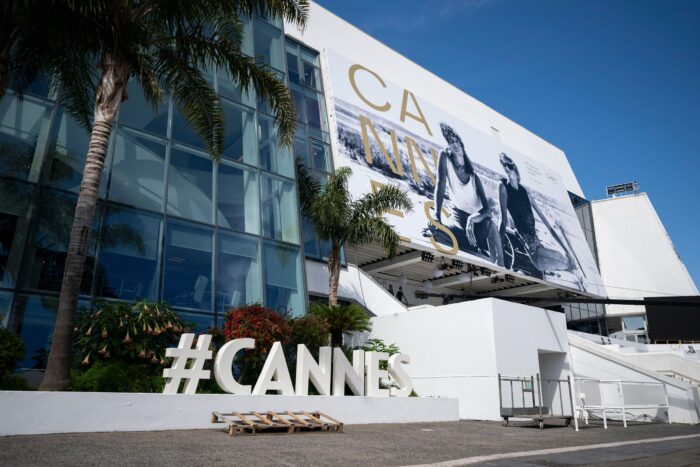
When the Cannes Film Festival chose to honor the film’s 35th anniversary on this year’s official poster, it did not select the famous freeze-frame ending of the Thunderbird suspended in midair. Instead, Cannes chose a black-and-white, behind-the-scenes photograph of Susan Sarandon and Geena Davis sitting together inside the car.
That choice feels revealing. There is no speed in this image. No motion at all. Cannes describes its stillness: “In a white tank top and a nonchalant pose, Louise locks eyes with us and challenges us with her gaze. With a revolver in the back pocket of her jeans, Thelma scans the horizon from behind her sunglasses.”
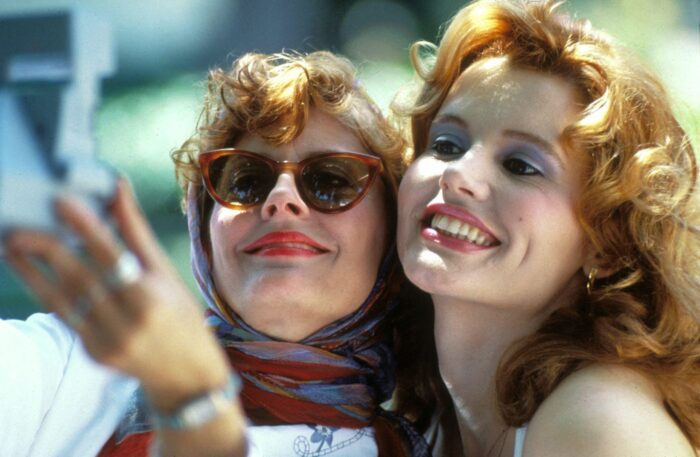
After three-and-a-half decades, we are still returning to these women. Not simply because of the outlaw mythology or the iconic ending but because something unresolved still lives beneath the story. Thelma & Louise understands that friendship can become a kind of refuge; a place where honesty finally emerges after performance falls away. The women not only laugh together and look out for each other, they also disappoint each other and ultimately become fully seen by one another.
This fall, the story will return yet again—this time as a stage musical in London. Another generation interpreting these women. Another attempt to understand what still echoes inside their flight.
Maybe that is what allows a film to endure. Not just cultural symbolism but emotional recognition.
The question may be whether we believe them now.