Lighting Up the Night With the Explosive Spirit of Celebration Dating Back Thousands of Years
Fireworks are a staple of Independence Day celebrations—a tradition taking on even greater significance this year as the United States marks its 250th anniversary.
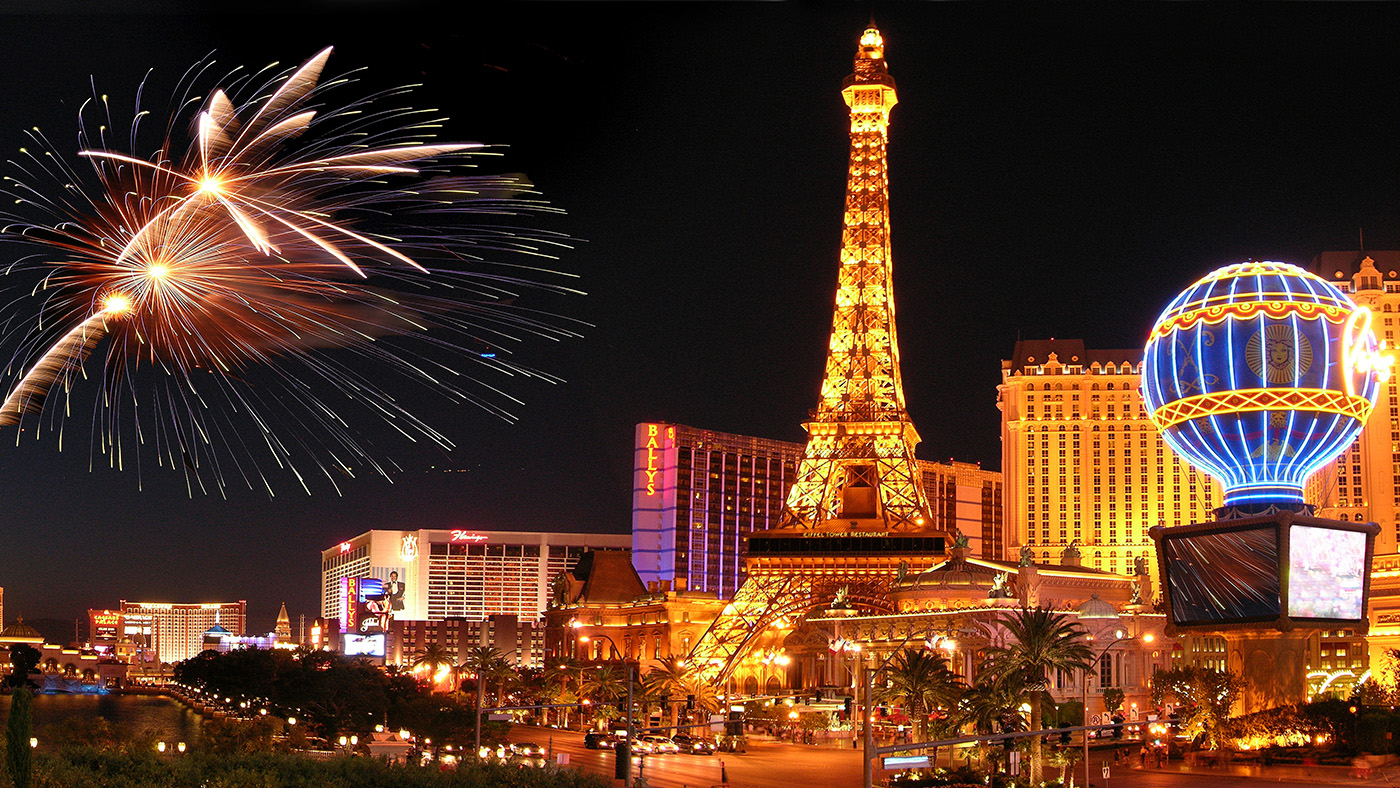
On the Fourth of July, Washington, D.C. will host one of the largest displays in the country with 850,000 fireworks shells launched from 10 sites above the National Mall. Nashville, Tennesee, is holding a two-day music celebration, July 3-4, that will wrap up with a synchronized production featuring 1,000 drones and live symphonic music. Not to be outdone, Las Vegas is living up to its reputation for indulgence with eight straight weekends of fireworks displays every Saturday that began June 6 and conclude July 25.
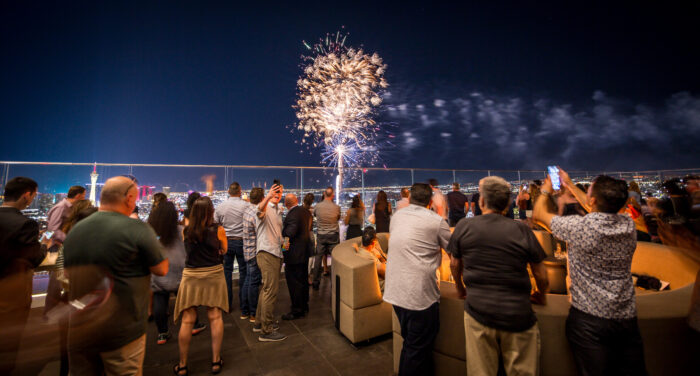
Even smaller communities are getting in on the holiday action, including the St. Louis suburb of Alton, which is hosting a three-day festival on the Mississippi River with historical reenactments and the “rockets’ red glare” lighting up the sky as a grand finale.
“Fireworks have been woven into America’s Independence Day celebrations since July 4, 1777,” said Julie Heckman, executive director of the American Pyrotechnics Association. “Two and a half centuries later, fireworks remain one of the nation’s most enduring symbols of patriotism and celebration.”
While fireworks are synonymous with Fourth of July festivities and the spirit of the red, white and blue, they’re not uniquely American—the appeal is universal.
“There is no language barrier in fireworks, and no age barrier,” according to London-based award-winning television reporter, producer and writer John Withington who authored A History of Fireworks From Their Origins to the Present Day.
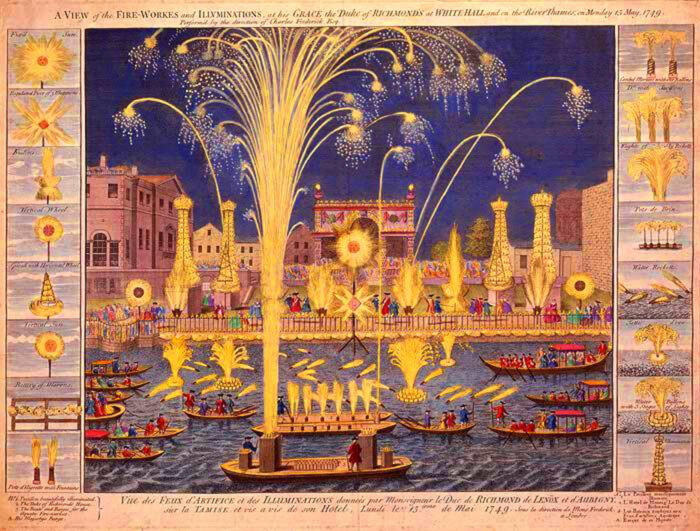
In this 2024 book release, Withington traces the origins of fireworks back thousands of years to China’s Han Dynasty when revelers discovered ways to color smoke. The concept evolved when hollow bamboo stalks were tossed into fires. As the air inside expanded, the wood exploded with a loud crack. Eventually, the Chinese began filling tubes with gunpowder, leading to the fireworks we recognize today.
Records show fireworks were used during a religious festival in Vicenza, Italy, as early as 1379. By the 15th century, colorful explosives were used to celebrate royal coronations, military victories and other momentous events across Europe. The most elaborate displays were hosted by the pope at the Castel Sant’Angelo fortress on the Tiber River in Rome.
“The earliest known major display in England came in 1487 for the coronation of Elizabeth of York, wife of King Henry VII,” Withington said. “This was a highly significant event because the marriage of the Yorkist Elizabeth and the Lancastrian Henry was designed to put an end to the 30-year civil war known to us as the Wars of the Roses.”
A century later, Queen Elizabeth I was so fond of fireworks that she created a royal position—Fire Master of England—to oversee the practice and establish it as a respected professional art form. When a plot to blow up Parliament was foiled in 1605, bonfires and fireworks were used to celebrate. To commemorate the failure of the attempt, Guy Fawkes Day, an annual holiday complete with huge bonfires and extraordinary fireworks displays was created and still continues to be observed in the United Kingdom and some Commonwealth nations.
The first known use of fireworks in what would become the United States had little to do with a festive atmosphere. British Captain John Smith set off fireworks in 1608 to intimidate Native Americans near Jamestown, Virginia. According to Smith’s account, the stunt worked, leaving tribes in awe of the spectacle.
Philadelphia celebrated the first anniversary of American independence on July 4, 1777, while the Revolutionary War was still raging. According to historians, the city celebrated with bells, bonfires, cannon fire and a grand fireworks display culminating with 13 rockets to represent each of the original colonies.
Over the next two centuries, fireworks marked milestones like the ratification of the Constitution of the United States of America; the inauguration of George Washington; the opening of the Erie Canal; the dedication of the Statue of Liberty; U.S. Centennial celebrations in 1876; and the U.S. Bicentennial in 1976—moments in history that “put the U.S. fireworks industry on the map,” according to Heckman.
As fireworks became a fixture of American festivities, the technology behind them evolved dramatically. Chemical discoveries in the 19th century helped create the fireworks displays we recognize today. Potassium chlorate made the colors more intense, while magnesium and aluminum brought out the brightness.
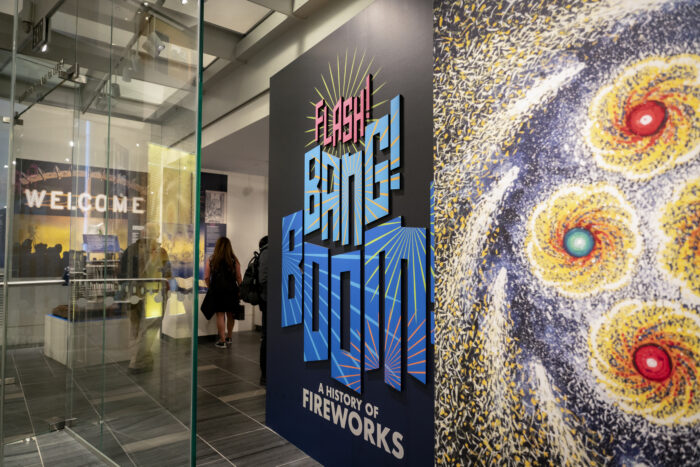
“For hundreds of years, fireworks would have been a yellow or orange color,” explained Jesse Smith, curator of the “Flash! Bang! Boom! A History of Fireworks” exhibit at the Science History Institute in Philadelphia and director of the museum.
“But the availability of new chemicals, along with new understandings of matter on a chemical level, provided pyrotechnicians with the materials and knowledge to experiment, test and develop new effects and most significantly, new colors, such as green, red and purple,” she continued.
As in all aspects of life, digital technology is playing a role as well.
“Over the past 50 years, professional fireworks displays have been transformed through advances in computerized firing systems, show design software, music synchronization, enhanced safety protocols and integrated multimedia productions, including drones, lighting, projection mapping and lasers,” Heckman said.
Yet the core appeal of fireworks never wavers.
“I’m often struck by just how collective and communal a fireworks show can be,” Smith added. “The experience of watching them is often the same for everyone in the crowd, despite their backgrounds or identities. Everyone at a fireworks show has access to the same visuals, which can’t be said for other cultural products and experiences.”
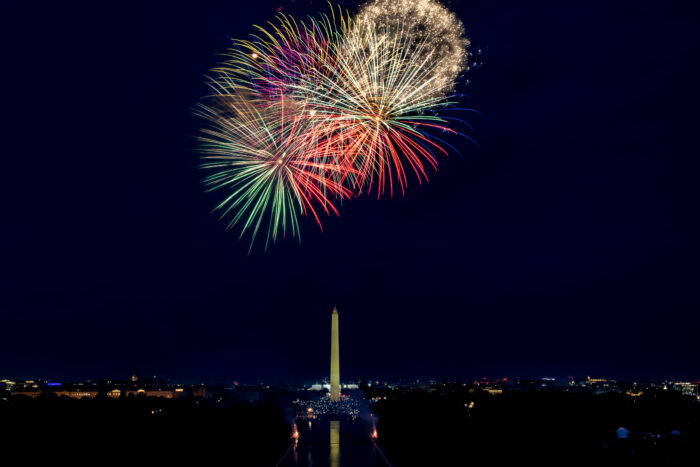
America has come a long way in 250 years. One day before the signing of the Declaration of Independence in 1776, John Adams, who would become the nation’s second president, wrote to his wife predicting that future generations would celebrate the occasion with parades, bonfires and “illuminations.”
Two and a half centuries later, fireworks remain one of the few traditions that connect modern celebrations to the country’s earliest days.