Why jewelry auctions are outpacing every other category in the luxury market
The luxury auction market is having a moment right now. While many traditional categories are struggling under economic pressure, the jewelry sector is quietly having a renaissance.
During the past year, we’ve witnessed the fine and decorative arts softening, and jewelry auctions accelerating—and that shift says a great deal about where wealth is moving and what people now value.
Auction houses are feeling the strain. Prices in long-established art categories continue to slip, forcing houses to rethink where stability originates.
Luxury sales have become a critical part of that strategy. Just four years ago, Christie’s began reporting “luxury” as its own category. Today, it’s one of the main engines keeping major houses afloat in a difficult market.
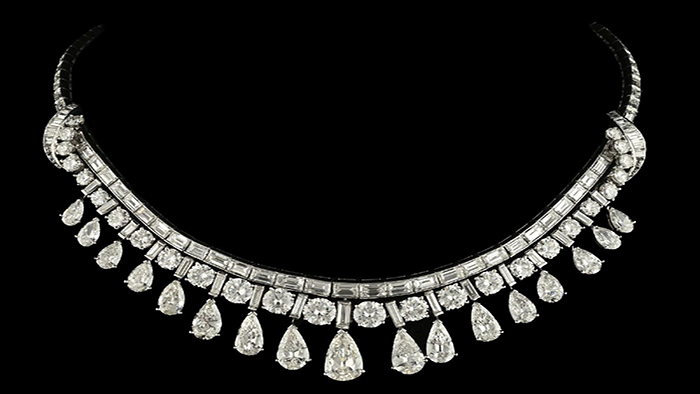
Designer jewelry is leading the charge. The global jewelry auction market is expected to grow from $3.5 billion in 2025, to $7.4 billion by 2033. That’s an annual growth rate of roughly 11%—more than double that of the broader jewelry industry.
This isn’t a short-term bump. It’s a structural shift driven by who is buying, how they’re buying and what they care about.
The most meaningful change isn’t happening only in Geneva and New York salesrooms. It’s happening with the bidders themselves.
Millennials and Gen Z now account for nearly 70% of luxury-market growth, and they’re placing much greater emphasis on ethics and origin.
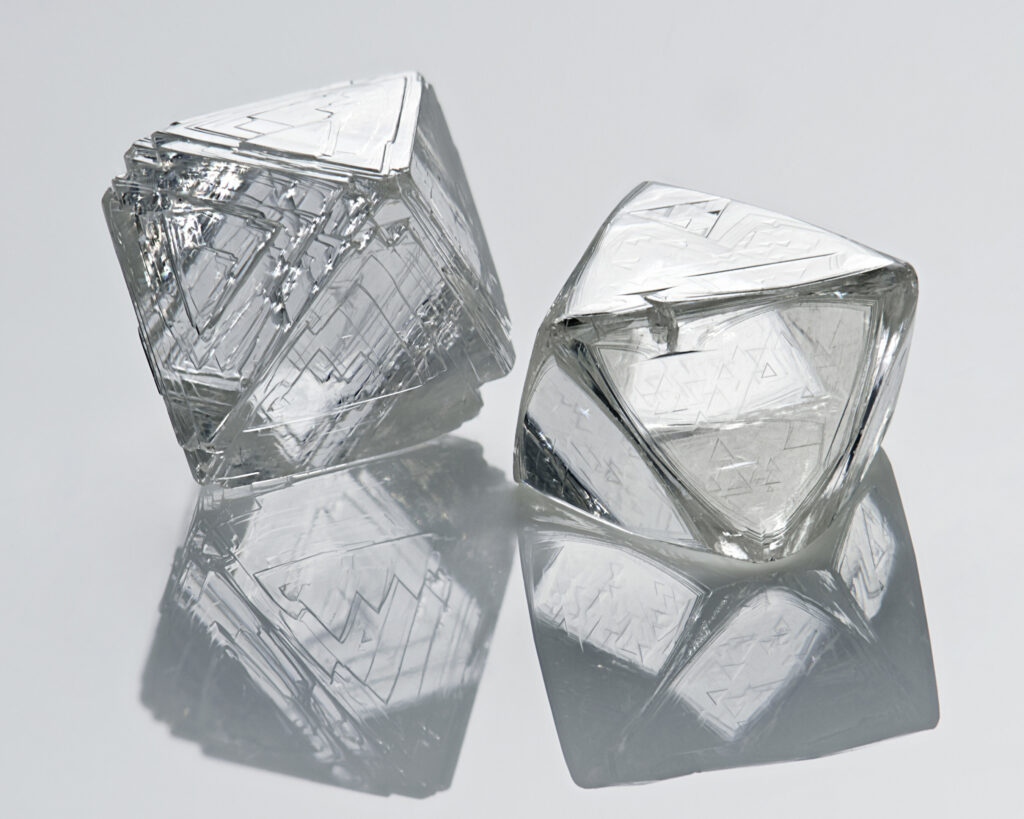
In 2025, nearly four out of five Americans said the provenance of their jewelry mattered to them—a sharp rise from just five years earlier.
That mindset is reshaping auction catalogs. Estate jewelry, pre-owned pieces and items with well-documented histories are outperforming expectations because they satisfy both luxury and environmental awareness.
For younger buyers, the secondary market isn’t a compromise; it’s the preference. One auction executive explained that natural diamonds recut into modern designs are seen as the smart choice. They offer greater value, a lighter environmental footprint and a far more compelling story.
At the same time, the way jewelry is bought has changed dramatically. Nearly 35% of jewelry auction activity now occurs online, and more than 80% of Christie’s bids are placed digitally.
Physical presence is no longer required. A collector in Singapore can compete in real time with a bidder in São Paulo for a seven-figure piece.
Thanks to advances in technology, buyers are now comfortable spending serious money from behind a screen. The result is a market that’s larger, more competitive and truly global.
Asia currently accounts for roughly a quarter of the world’s jewelry auction market, with Hong Kong and Singapore regularly recording sales exceeding $100 million.
This growth isn’t simply about new wealth entering the space. It’s also being driven by increasingly sophisticated collectors building focused, historically grounded collections.
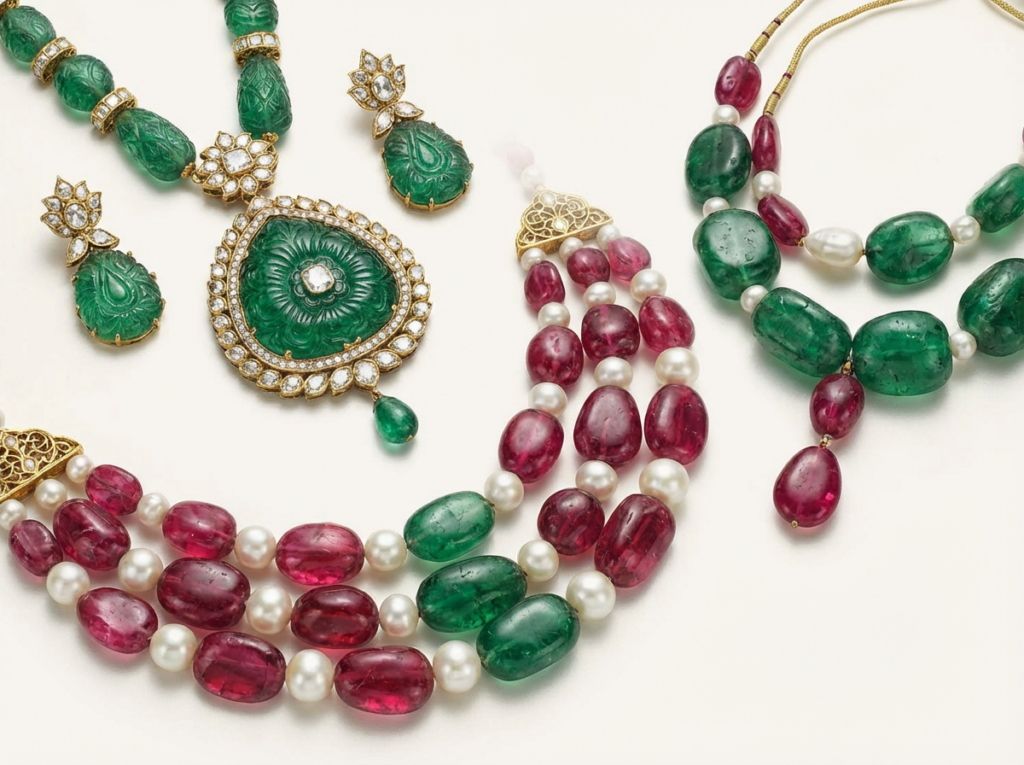
Markets in China, India and Southeast Asia are shaping global taste. The renewed demand for Mughal jewelry is a striking example. Exceptional prices have encouraged local collectors to reclaim their cultural heritage.
At the same time, this is introducing Western buyers to traditions beyond the European canon. The result is a far more balanced global market than existed even a decade ago.
Few developments capture the industry’s transformation as clearly as the rise of lab-grown diamonds. The global market is expected to reach $33.54 billion in 2026.
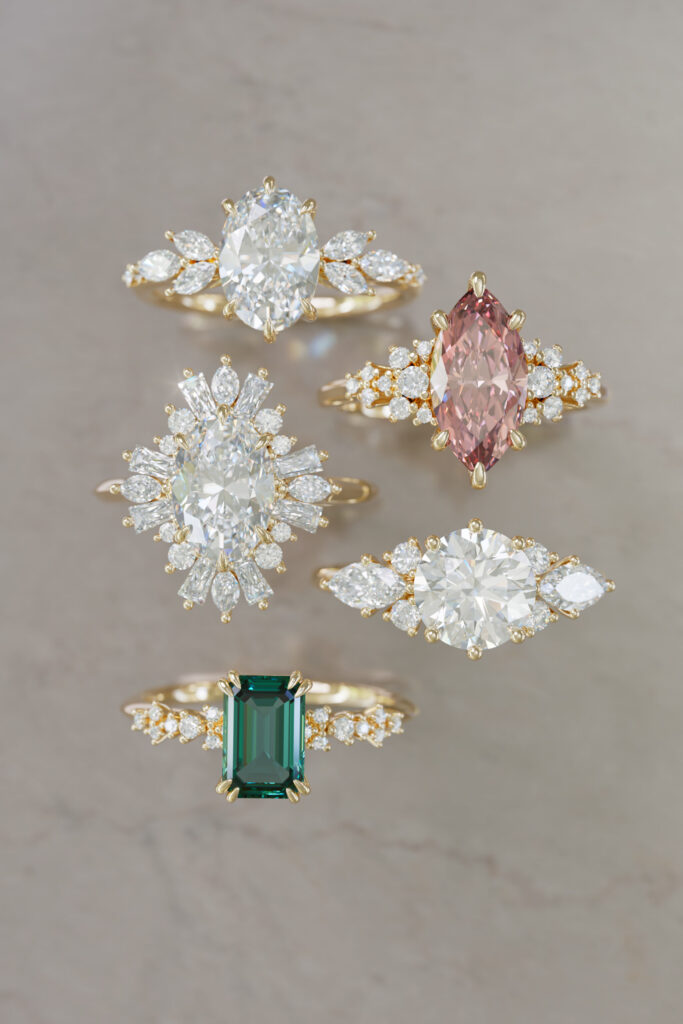
In the United States, more than a third of engagement rings now feature lab-grown stones—up from just 8% in 2020.
Early forecasts framed lab-grown diamonds as a threat to natural stones. Instead, the two markets have settled into a kind of symbiosis.
Lab-grown diamonds are bringing younger buyers into the category, many of whom eventually gravitate toward natural stones—particularly rare or historic examples. This is further increasing demand for authenticated, one-of-a-kind pieces.
Diamonds have long shown resilience during economic downturns, in part because they span a wide range of price points. It’s also because they are portable, wearable and emotionally charged in ways few assets can match. Those qualities transcend logic and carry global appeal.
Even recent U.S. tariffs introduced in April 2025 had little effect on this segment. Estate and pre-owned jewelry were already insulated, giving auction houses a distinct advantage over newly produced retail-grade, diamonds.
At the same time, a massive transfer of wealth from Baby Boomers to Gen X and Millennials is underway, fueling auction activity.
Inheritors aren’t keeping their parents’ jewelry solely for sentimental reasons. Many are selling pieces and reinvesting in objects that align with their values and aesthetics. It’s a cycle that auction houses are well positioned to support.
The jewelry auction market today looks nothing like it did just a few years ago. Technology has opened global participation, driving prices higher and attracting exceptional consignments.
These in turn draw more informed and selective buyers who are demanding transparency, ethical clarity and credible expertise. Trust has become currency.
Auction houses have responded by offering more than transactions. Education, editorial-quality content, and authoritative insight into origin and ethics are now central to their value proposition.
This is especially prevalent during periods of economic uncertainty, when tangible assets with clear histories feel safer and more meaningful.
What’s clear in watching this market evolve is that jewelry auctions aren’t waiting for the moment. They’re actively reshaping how a new generation understands ownership, investment and luxury itself.