A Guide That Every Modern Pet Owner Should Embrace
You might expect a trainer’s dogs to always behave perfectly, but sometimes you just have to let them be their perfectly “doggable” selves. The important thing is for them to know that butt sniffs and barking are not invited to every party.
Embracing new pet etiquette is about creating a harmonious environment for pets and people alike. By practicing good manners, you not only enhance your pet’s behavior but also contribute positively to you and your pet’s community.
As society evolves, so does our relationship with pets. With more people working from home and the rise of pet-friendly spaces, understanding and practicing proper pet etiquette has never been more important. As a responsible pet owner, it’s essential to stay informed and adapt to these emerging norms, ensuring that everyone can enjoy the company of our furry friends. STNDRDS takes a comprehensive look at the new pet etiquette that every pet owner should embrace.
Socializing Your Pet
Socialization is crucial for a well-behaved pet. This involves properly exposing them to various environments, people and other animals. Proper socialization helps reduce anxiety and aggression in pets and the people they interact with.
Start Early: Puppies and kittens are naturally more adaptable. Begin socializing them as soon as possible. This includes newly adopted pets, regardless of their physical age.
Use Positive Reinforcement: Encourage good behavior with treats and verbal praise when your pet interacts well with others.
Leash Manners
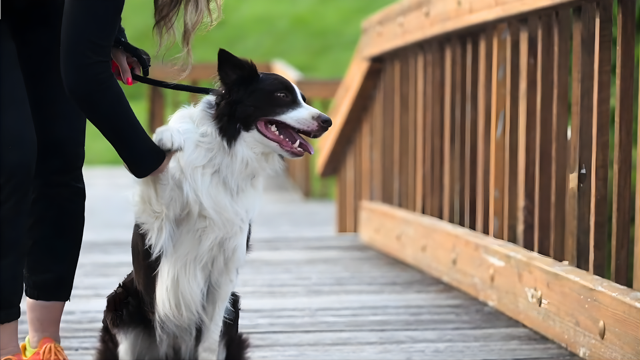
In an increasingly pet-friendly world, many owners are taking their dogs to parks, cafes, shops and airports. Ensuring your pet is well-mannered on a leash is essential.
Practice Loose Leash Walking: Start by teaching your dog to walk beside you without pulling at home. It’s a safe place with less distractions. This makes outings more manageable and enjoyable.
Be Mindful of Space: Not everyone is comfortable around dogs. Keep a respectful distance from others, especially if they seem hesitant.
Clean Up After Your Pet
A significant aspect of pet etiquette revolves around cleanliness. Cleaning up after your pet shows respect for your community and other pet owners.
Always Carry Waste Bags: Be prepared to clean up after your pet during walks. This simple act maintains a pleasant environment for everyone.
Dispose of Waste Properly: Use designated bins for pet waste or dispose of waste bags after returning home to avoid unpleasant odors and hygiene issues.
Respecting Other Animals
When interacting with other pets, it’s important to be considerate of their space and comfort levels.
Ask Before Approaching: Always ask the owner for permission before petting someone else’s animal. Some pets may be shy or anxious—or worse. Be courteous by asking first.
Observe Body Language: Recognize signs of discomfort in other animals, such as growling or backing away, and give them space. If you have no idea what these are, simply do your research to learn the signs prior to interacting.
Create a Safe Environment
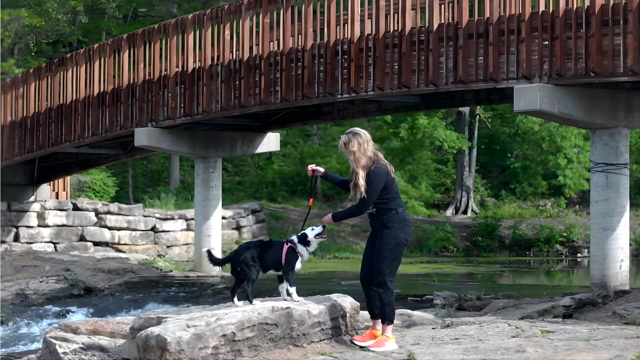
Whether at home, in a park or at a pet-friendly establishment, creating a safe space for your pet and others is vital.
Secure Your Pet Properly: Ensure your pet is safely restrained, whether with a proper leash, harness, carrier or fence.
Avoid Leaving Pets Unattended: Never leave your pet in a car, even for a short period, as temperatures can rise quickly and become dangerous. Never leave your pet on a patio or in a backyard unattended—especially if they are wearing a collar that could get caught on an object.
Training and Obedience
Investing time in training your pet is one of the best ways to practice and eventually exhibit good etiquette. It’s definitely an investment that will pay off in the long term.
Basic Commands: Teach your pet essential commands like focusing on you; making eye contact when asked; following sit, stay and come commands when requested. These commands can prevent misunderstandings in public settings.
Regular Training Sessions: Consistent training helps reinforce good behavior and strengthens the bond between you and your pet.
Be Mindful of Allergies and Phobias
Not everyone loves pets as much as we do. Be considerate of others’ allergies and/or fears. Many people may have had uncomfortable or even damaging experiences with pets than we may be aware of.
Keep Your Distance: If you know someone has allergies or a fear of animals, keep your pet at a safe distance.
Groom Regularly: Regular grooming reduces shedding and dander, making your pet more tolerable for those with allergies. Regular grooming also can help relax your pet.