What the Kentucky Derby reveals about time, legacy, and the long game
Every year, on the first Saturday in May, more than 150,000 people flock to Churchill Downs for an over-the-top spectacle that lasts just over two minutes. On the surface, the Kentucky Derby might seem all about the glitz and glam: flashy hats, bourbon, and celebrities. But the real story is about discipline. It’s about time, patience, and a kind of long-term preparation that feels foreign these days.
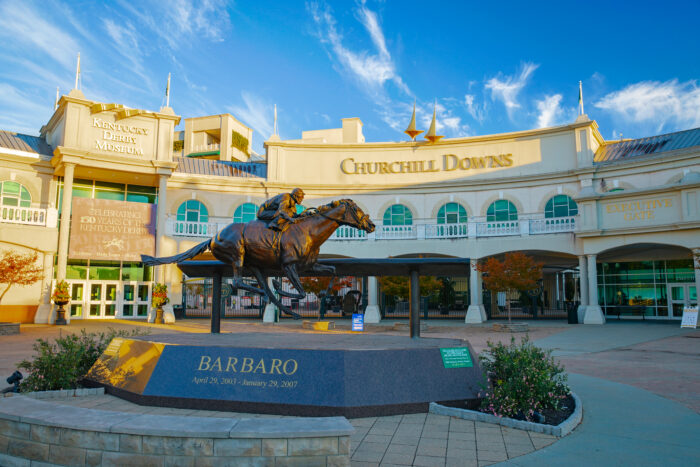
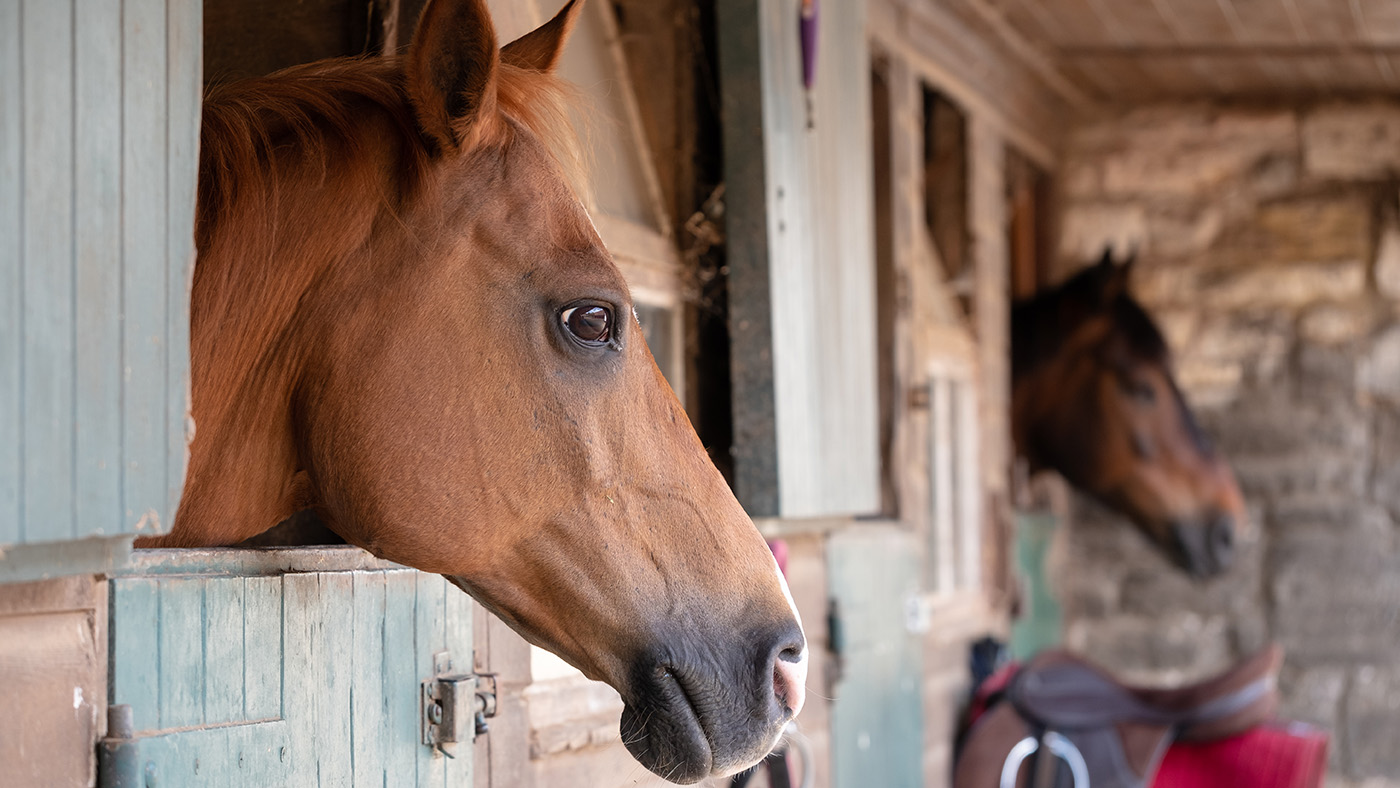
The Derby only features three-year-old Thoroughbreds, which means that years of planning boil down to a single moment. Most of these horses are bred specifically for this race before they’re even born. Breeders carefully study bloodlines, make strategic purchases, and pair stallions and mares with precision. By the time a horse steps into the starting gate, a plethora of investment, both financial and personal, has already gone into it—all for an outcome that is unpredictable at best.
With a field of 20 horses—the largest in American racing—there are variables no amount of planning can control. Traffic, weather, race pace—everything can shift in an instant. Favorites stumble, and long shots can take the crown. Just look at Rich Strike’s stunning 80-1 upset win in 2022—one of the biggest surprises in Derby history. It reminds us that even the most meticulously crafted plans leave room for chance.
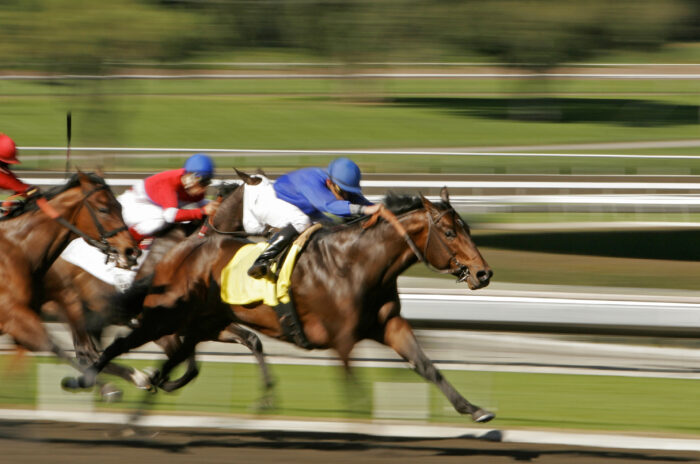
This tension between control and uncertainty has helped keep the Derby alive and thriving for over 150 years.
Since its launch in 1875, the Kentucky Derby has never needed to reinvent itself. It remains one of the longest-running sporting events in the U.S., drawing a global audience of more than 15 million television viewers each year. While other major events adjust formats, expand seasons, or repackage themselves for relevance, the Derby still runs the same mile and a quarter, for the same age group, under the same conditions.
But under that reliable exterior lies an industry driven by generational thinking.
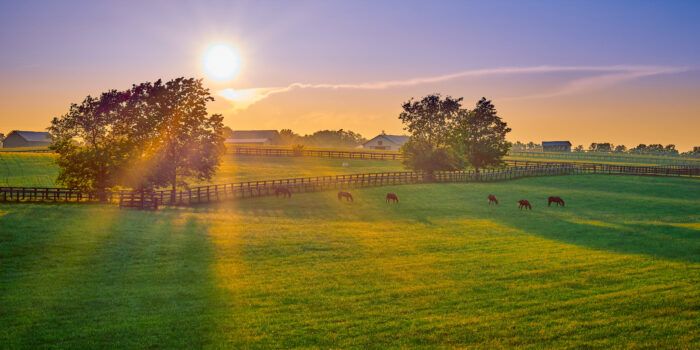
In Thoroughbred racing, ownership often passes through families, creating operations that function more like legacy holdings than short-term investments. One of the most enduring and successful examples is Calumet Farm, established by the Wright family, whose fortune originated with Calumet Baking Powder. That wealth was transformed into one of the most dominant operations in racing history, producing eight Kentucky Derby winners, including Whirlaway and Citation. The business itself evolved over time, but the imprint it left on the sport did not.
Founded by Gladys Mills Phipps, wife of Henry Carnegie Phipps—heir to the fortune of his father, steel magnate Henry Phipps Jr.—Phipps Stable has been an American dynasty in horse racing for nearly a century. Focused less on visibility and more on long-term breeding strategy, Phipps Stable is credited with shaping elite racing culture.
On a global scale, operations like Godolphin, founded by Sheikh Mohammed bin Rashid Al Maktoum, have built one of the largest thoroughbred horseracing and breeding operations in the world. Their philosophy is modern, but the approach remains unchanged: success is built over time, not engineered in a single race.
Even in cases where ownership shifts, the continuity of bloodlines remains central. Farms throughout Kentucky’s Bluegrass region still make breeding decisions based on decades of data—pedigree, performance, durability—knowing the outcome may not fully materialize for years. A single pairing can influence a lineage for generations, long after the original investment.
So, the Derby becomes more than just a single race; it’s a moment where generations of hard work converge.
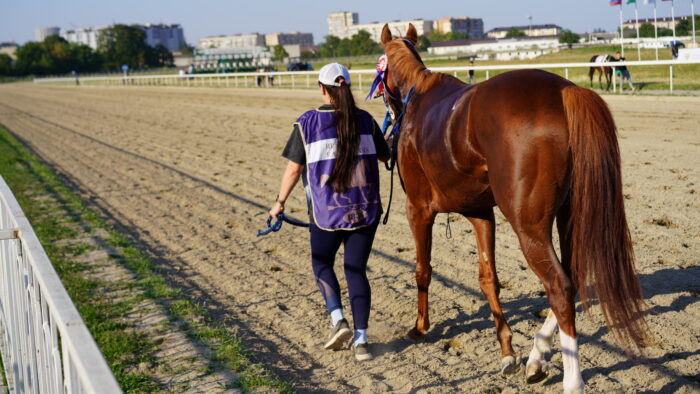
For owners, trainers, and breeders, those two minutes reflect years of effort that often go unseen. Picture early mornings at training tracks, gradual conditioning, and strategic race placements leading up to qualification. According to Churchill Downs, horses need to earn points in a series of prep races to qualify for the Derby, narrowing thousands of foals down to just twenty contenders.
The economic impact mirrors this long-term investment as well. According to Louisville Tourism, the Derby brings in over $400 million annually for Kentucky, fueling a broader equine industry that contributes billions to the U.S. economy.
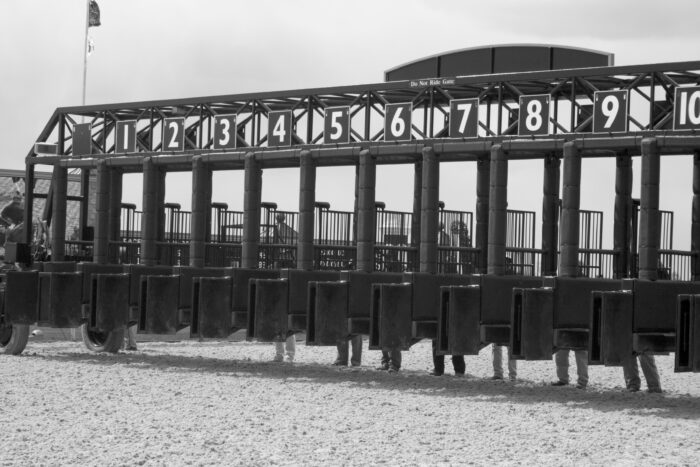
Yet, when the gates swing open, it all boils down to two minutes—one hundred and twenty seconds that can make or break a career. Or wipe away generations of expectations.
That’s the conundrum at the heart of the Kentucky Derby. It’s both brief and enduring.
In a world that often celebrates speed—faster growth, quicker returns, and instant visibility—the Derby plays by a different set of rules. It requires participants to invest in something they can’t control, for an outcome that may never come to fruition.
And maybe that’s why The Derby has become a beloved American institution, not because it changes but because it doesn’t.