The fair that built its reputation on restraint returns to Maastricht this March
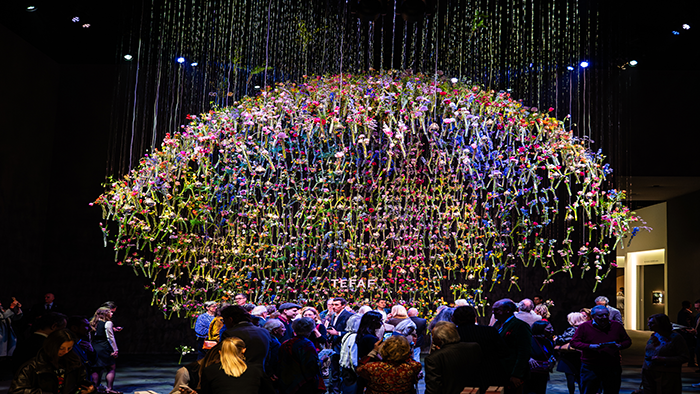
On the first morning of TEFAF, a quiet atmosphere fills the MECC Maastricht. The space isn’t empty—far from it—but the silence feels intentional. People are focused, carefully studying objects that have survived centuries, empires, and changing styles. It’s about as close as a trade fair can get to feeling like a place of worship.
TEFAF Maastricht 2026 takes place from March 14 to 19, and after 38 years, it remains the most important event on the art calendar. It doesn’t depend on flashy displays, nor does it need to. While much of the art world now caters to social media, TEFAF stays focused on the art, the research, and the people who truly appreciate looking closely.
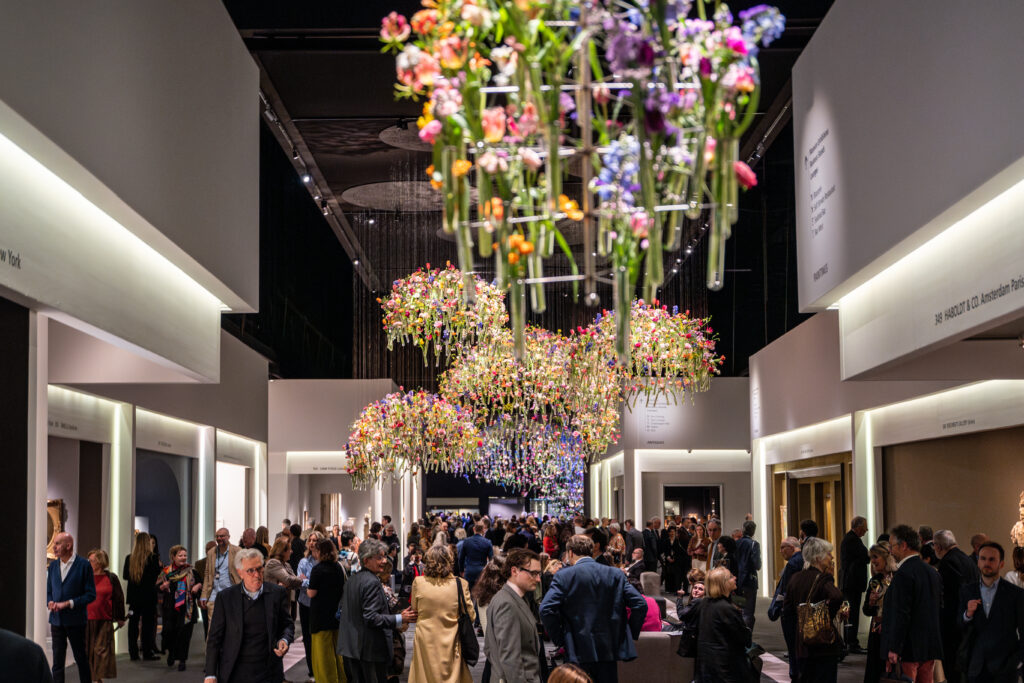
This year, 277 dealers and galleries from 24 countries across five continents descend on this easygoing city in the far south of the Netherlands, right where the country brushes up against Belgium and Germany. They bring with them everything from ancient Greek ceramics to mid-century furniture to paintings that left the studio only months ago.
The 39th edition covers over 7,000 years of art history, which might seem hard to imagine until you see it for yourself. You could be looking at a first-century Roman bronze one moment, then hearing a dealer talk about a young artist whose painting is still drying the next. This mix doesn’t feel out of place; rather, it shows how objects gain meaning over time.
The Vetting Is the Product
TEFAF is known for something most fairs overlook: the art itself. About 200 experts, divided into 30 specialist vetting committees, examine each object for condition, quality, and authenticity. The Art Loss Register also reviews each piece to make sure it hasn’t been stolen or looted. For serious collectors, this isn’t just a small detail—it’s the foundation of trust behind every purchase.
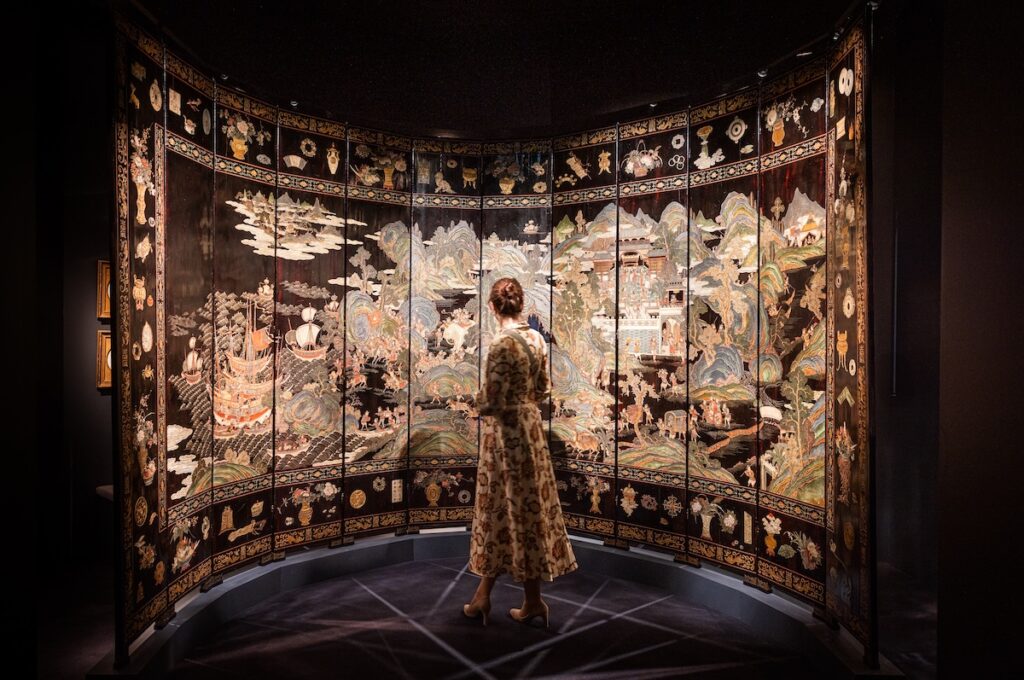
You notice it as soon as you walk in. The booths don’t look like typical retail spaces. A London dealer might show just three works instead of thirty. A gallery from Tokyo might display a single canvas on linen, lit as if it were part of a museum collection.
The familiar faces are here: acquisition committees from major museums, private collectors with their advisors, and curators who have known some dealers for 20 years. Business is taking place, but it doesn’t feel rushed or showy. The deals are quiet and low-key.
What 2026 Brings
This year, the fair has expanded sections for Paintings, Works on Paper, Modern & Contemporary, and Design. This growth comes from real demand for more space, not just adding for the sake of it. Photography has also grown, with top dealers showing work that stands up next to the Old Masters just a few corridors away. The Focus section, which gives stands to solo artists, now includes Abstract Expressionism as well as Scandinavian and De Stijl masters. This mix is on purpose, encouraging visitors to take a fresh look at art they might think they already know.
Some of the highlights previewed before the fair include a Rembrandt self-portrait from 1630, a Gauguin still life from 1886, and an early Monet landscape painted decades before his mature style. Their presence shows the high quality of art TEFAF attracts. These works aren’t just looking for any buyer—they’re waiting for the right one.
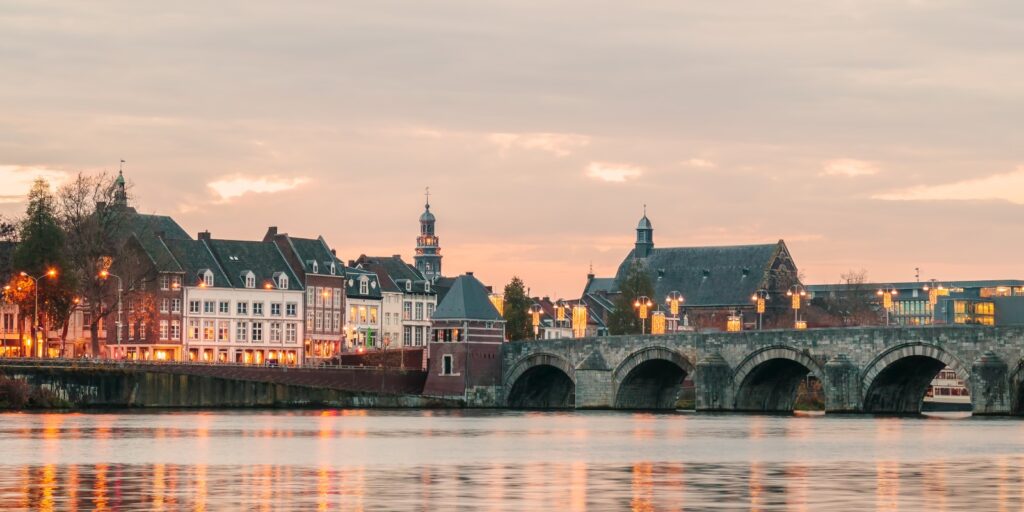
The City as Extension
Maastricht during TEFAF is more than just a busy event with hotels at capacity. It’s a small, walkable city, and during the fair, the whole city feels linked to what’s happening inside the halls. The program extends into museums and public spaces, with concerts, exhibitions, and the multi-day Harvest design event, which takes place alongside the main fair. You might spend one evening at the Chamber Music Festival at Conservatorium Maastricht and the next morning back at TEFAF looking at a Flemish painting. Both experiences feel naturally connected.
Why It Still Matters
There are more art fairs than ever. The schedule is packed, and the push to entertain or turn the fair into a social media event has changed many fairs in ways that don’t always help the art itself. TEFAF has resisted this trend, creating a fair that asks visitors for something different: attention, preparation, and a willingness to move slowly through rooms that reward careful looking.
In a time that values speed, this approach is a true sign of curatorial confidence.
TEFAF Maastricht 2026, March 14–19. MECC Maastricht, Netherlands. tefaf.com