The Surprising Hidden Economy Behind Prestige Events
Prestige events are not entertainment businesses. They are relationship economies disguised as cultural experiences. Wimbledon is not fundamentally selling tennis. Art Basel is not fundamentally selling art. Fashion Week is not fundamentally selling clothing. They are selling concentrated access.
That is why governments, global brands, luxury houses, sponsors and private capital continue investing billions into these ecosystems year after year. The event is the visible layer. The real value lives in who gains access to whom. Most people think ticket sales fund these events. They don’t. At the highest levels, these ecosystems are financed through broadcasting rights, sponsorships, hospitality, tourism partnerships and private capital. Ticket sales matter—but far less than most people assume.
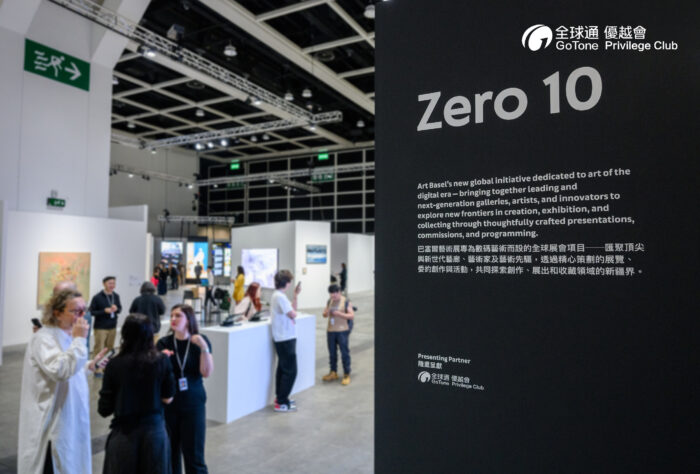
According to FIFA’s 2022 financial reporting, nearly 70% of revenue during its 2019-2022 cycle came from broadcasting rights and marketing partnerships alone, with 45% generated from television broadcasting rights and another 24% from marketing partnerships. Ticket sales accounted for a comparatively small share of total revenue.
The International Olympic Committee operates similarly, generating the vast majority of its revenue through broadcasting rights and global sponsorship agreements rather than ticket sales alone. That structure reveals something important immediately: The audience has value. The audience matters. But direct access to wealth, influence and decision-makers matters far more.
Hospitality economics make this even clearer. At the 2022 FIFA World Cup, ticket sales generated roughly $686 million. Hospitality generated another $243 million through private suites, premium lounges, curated experiences and controlled-access environments. Hospitality is not upgraded seating.

It is premium-priced access.
These environments compress proximity between people who would otherwise be separated by industries, geography, gatekeepers and time. Investors meet operators. Brands meet influence. Capital meets opportunity. That is the real value being monetized.
Luxury brands sponsor Art Basel because concentrated wealth is already there. Financial firms host private gatherings during Formula One weekends because investors, executives, celebrities and family offices are already circulating in the same city. Fashion houses underwrite exclusive events because purchasing behavior and cultural influence are shaped socially long before they are shaped publicly.
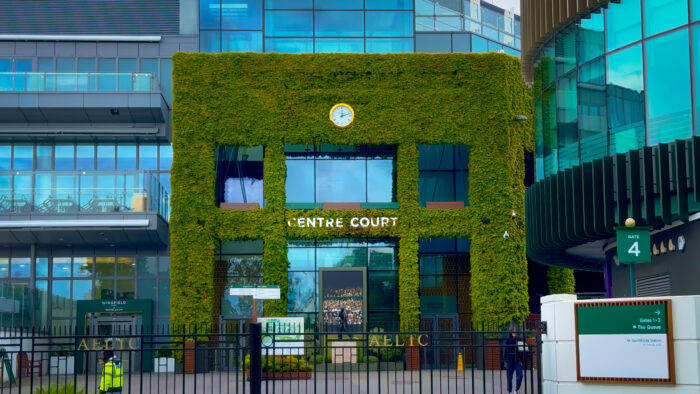
The most valuable conversations rarely happen center stage. They happen in the unscripted moments around the event itself—where trust builds faster, relationships deepen and opportunities move forward privately well in advance of them becoming visible publicly.
Because proximity compresses time. Deals move faster when people repeatedly share environments. Capital flows more efficiently when trust already exists. Influence consolidates when the same networks continue circulating together across multiple ecosystems. This is also why governments and cities continue aggressively funding major international events despite questionable direct profitability.
Research from Oxford University’s Saïd Business School found that Olympic Games have historically experienced substantial budget overruns. “The Oxford Olympics Study 2024: Are Cost and Cost Overruns at the Games Coming Down?” States that “the last three Summer Games cost USD 51 billion (in 2022 prices) and overran budgets by 185% in real terms—not including road, rail, airport, hotel, and other infrastructure, which often cost more than the Games themselves ….”
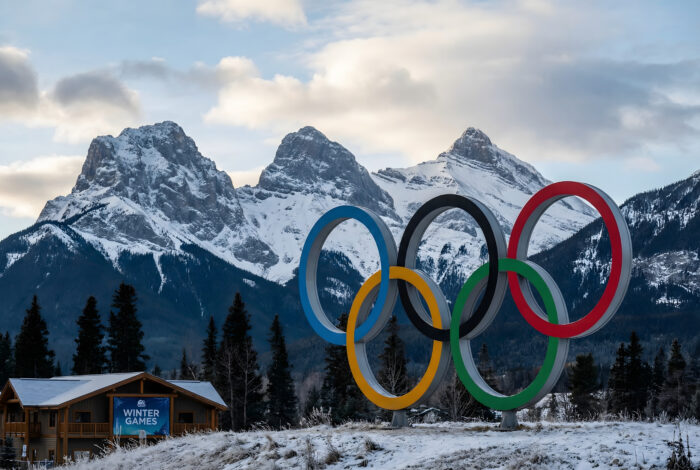
Yet countries continue competing intensely to host them. Why? Because these events are positioning tools. Hosting signals relevance, influence, economic ambition and global standing. In many cases, perception itself becomes part of the strategy. And increasingly, understanding these systems matters—particularly for women entering environments historically shaped by legacy networks, institutional capital and relationship-driven influence.
If you only see luxury, celebrity, fashion or entertainment, you miss the real transaction happening underneath it all. That distinction matters especially for women who have historically been invited into these environments socially while remaining excluded financially, strategically or structurally.
The women who navigate these systems well understand that access alone is not power. Understanding the power structure behind the access is what matters most: Who funds the environment? Who controls introductions? Who keeps getting invited back? Who benefits when relationships are formed?
Those questions matter far more than who wore what on the red carpet. Because prestige events have never been just cultural experiences. They are organized systems designed to concentrate influence, trust, capital and decision-making into one place at one time. The event captures attention. The surrounding ecosystem concentrates power. That has always been the real business model.