The Healed Man—the Steady Man, the Safe Man—Will Ultimately Be the One Who Heals Our World
In Part One, we talked about performance. The noise. The dominance theater. The culture of men proving strength publicly while privately lacking peace.
Part Two is about what happens underneath all of that.
Loneliness. Not the performative kind. Real isolation. The kind many successful men experience after building companies, accumulating wealth, fathering children and still feeling emotionally unseen inside their own lives. Many affluent and high-performing men appear socially connected while privately lacking deep emotional connection. Plenty of men can command a boardroom and still have nobody they feel safe enough to tell the truth to. That is not power. That is isolation with premium branding.
Reporting from Fast Company described loneliness among successful men as “a lifetime of emotional isolation disguised as strength.”
The data is sobering. Men account for nearly 80% of suicides in the United States, according to the Centers for Disease Control and Prevention. The male suicide rate remains nearly four times higher than the female rate.
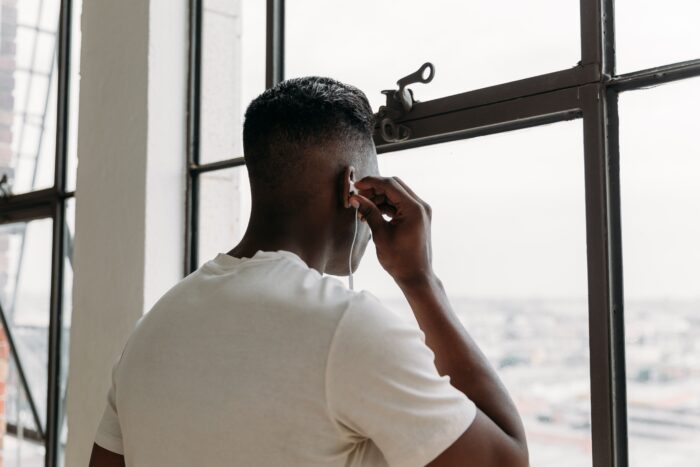
Many men were taught to provide, achieve, dominate, suppress and keep moving; but they were never taught how to process grief, fear, loneliness, shame or disconnection. So they perform strength instead. Until the body breaks. The marriage breaks. The addiction escalates. Or the man disappears emotionally altogether.
I have experienced this personally. My first husband lost everything to addiction and completely disconnected himself from us—from his son, his mother, everyone around him. Shame isolated him. That is what shame does to many men. It convinces them that disappearing is safer than being seen struggling. My heart breaks just thinking about it.
Women appear to be responding to this shift faster than many men realize. In my world, conversations about money, success and attraction are increasingly becoming conversations about nervous systems, emotional safety and peace. The women I work with want men who can stay grounded during conflict. Men who can listen without becoming defensive. Men who can lead without controlling every room they enter.
One woman recently told me, “I don’t need him to impress me anymore. I need to feel emotionally safe around him.”

That sentence says everything. So what does a healed man actually look like? He tells the truth. He takes responsibility. He apologizes without collapsing into shame or blaming everyone around him. He can sit in discomfort without needing to dominate the room, numb himself, disappear emotionally or make someone else responsible for regulating him. A healed man does not punish people for having needs.
He does not weaponize money, silence, intimidation, withdrawal or emotional volatility to maintain control.
He communicates. He repairs. He stays present. And, perhaps most importantly, he creates safety.
Not through weakness. Through steadiness.
There’s also a difference between a man who has money and a man who is emotionally secure with money. A financially secure man usually moves quietly. He owns things—property, businesses, stocks, assets—but rarely turns every conversation into a presentation about them. The wealth is integrated into his life instead of performing as his identity.
A man worth millions fighting over a $20 cookie or creating tension over minor expenses is rarely signaling wealth. He is signaling scarcity. A secure man enjoys providing. Not performatively. Not transactionally. Not with resentment attached. If you mention something you need or want, and he has the capacity to provide it, he simply does. Healed masculine energy understands that provision is not control.
It is care.
The world does not need louder men right now. It needs regulated men. Grounded men. Thoughtful men. Men capable of holding both power and peace simultaneously. Quiet strength, grounded confidence and emotional security may become some of the most important leadership traits of the next century.