How the Drinking Culture Evolved From Ancient Soma to Single-Malt Whisky
The great spirits of the world are shaped by their cultural identities, from Irish whiskey and Scotch whisky to Japanese sake and Jamaican rum. And don’t forget Kentucky bourbon—especially when it’s done right.
Yet despite having the largest population in the world, India rarely enters the discussion. So you might be surprised to learn that the South Asian nation has drinking traditions that date back thousands of years. Ancient Vedic texts referenced both soma, a “drink of the gods” pressed from an unidentified mind-altering plant, and sura, a grain-based beer that was enjoyed by commoners and royalty alike.
Over time, drinking became more closely connected to celebration and community, culminating in an industry that reflects the diversity and culture of nearly 1.5 billion people.
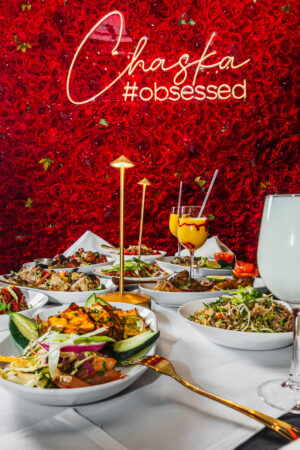
“India’s beverage scene blends tradition and innovation with ingredients like saffron, cardamom, mango and other native botanicals inspiring a new generation of spirits and cocktails,” said Ash Mirchandani, the owner of Chaska, an innovative Indian restaurant in Las Vegas.
The market is dominated by whisky, which is deeply entrenched in Indian society. The best-selling brand, McDowell’s No.1 Reserve Whisky, can be traced back to 1898, a colonial era when Scottish businessman Angus McDowell founded an import business for the British population near Fort St. George. By 1964, the McDowell name had expanded into branded spirits, eventually becoming the world’s best-selling whisky label with more than 32 million bottles sold annually.
Competitors like Royal Challenge emerged in the 1980s, marketed as an aspirational whisky for a growing middle class, but one that’s evolved into an approachable mainstream, value-based brand. Like many Indian whiskies in its price range, it’s a blend of malt and neutral spirits distilled from molasses, sharing characteristics with rum.
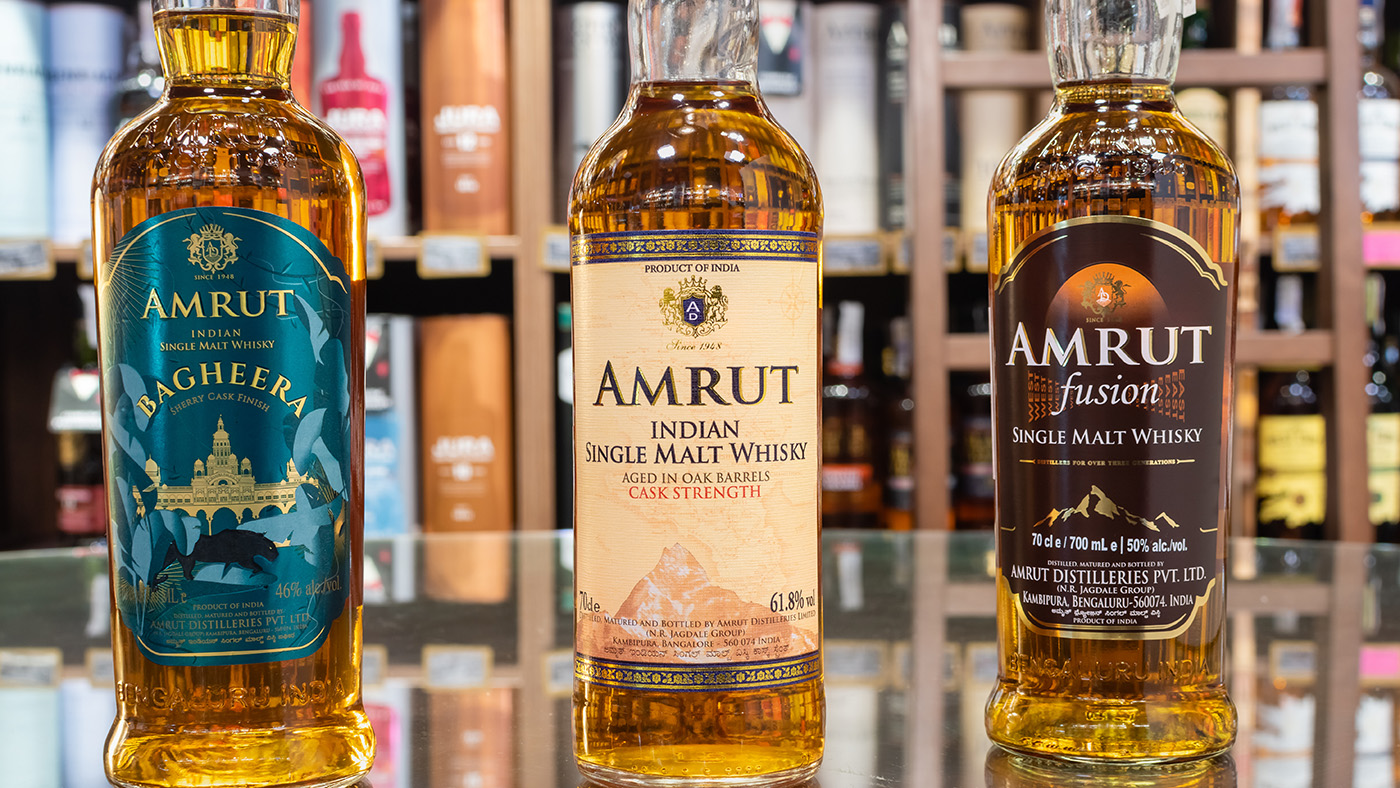
Today, Indian whisky is gaining international attention for a growing wave of award-winning single malts, including Amrut, a pioneer that emerged in 2004 and “helped put India on the global whisky map,” Mirchandani said. “Amrut Fusion combines Indian and peated Scottish barley for a layered profile of tropical fruit, smoke, spice and cocoa.”
Another Las Vegas restaurant, Tamba, which presents Indian cuisine in a fine dining environment, carries Indian single malt whiskies like Indri and Paul John—with more additions planned. General manager Olivier Morowati pointed out that while stylistically close to Scotch whisky, Indian single malts are shaped by different environmental conditions, developing depth and complexity in a fraction of the time it would take in cooler regions.
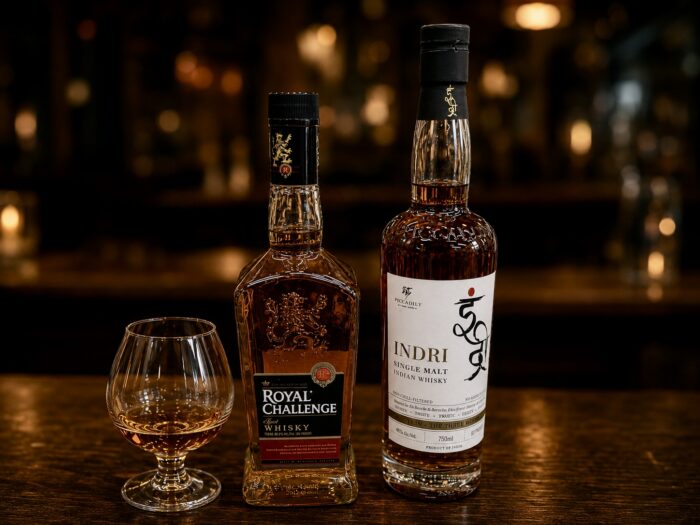
“When it’s in a hotter region, it ages faster,” he said of the barrel-maturing process. “So you’re getting a spirit that feels like it’s being aged 10 or 15 years faster.”
While whisky is predominant in the Indian market, other spirits have gained traction as well.
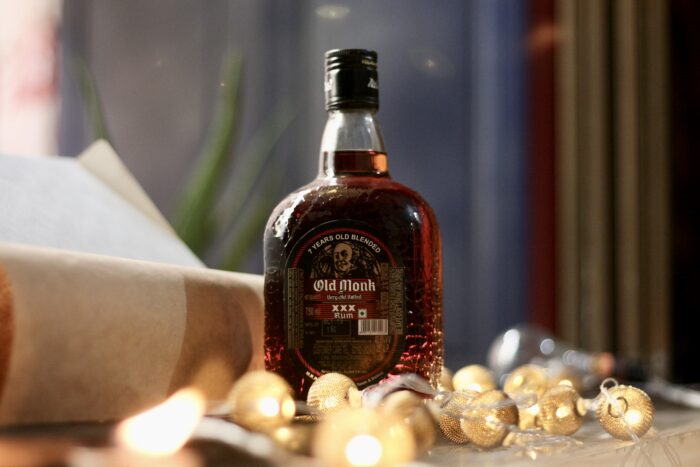
“Rum also has a longtime place in Indian drinking culture; particularly iconic brands like Old Monk,” Mirchandani said. “Craft gin (like Jaisalmer or Greater Than Gin) has seen tremendous growth in recent years, thanks to the use of native botanicals, such as cardamom, coriander, citrus and Himalayan juniper.”
Yet it’s hard not to see a generational divide. According to Morowati, it’s the older generations that prefers to drink Scotch, which is not necessarily the case for younger generations.
“The new consumer for Indian cuisine is leaning more towards cocktails in addition to wines, which was never seen previously,” Morowati said.
With that in mind, Tamba is looking to revise an already impressive cocktail menu using Indian spirits in new recipes. Inspiration could be found in traditional regional favorites like feni—a fruity, funky distillate from fermented cashew apples or coconut palm sap that’s common in Goa, India—that is sometimes mixed with lemon-lime soda. And toddy palm wine, a popular drink in South India, is made by fermenting the sap of palm trees for a mild, sweet flavor.
Chaska even makes a point of offering an alcoholic version of lassi by adding vodka to the drink, which was first popularized in the Punjab region in northwestern India, blended with fruit, yogurt and spices.
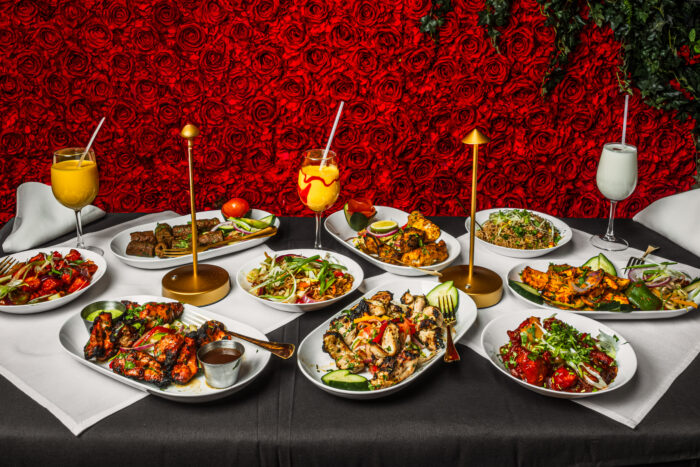
Ultimately, Mirchandani suggested, it’s about personal preferences and choosing a drink that matches the robust flavors of Indian cuisine. Old Monk, for example, pairs well with grilled meats while Amrut Fusion is well-suited for smoky tandoori dishes. Indri Trini, a more modern whisky, complements butter chicken and other richer curries.
The restaurant also carries Jaan Paan Liqueur, a sweet after-dinner blend that’s actually produced in Canada but incorporates Indian spices with notes of rosewater, fennel, cardamom and clove. It’s the perfect way to wrap up a meal with a dessert like gulab jamun (fried pastry balls) or kheer (rice pudding).
Experience Indian drinks and spirits the best way possible: in person with great food. The next time you’re enjoying a meal at an Indian restaurant, resist the urge to order something familiar. Browse the menu and engage the server or bartender in a conversation about the drink list. New sips are waiting to be discovered while catching up to what more than a billion people already know.