Wanting What No One Else Can Access Is A Quirk of Human Behavior
Why do we always seem to want what we can’t have? It’s so annoying, isn’t it? On the flip side, why do we feel victorious, successful—often smug even—when we have something no one else can get? It’s not that we’re bad people or elitists. It actually is because we’re wired this way.
“Scarcity is one of the oldest levers in human psychology,” said Matt Johnson, a researcher with a doctorate degree in cognitive psychology from Princeton University who’s focused on psychology and neuroscience in branding. “When something is hard to get, our brains treat it as more valuable almost automatically.”
Unfortunately, just because we know why we’re feeling a certain way doesn’t mean we can help it. We want what we want—or sometimes what other people want and can’t have. That feeling of already being connected to something we don’t own yet is what makes desire even more powerful. It also helps explain why getting access to it can feel like a win.
“The harder something is to acquire, the more mental energy we invest in pursuing it; and that investment creates a sense of attachment before we even have the thing,” Johnson continued. “We start to feel like it’s already ours.”
Today, that feeling is working overtime. The push to covet and pursue what isn’t ours is everywhere.
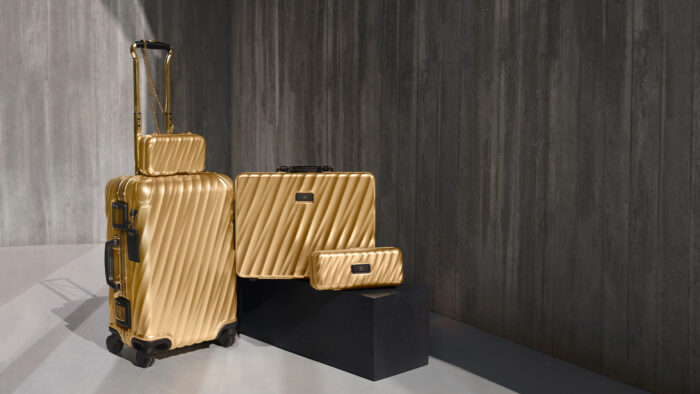
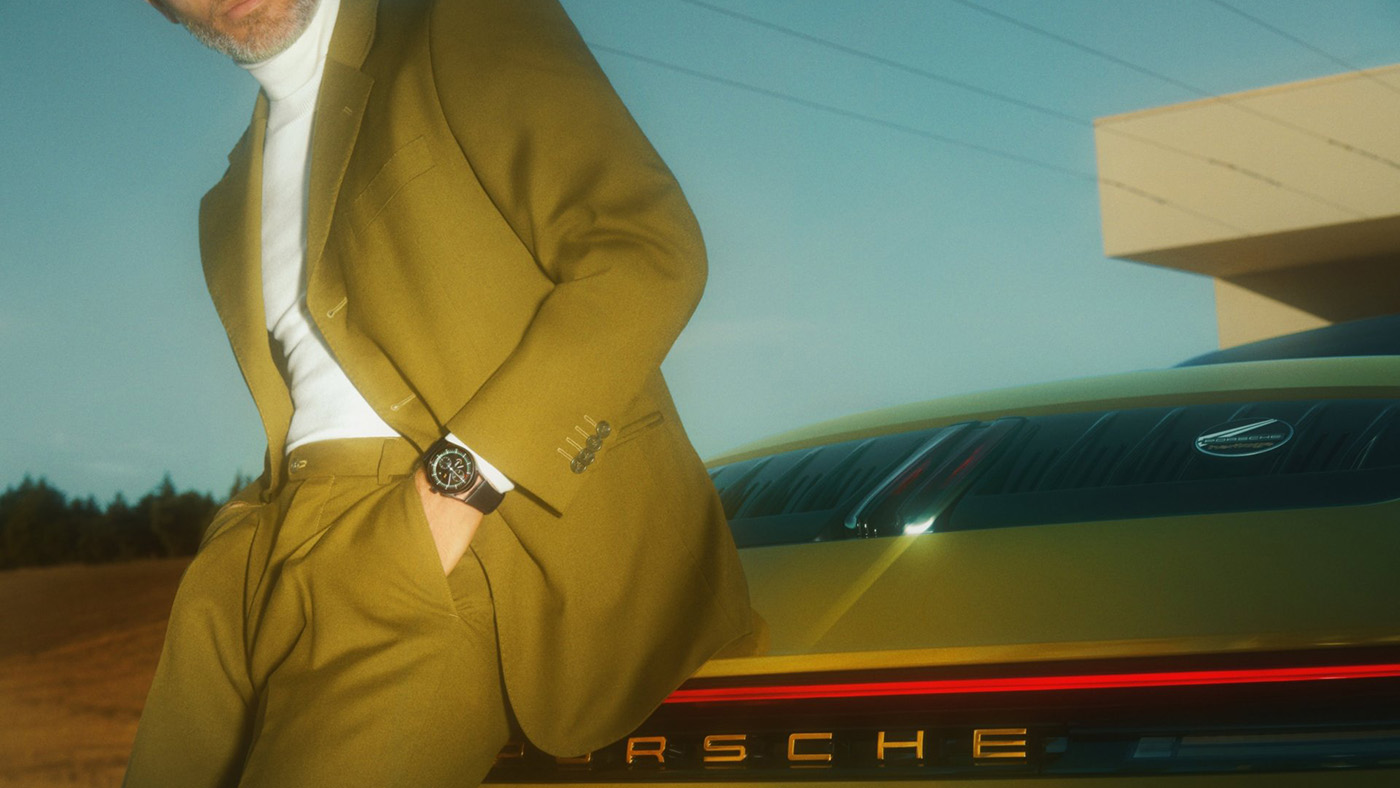
Take, for instance, the 50th anniversary bullion gold capsule Tumi released this past year. Only 250 pieces were produced, with each one individually numbered. Also released in 2025 was Porsche’s 911 Spirit 70, which was limited to 1,500 units globally.
“The limited-edition collector’s items are particularly desirable for our customers worldwide,” said Alexander Fabig, vice president of individualization and classic at Porsche.

They’re also particularly easy to spot, adding to the allure of exclusivity. The 911 Spirit 70, which officially debuted in April 2025 and launched as a 2026 model, comes in Olive Neo, a shade of green specifically created for this model. A special version of the Porsche crest nearly identical to the version used in 1963 adorns the hood, while a gold-plated “Porsche Exclusive Manufaktur” badges on the front fenders help distinguish this as a special model within the limited-edition Heritage Design product portfolio.

Johnson gets the allure, especially in what he calls an era of “infinite visual access” where you can see anything, screenshot anything, reference anything.
“As a result, possession has become one of the last remaining markers of distinction,” he said. “Owning something rare today isn’t just about having it; it’s about what it signals about your taste, your access, your world. It becomes part of how you narrate yourself to others.”
Johnson believes that in a landscape of copies and lookalikes, the thing you have that others can’t get becomes a kind of identity anchor.
“It says, ‘I’m not just a consumer, I’m a curator of my own life,’” he added.
The same dynamic holds true even in quieter, more discreet corners of luxury. Guerlain produced just 4,225 bottles of its 2025 Muguet Millésime fragrance, but the appeal isn’t really the scent. It’s the fact that most people wouldn’t even know it if they saw it.
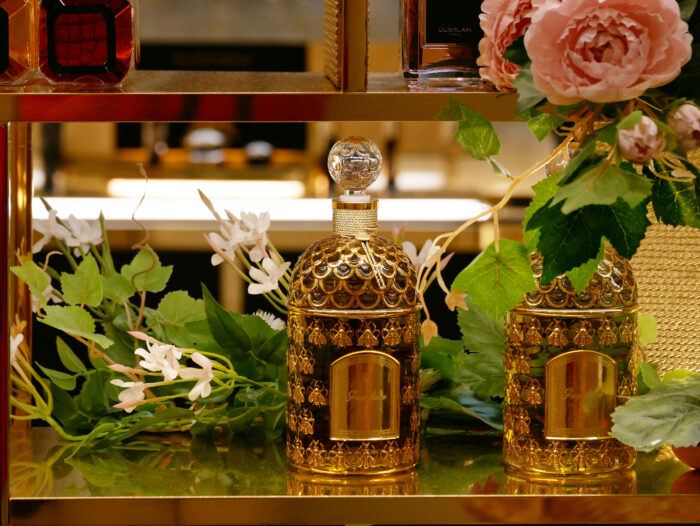
Unlike a limited-run car or a numbered capsule, this isn’t designed to be spotted. It’s designed to stay relatively unknown, except to the people who seek it out. The exclusivity here isn’t simply how few exist, but how few people can identify it. You’d have to be an insider with impeccable taste to know it exists, recognize it when you see it and then be able to own it.
The pattern is the same across luxury categories. A brand’s exclusive offering today isn’t just about the product, but who has access to it. It’s a shift that reflects a broader recalibration within the luxury market—one where growth has slowed and the customer base is more concentrated at the top.
In essence, it’s a way for brands to take back control of their products and keep them exclusive, aka wanted by the masses. Because, as more people gained entry to luxury over the past decade, the meaning of that access was lost or, at the very least, diluted.
Some brands are now opting to tighten distribution, refocus on top-tier clients, and place greater emphasis on items and experiences that remain harder to obtain. The actual product didn’t change, but the feeling around it did. And that feeling is tied to more than just status.
“I think the deeper engine is autonomy,” Johnson explained. “We desperately want to belong to a group, but crucially, within that group, we want to be perceived as our own unique individuals.”
Yes, consumers want to feel like they’re making choices that are genuinely their own—ones that don’t simply follow an algorithm or crowd. And it’s that feeling that may be the most coveted of all.
“Restricted ownership offers something that mass culture can’t: the feeling of having opted out,” Johnson said.