Growth of Branded Residences Surges as Concept Expands Globally
Luxury has long sold escape. Then it sold access. Now it’s increasingly selling continuity.
Today promising a better room, a more exclusive membership or a more spectacular view is not enough of a value proposition to excite those with multiple addresses and a seemingly unlimited travel budget.
Across the highest end of travel, real estate and hospitality, the most compelling new concepts are creating environments in which life can keep going—socially, physically, professionally and emotionally—without the disruption of constantly moving between home, hotel, club, retreat and destination.
That shift is giving rise to a new kind of permanent third place. It’s not the neighborhood coffee shop or local gathering place that sociologist Ray Oldenburg famously described. These versions are private, branded and highly curated. They’re built for a global class of people whose lives are increasingly mobile, but who still want routine, familiarity, community and a sense of belonging.
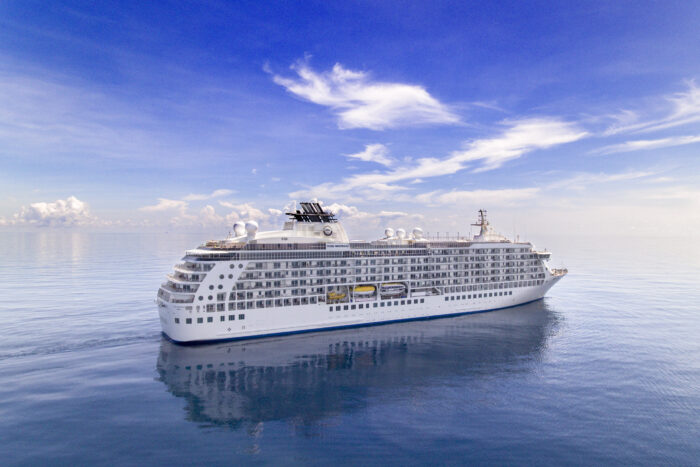
Take the residents of The World, for example. This 165-unit private residential mega-yacht sails a continuous itinerary across every ocean and continent, with residents helping shape annual journeys that reach more than 100 ports each year.
“When our residents talk about The World, they’re not reaching for traditional labels like home, hotel or club because none of those quite capture it,” explained Jessica Hoppe, president and CEO of The World. “What they’re really describing is continuity. It’s where their life happens, not a place they visit.”
Residential concepts, from branded residences to The World, are one of the clearest real estate expressions of today’s third place. Savills Branded Residence Report 2025/2026 report on this topic projected that the number of global branded residential schemes would climb from 764 in December 2024 to 910 by the end of December 2025. That projection came to fruition with 910 branded residence schemes operational worldwide at years-end 2025, marking 19% year-on-year growth.
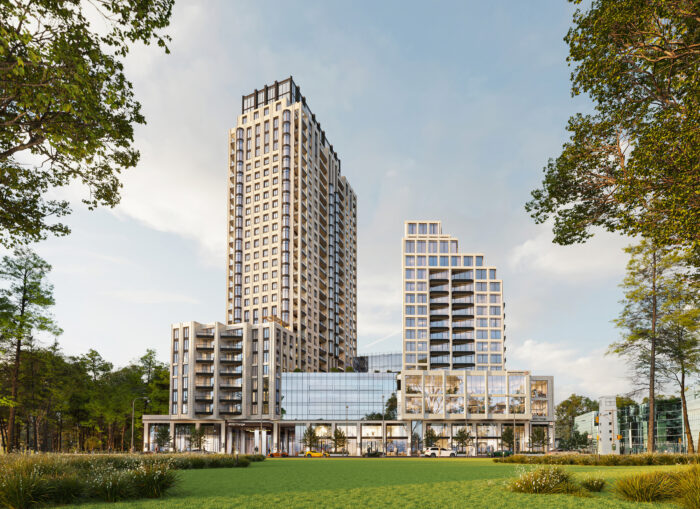
Globally the sector is forecast to grow by 123% over the next five years. With an additional 837 projects already signed and scheduled to enter the market, the total schemes are projected to reach 1,747 by 2032, according to GuidaViaggi.
Also in 2025, as reported by BRESI in January, more than 20 countries welcomed their first branded residential developments, and 58 new brands joined the branded residence market—39 hotel brands and 19 non-hotel brands.
This growth reflects more than the cachet of a luxury name.
“Branded residences are no longer just about prestige, they represent the promise of a luxury lifestyle,” the Savills report noted. “It’s the lived experience that sustains long-term value and promotes investment in a development. Buyers are seeking more than bricks and mortar; they want trust, service and a sense of effortless living that mirrors the best of luxury hospitality.”
This logic extends whether the third place is at sea or on land. In either case, luxury residences and hospitality brands are increasingly being designed as full lifestyle systems.
Take Rosewood Mayakoba in Mexico, for example. The Riviera Maya resort’s residences sit inside the larger Mayakoba ecosystem, giving owners and guests access to resort amenities, wellness, dining and the broader master-planned Mayakoba community.
California’s Aman Beverly Hills, meanwhile, will extend this idea into one of the country’s most visible luxury real estate markets. Set within the 17.5-acre One Beverly Hills development, the project will include a 78-suite Aman hotel; two Aman-branded residential towers; Aman Club; curated luxury retail, dining and wellness spaces; and 10 acres of botanical gardens and open space. It’s described as an “urban sanctuary” near Rodeo Drive, where private residences, hotel access, wellness facilities, gardens and social spaces are folded into one address.
Six Senses, part of IHG Hotels & Resorts’ Luxury & Lifestyle portfolio, is also capitalizing on the third places trend. It’s unveiling a collection of urban properties in destinations like London, Rome and Kyoto, Japan that allow residents to “recalibrate and reconnect while enjoying the brand’s signature emotional hospitality, grounded in wellness, sustainability and crafted experiences.”
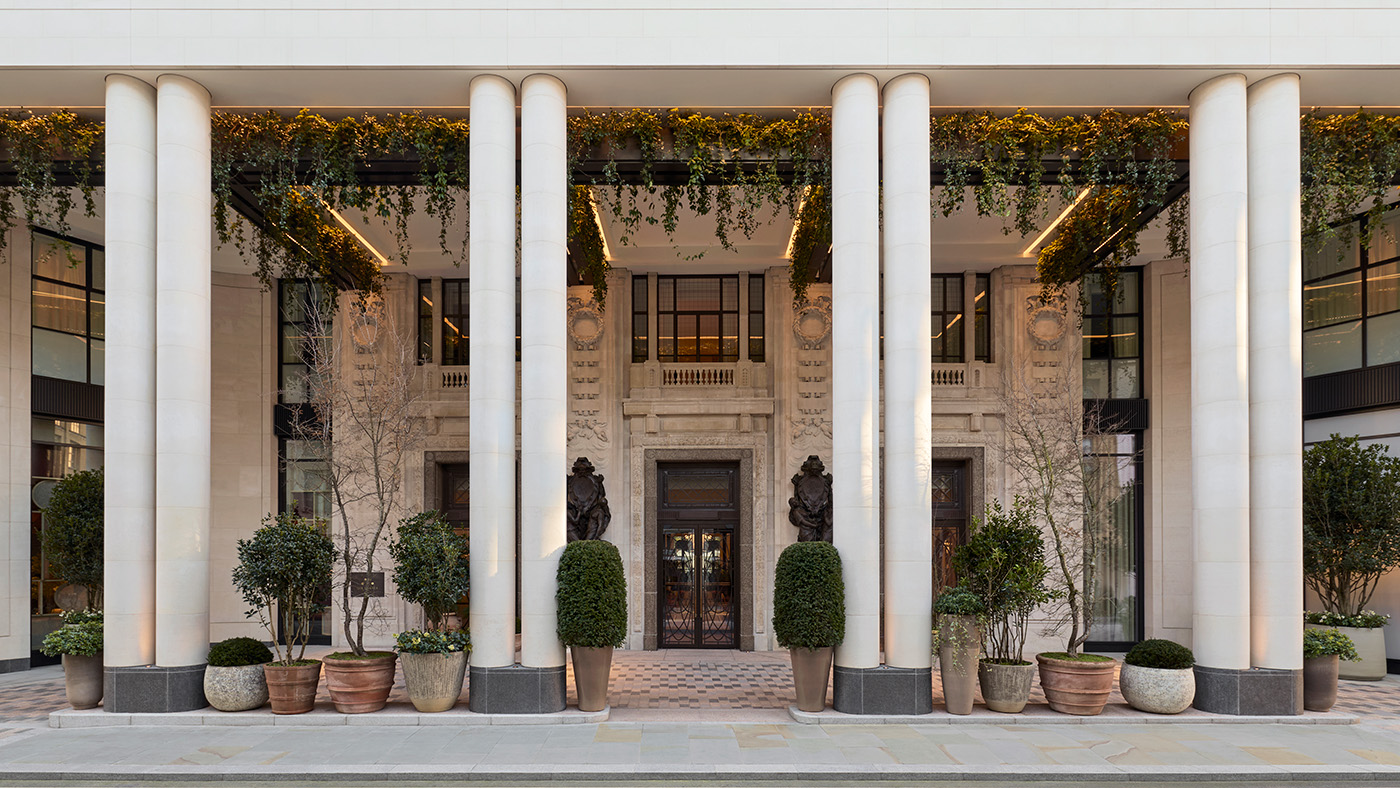
Six Senses London, for instance, occupies a full quarter of The Whiteley mixed-use development, situated near Hyde Park and Notting Hill.
“These are places and spaces designed for shorter stays and modern living, which support guests to feel good every day,” said Neil Palmer, COO of Six Senses. “No longer just on a fleeting holiday but on home soil too. While Six Senses resorts offer immersive, nature-inspired experiences, our urban locations infuse this same outlook with the energy of city environments.”
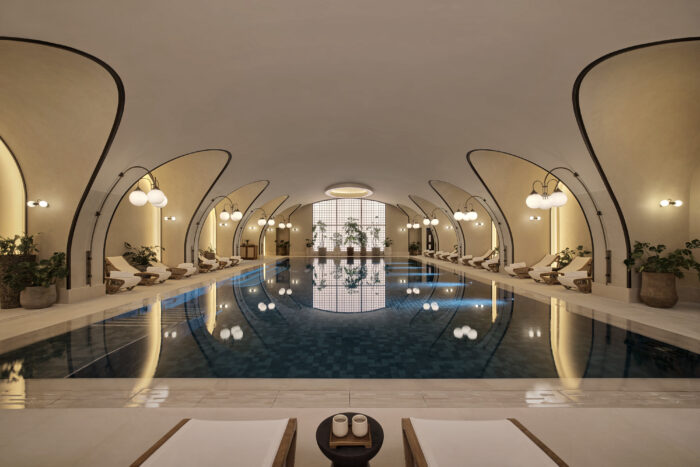
Six Senses London features a nearly 25,000-square-foot wellness facility, including London’s first hotel magnesium pool, cryotherapy, flotation and recovery spaces; a longevity clinic; Alchemy Bar; Biohack Recovery Lounge; and a state-of-the-art space dedicated to performance and longevity. It also includes the inaugural Six Senses Place, a new private members concept.
“Here, well-being is woven into daily life, curiosity is celebrated and like-minded communities come together to connect and grow,” Palmer added.
Whether the model is a mega-yacht at sea, a residence inside a master-planned resort community or a hotel-residential concept built around wellness and belonging, the idea of the third place is becoming more fluid. It’s taking your life, passions and goals with you wherever you go.
It’s a life, uninterrupted.
“Life shouldn’t pause or fragment when you travel, it should remain intact,” Hoppe said. “That’s the difference. It’s discovery without disruption.”