Across cultures where prosperity has endured for centuries, the most refined luxury has rarely been speed; it has been the ability to slow down, gather and experience time with intention.
Luxury has rarely been defined only by objects in cultures where wealth has existed for centuries. It has been defined instead by rhythm and the ability to slow down, to come together, and to mark seasons and moments with purpose.
In much of the modern world, time is treated like something to optimize. We compress it, schedule it and measure it in productivity. But historically, across cultures, some traditions treat time differently; not as something to manage, but as something to experience fully. These rituals remind us that one of the most sophisticated forms of wealth is the ability to live inside time with presence.
1. The Mendoza Vendimia Grape Harvest
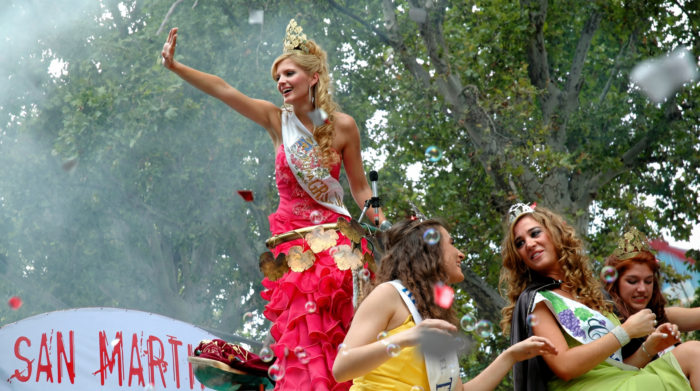
Each March, Argentina’s Mendoza region celebrates Vendimia, the grape harvest that marks the beginning of the winemaking season.
For generations, this event has brought families, farmers and communities together to celebrate not just the harvest but the rhythm of the year itself. Meals stretch long into the evening. Music fills the plazas. Conversations move slowly.
Wine culture has always understood something important: The best things in life cannot be rushed. You cannot hurry fermentation. You cannot accelerate patience. Time is part of the craft.
Why it matters: Traditions like Vendimia remind us that wealth is not just about production. It is about honoring cycles.
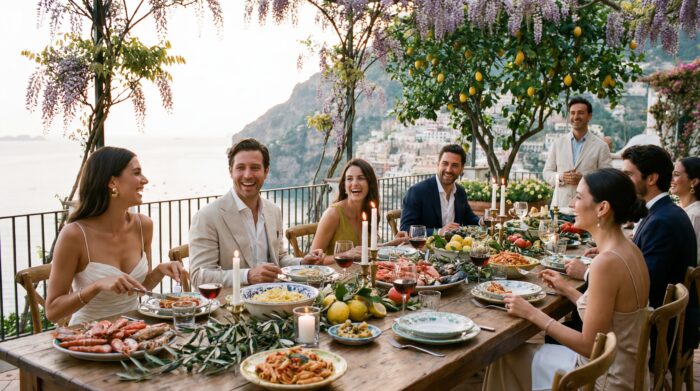
2. The Mediterranean Long Table
Across Italy, Spain and parts of southern France, meals remain social architecture. Lunch is not a transaction. It is a ritual. Multiple courses arrive gradually. Conversations weave through the afternoon.
The table becomes a place where relationships deepen, and ideas are exchanged.
To many fast-paced cultures, this appears inefficient. But historically, some of the most influential decisions—business, political and personal—have happened across these long tables.
Why it matters: Time shared intentionally strengthens the relationships that shape opportunity.
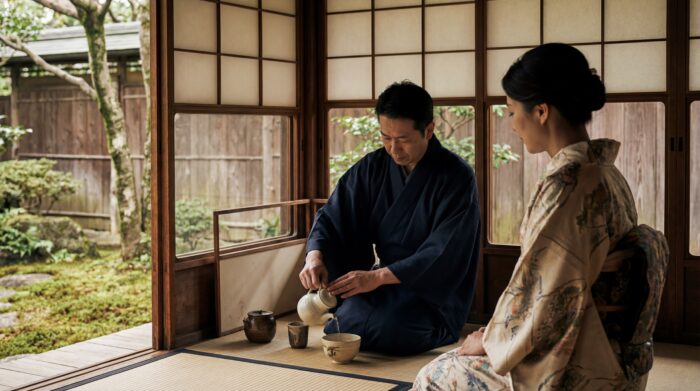
3. The Japanese Tea Ceremony
Few traditions demonstrate the value of time more clearly than the Japanese tea ceremony.
Rooted in centuries of Zen philosophy, the ritual emphasizes presence, simplicity and attention to detail. Every movement is deliberate. Every moment is observed.
The ceremony is not about tea. It is about experiencing time with awareness.mIn a world that rewards speed, this ritual teaches a different skill: stillness.
Why it matters: Presence is one of the rarest forms of luxury.
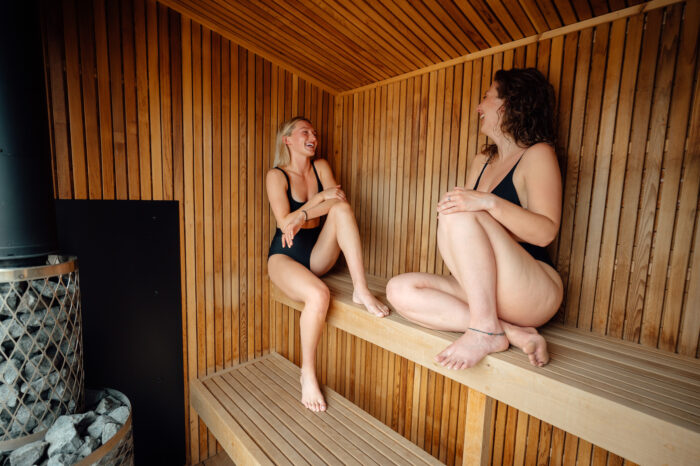
In Finland and across Scandinavia, sauna culture is not merely wellness. It is social structure. Families, friends and colleagues gather in quiet heat, often without devices, schedules or agenda. Conversation happens naturally. Silence is comfortable.
For centuries, these spaces have functioned as places where relationships are strengthened and decisions are discussed. Time moves differently here. And that is precisely the point.
Why it matters: Some of the most meaningful moments in life happen when time is allowed to slow.
The Real Luxury
Across continents and traditions, these rituals reveal a shared truth. The most refined cultures do not treat time as something to conquer. They treat it as something to honor. In a world that increasingly rewards speed, the ability to slow down may be the most sophisticated luxury we have left.