Functional Longevity Is Replacing Anti-Aging as the New Status Signal
For decades, those who could afford to do so invested in the frozen forehead, the perfectly sculpted jawline, and whatever private clinics promised would shave years off their faces. That version of beauty still exists, of course, but today it’s only part of the health and wellness equation.
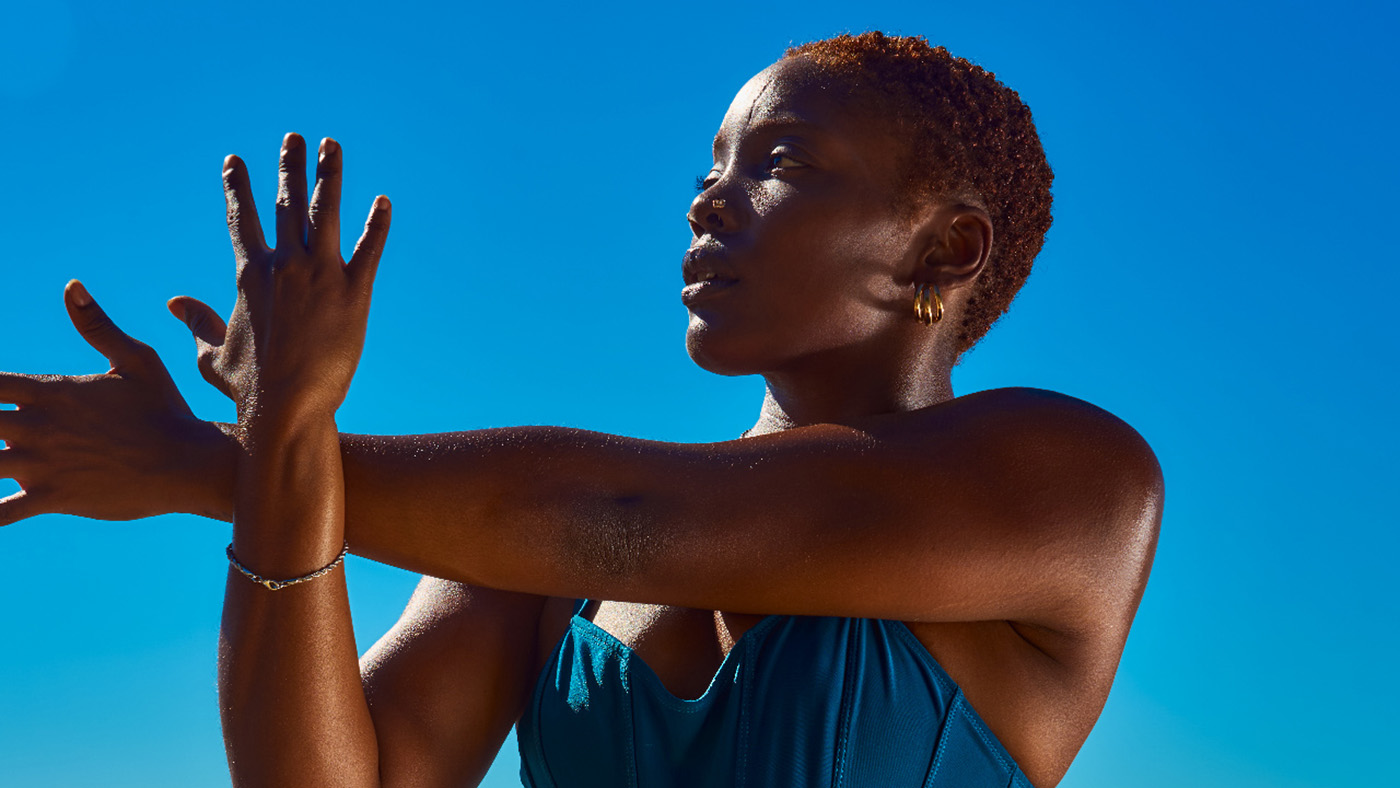
The newer signal of vitality is a well-rounded one. It’s strength, mobility, balance, energy, cognitive sharpness, restorative sleep and the luxury of still being able to do the things that make a life feel expansive and fulfilled.
This shift from pure aesthetics to a more diversified approach that includes how we feel and what we can do has become such a priority that the Global Wellness Institute placed functional longevity at the top of its “2026 Aging Well” report on the initiative movement.
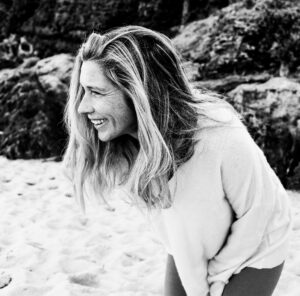
“The concept of ’anti-aging’ is rapidly losing relevance,” it stated. “At the same time, wellness brands and communities are reframing longevity as a marker of capability and resilience rather than aesthetics. This reframing aligns with broader cultural resistance to unrealistic youth ideals and supports greater engagement among older adults who previously felt excluded from mainstream wellness culture.”
Courtney Wilson, founder of Modern Beauty Aesthetics & Wellness in Carlsbad, California, believed this shift was long overdue.
“The goal is no longer to look 35 at 55,” she explained. “It’s to look and feel like the healthiest, most vibrant version of yourself at every age. The language has shifted beautifully from ’turn back the clock’ to ’optimize what’s ahead.’”
The focus on appearance hasn’t disappeared. Instead, beauty has been pulled into a larger conversation.
“From daily broad-spectrum SPF to protect against both photoaging and skin cancer, to medical-grade skincare designed to support collagen production and cellular renewal, women are becoming far more proactive,” Wilson continued.

Not only has the priority moved from frozen and ageless to looking healthy, rested and intact, but what we’re focusing on has also changed. Today the face no longer carries the full burden of proof, because a polished face paired with exhaustion, frailty or burnout doesn’t read as aspirational. That’s where vitality, healthspan and functional longevity come in. This new approach to aging affirms that it’s not the amount of years in your life but the amount of life in your years.
Naturally, this shifted focus also affects what affluent consumers seek out. The “surface-level” injectables, scans, protocols and memberships are now working in conjunction with other services as part of a larger strategy. It’s one Erin Giovannetti, director of the MedStar Health Economics and Aging Research Institute and a nurse practitioner at the University of California San Diego Health believes is much more effective.
“Today’s discussions are far more holistic than they were five years ago,” she explained. “Hormone optimization, metabolic health and weight management now exist alongside skin health, facial restoration and aesthetic vitality because we recognize that these aspects of well-being are deeply interconnected.”
For many, it’s the first time their medical care and aesthetic goals have felt like part of the same conversation. Giovannetti sees this as a meaningful shift.
“Clients today are asking for more than treatments; they are asking for partnership,” she continued. “They want to feel strong, energetic, confident and informed. They are seeking care that acknowledges the connection between health, longevity and appearance.”
That’s where healthspan’s cultural power supersedes anti-aging. The passing of time isn’t framed as a failure; and the prospect of future time is presented as an opportunity if you have the strength to travel; the cognition to remain sharp; the energy to enjoy family, hobbies and a career; and the independence to continue doing what you love.

With that in mind, the formula for functional longevity typically includes resistance training, adequate protein, restorative sleep, stress management, metabolic health and appropriately prescribed hormone care. None of that sounds as seductive as a miracle treatment, which is partly the point. The value is in personalization, consistency and knowing what interventions are worth the money.
“For many affluent consumers, investing in health has become much like investing in any other valuable asset,” Giovannetti added. “They are seeking personalized strategies with the same intentionality they bring to their careers, finances and other areas of life, with health becoming something to actively cultivate rather than something to react to once problems arise.”

Of course, aesthetics are still a priority. It’s just not the only priority anymore.
“Looking good still matters, but increasingly it is viewed as a reflection of feeling good,” Wilson said. “Glowing skin, a healthy physique and a vibrant appearance are no longer the end goal; they are the outward expression of deeper health and vitality.”
That may be why functional longevity has become such a powerful status signal. Money can buy access to elite providers, better tools and more personalized care. But when the goal is more than skin deep, it can’t necessarily buy the desired outcome. That’s where the investment really comes in.
“Perhaps the greatest status symbol today is not appearing younger than your age but moving through every decade with energy, clarity, strength and the freedom to fully enjoy the life you have built,” Giovannetti said.