Every April Milan Design Week draws many of the decision-makers who shape our tastes and surroundings to Italy to answer one question: What matters now?
On the surface, the answers can seem familiar. It’s the unveiling of the latest home collections from brands like Hermès; large-scale installations from companies like Google; and craft-driven collaborations from houses like Loewe.
But beneath that, however, Milan has always done something more quietly influential. It reveals not just what’s new, but what people are actually willing to care about. In a world full of endless information, constant scrolling and nonstop aesthetics, that means something.
That meaning is even more powerful this year, argued Heidi Adams, founder and CEO of BASEstud.io, because people are searching for it.
“What I’m observing is a deepening hunger for meaning over spectacle,” she said. “For a long time, the design conversation was dominated by the visual, by what photographed well and traveled fast. That’s shifting. People are becoming more interested in the thinking behind things.”
In practice, this translates into why a space was organized the way it was, what a material choice reveals about values and much more.
“[People want to know] whether the environment they’re standing in was designed with any genuine consideration for how it would feel to be human inside it,” Adams continued.
From Spectacle to Substance
That hunger for meaning plays out in the real world once these decision-makers are back from Milan. The influences and inspiration gained there show up subtly in how people choose where to stay, what to buy and what ultimately feels worth it.
“The influence rarely arrives as direct citation,” Adams noted. “It moves more like an atmosphere—a certain quality of light, a proportion, a way of thinking about the relationship between interior and threshold—that gets absorbed into the broader design culture and resurfaces years later in contexts that never intended a reference. I think of it as Milan giving language to things people were already feeling but couldn’t yet articulate.”
It’s Loewe’s craft-driven exhibitions that helped reframe handwork and raw, tactile materials as a form of modern luxury; something that now shows up in the textured finishes, natural materials and visible craftsmanship shaping high-end homes and hospitality spaces.
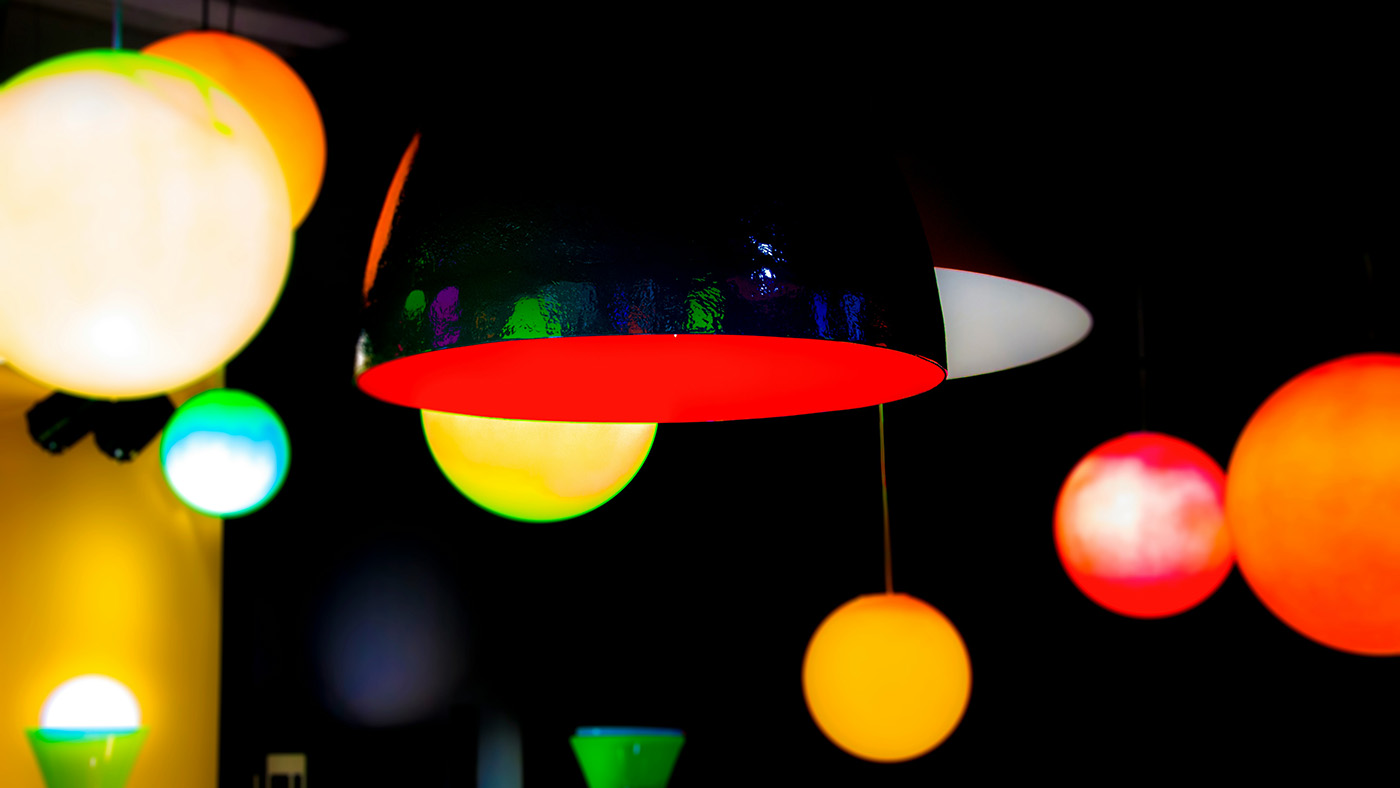
Google’s immersive installations built around light, sound and environment that proved the experience of a hotel or retail space can carry as much weight as what’s inside it.
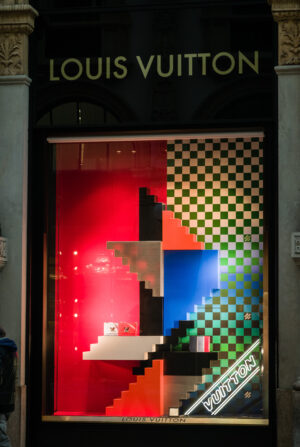
And fashion houses like Louis Vuitton extending into furniture and interiors, signaling a broader move toward treating design not as a category, but as a complete expression of lifestyle.
The thing is, these influences are neither loud nor immediate.
“In residential work, I notice the lag tends to be two to three years, long enough for ideas to travel through the design community, filter into what developers are specifying and what architects are proposing without fully explaining,” Adams said. “In hospitality, it arrives faster because the appetite for differentiation is more urgent, and the resources to act on it are more immediate.”
The difference between the week when all eyes are on Milan and the real world, however, is that what ultimately carries through to the latter isn’t always what garners the most attention during the former.
“The ideas that endure are usually the ones that answer a question people were already living with, even if they hadn’t formed the question consciously yet,” Adams added. “They don’t need to announce themselves. They simply make something clearer—a room more coherent, a material more honest, a space more generous in the way it receives you.”
Those ideas possess a quiet persistence for Adams. They’re something we perhaps encounter three years later in a well-considered hotel or a thoughtfully built home. And they’re felt before they’re seen.
Of course, there’s also those ideas in Milan that won’t make it past the showrooms and installations that line the city for the week.
“What fades tends to be the work that required the energy of the fair to feel significant—the installations built around a concept; the objects that were really position statements,” Adams explained, noting these are often intellectually interesting in the moment and genuinely important to the conversation, but they don’t always survive translation into the ordinary conditions of everyday life.
For Adams, the difference between what hits the States and what stays in Italy is clear.
“The distinction is between ideas that are about design, and ideas that are simply good design,” she said. “Milan produces both every year. The ones that change what people want and spend on are almost always the latter.”