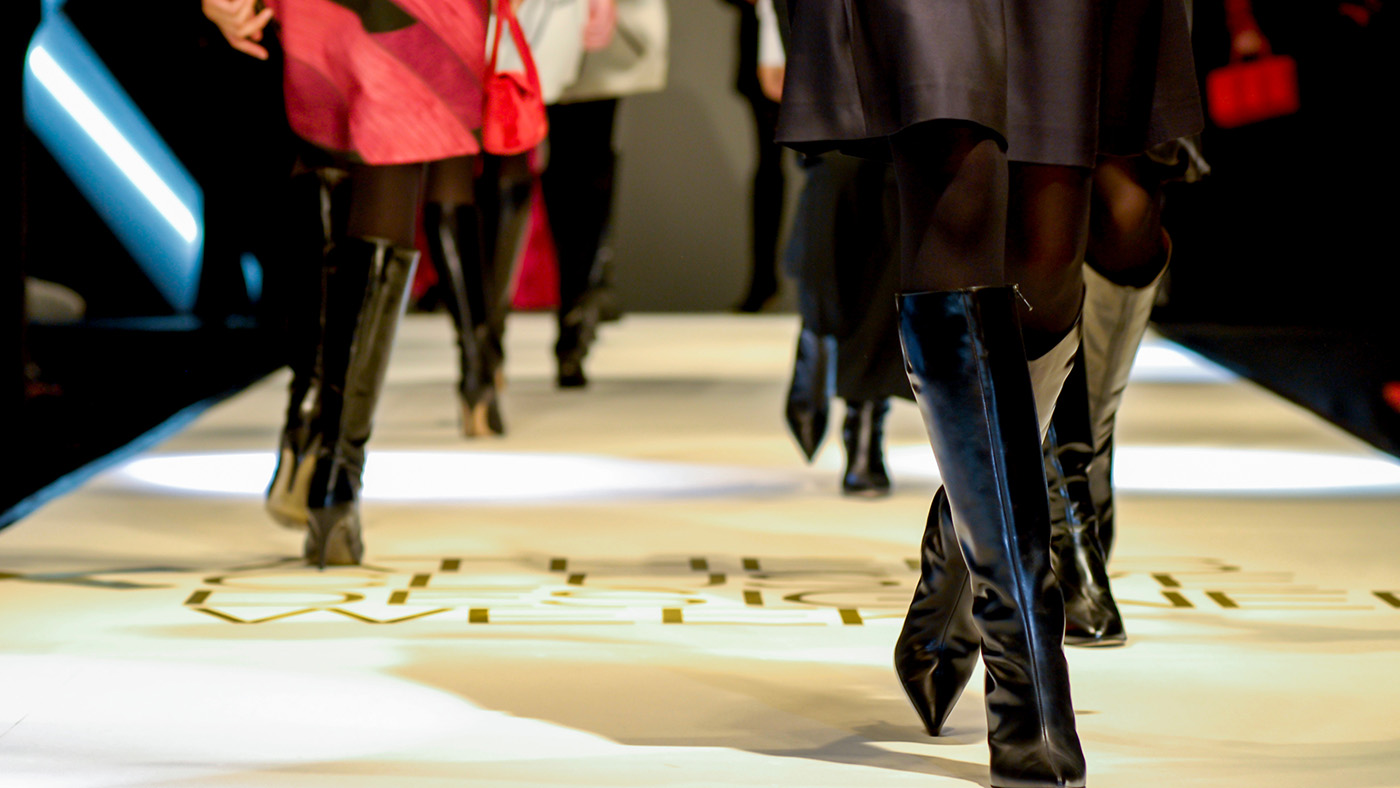
In a week devoted to what comes next, NYFW has spent a surprising amount of this season looking back.
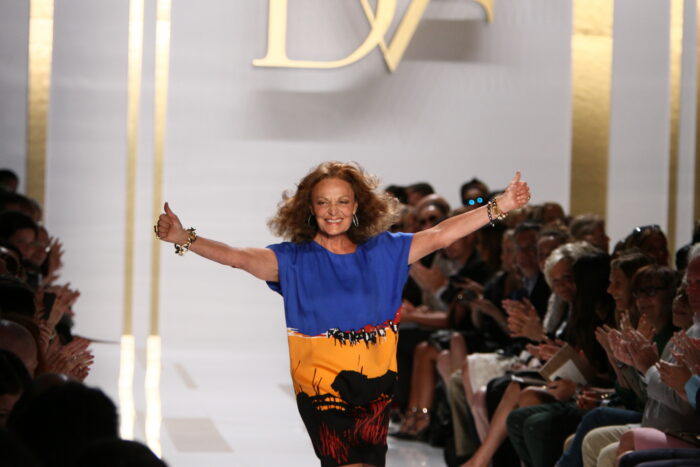
Coach marked 85 years. Diane von Furstenberg returned to the official New York Fashion Week schedule after nearly a decade. Proenza Schouler revived the PS1 bag, which was an “It” bag of another era. The Council of Fashion Designers of America and eBay assembled more than 150 archival pieces of American fashion for an exhibition timed to the week.
Some reached beyond fashion itself, tapping into American art, architecture, family history, subculture and place to inform their Spring 2027 collections.
Rachel Comey devoted her 25th anniversary show to Rosalyn Drexler, the late painter, playwright and one-time professional wrestler she called “such a New York character.” Drexler’s books, artwork and years at the historic Judson Theatre worked their way into the collection.
Anna Sui found inspiration while flipping through a 1972 issue of Vogue. “An American Fantasy,” a feature about an art-filled Southampton, New York, beach house, became the starting point for Spring 2027.
Joseph Altuzarra looked north to the Catskills and Casa Susanna, the midcentury retreat where a group of men gathered to dress as women away from the scrutiny of everyday life. At Lafayette 148, Emily Smith started much closer to home with a quilt her grandmother made from old aprons. It carried her back to childhood road trips through Ohio cornfields and “the heartland, the workwear.”
A New York artist. A Southampton beach house. A Catskills refuge. An Ohio quilt. That’s a lot of America to find its way into one Fashion Week.
All those anniversaries, returns and rediscoveries leave one question hanging over the week: What does American fashion mean now?
It’s a topic Eleanor Lambert faced in 1943 when she created Press Week, the precursor to NYFW, to give U.S. designers an identity and audience outside Paris’ enormous shadow. Fast forward 83 years, and American fashion no longer needs anyone’s permission to occupy the world stage. What matters now is what it chooses to say once it’s in the spotlight.
One hallmark American fashion has long put front and center is utility. After all, clothes are meant to be lived in, not merely looked at.
Trish Wescoat Pound drew on the American sportswear tradition of Claire McCardell and Bonnie Cashin—designers who helped make ease and movement part of the country’s fashion vocabulary—for TWP’s Spring 2027 collection. Wescoat Pound grew up near the Kansas-Oklahoma border before building her career in New York, a mix of usefulness and polish evident in her clothes.
Then there’s Ralph Lauren who has spent decades showing how many different versions of American style can live under one label. His Spring 2027 collection paired ornate fabrics with cargo pants and velvet with faded denim, continuing a careerlong conversation among Western wear, prep, workwear and evening clothes.
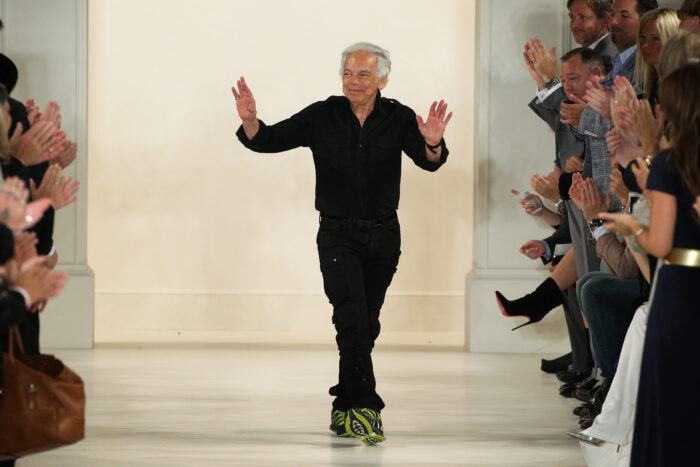
That range may tell us more about American fashion than any single look coming down a runway.
What’s clear is that the American fashion archive is no longer simply a collection of old clothes. It’s art and architecture. Family handwork and hidden communities. Midwest farmland and New York characters. It stretches from the polished mythology of the Hamptons to a Catskills retreat that once offered people somewhere safe to become themselves.
Even the phrase “American fashion archive” is an interesting one. Archives preserve what came before; but fashion has a habit of pulling those relics back into circulation to see what else they can become.
Suddenly, a grandmother’s quilt becomes an ivory and white leather jacket. Photographs from Casa Susanna find new life in full 1950s-style skirts. A 1972 Southampton beach house reappears in pajama-like separates. An “It” bag from another era returns softer, slouchier and ready to be carried again.
It seems fashion has never been particularly good at leaving the past untouched. Nor are American designers especially interested in settling on a single inheritance, judging from this year’s Fashion Week.
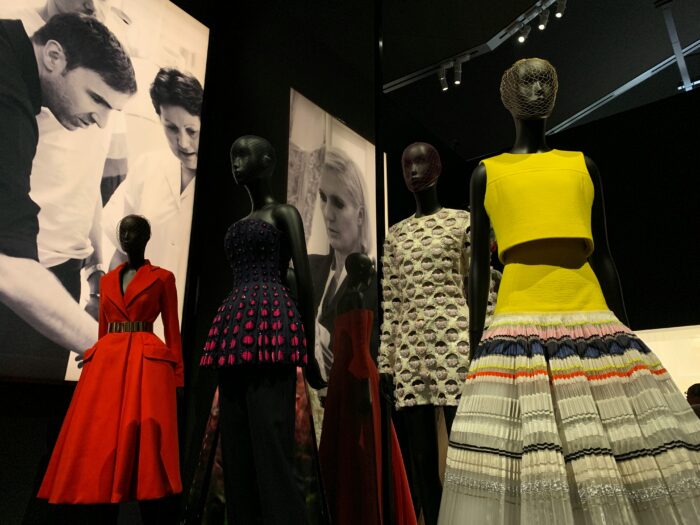
The beauty of America is that there is enough history now to draw from workwear and eveningwear, prep and subculture, family craft and fine art without asking any one of them to represent the whole country— or the whole fashion industry.
Lambert worked toward a day when American fashion could stand on its own. Today, it does, with generations of design, culture and lived experience at its disposal.
This season, NYFW showed how much room there still is on that stage. And how many different versions of America can step onto it.